

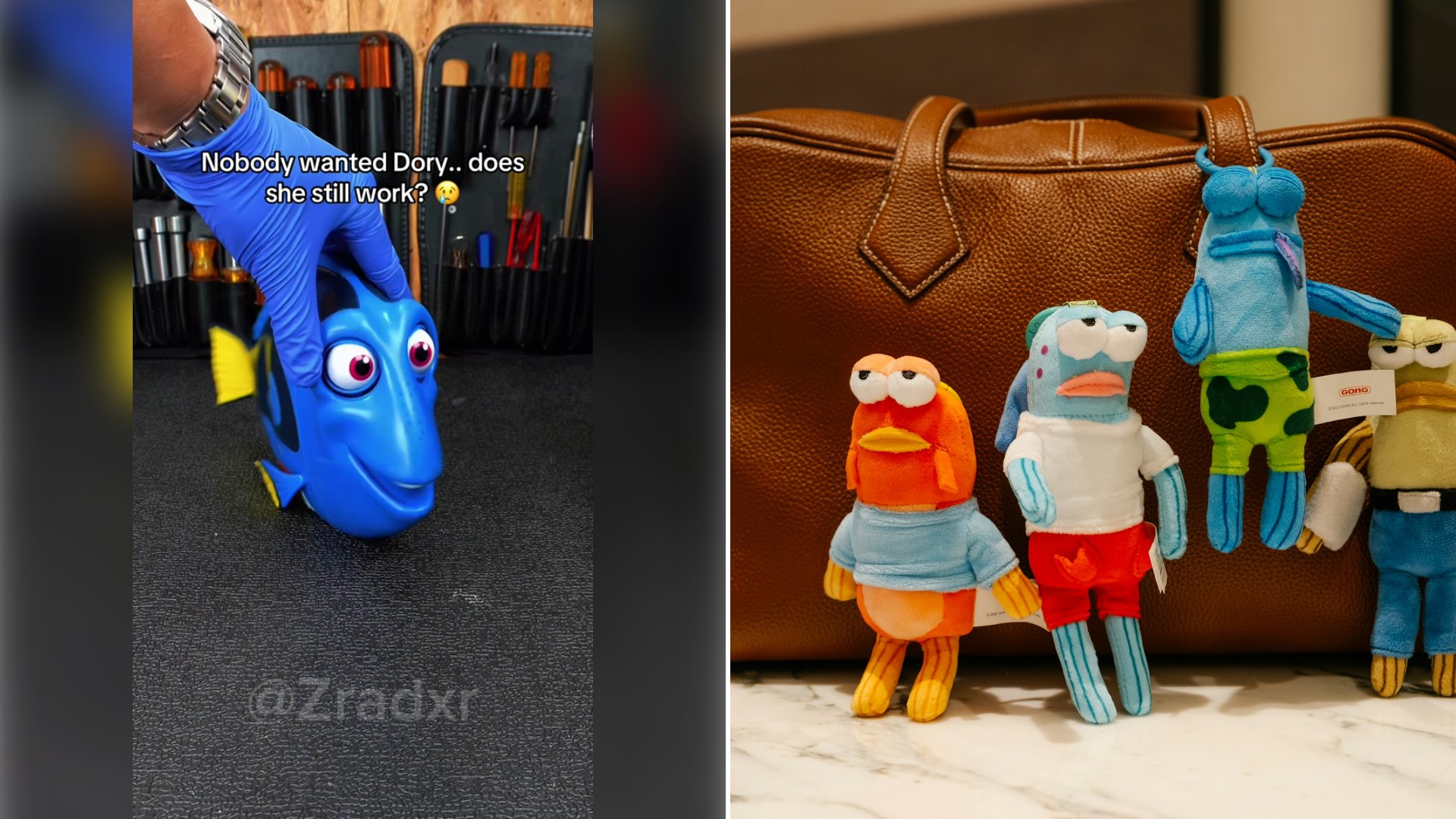
Not every thrift store find needs to be valuable to be worth taking home, and @zradxr proves that in this clip from a routine browsing trip. Coming across a lone Finding Nemo Dory plush sitting by itself on the shelf, the creator simply cannot walk away, adding the forgotten toy to a growing collection of rescued secondhand finds built entirely around giving abandoned toys a second home.
There is a particular genre of thrift store content built entirely around empathy for abandoned objects, and this video is a textbook example of it. Rather than framing the plush as a bargain or a resale opportunity, the entire narrative centers on the emotional pull of seeing something sitting alone and unwanted, a framing that resonates because it mirrors genuine human feelings about neglect and belonging onto an inanimate object in a way that feels disarmingly sincere rather than performative.
Finding Nemo, and Dory specifically following her own 2016 spinoff film, remains one of the most consistently beloved properties across multiple generations of kids, which means plush merchandise tied to the franchise shows up in thrift stores with some regularity but rarely in pristine condition. A well-loved, slightly worn Dory plush landing in a secondhand shop usually tells its own quiet story: a childhood outgrown, a donation made during a move, or simply a toy set aside once its original owner moved on to other interests.
The specific appeal of plush toy rescuing as a documented hobby taps into something slightly different from most other collecting categories. Unlike action figures, comics, or vinyl, plush toys are designed from the outset to be objects of comfort and companionship rather than display pieces, which gives the act of rescuing one from a thrift store shelf an emotional register closer to pet adoption than typical bargain hunting.
This kind of content has flourished specifically on TikTok and Instagram because the format rewards quick, emotionally legible moments, and a single shot of a lonely plush toy on an otherwise empty shelf communicates its entire premise almost instantly without needing lengthy explanation. That efficiency is part of why plush rescue videos have become such a reliable, recurring genre within the broader thrifting content ecosystem.
There is also a practical secondhand economy angle worth noting here. Plush toys, especially licensed characters from beloved films, often sell for only a few dollars at thrift stores despite the significant emotional and nostalgic value they can carry for the right buyer, making them one of the more consistently affordable entry points into collecting for anyone drawn to character merchandise but working with a limited budget.
Whether this particular Dory ends up displayed, gifted, or simply kept as company on a shelf, her rescue captures something genuinely sweet about secondhand shopping: the quiet decision to notice something easy to overlook and give it a place to belong again, one thrift store visit at a time.

Leave a Reply