

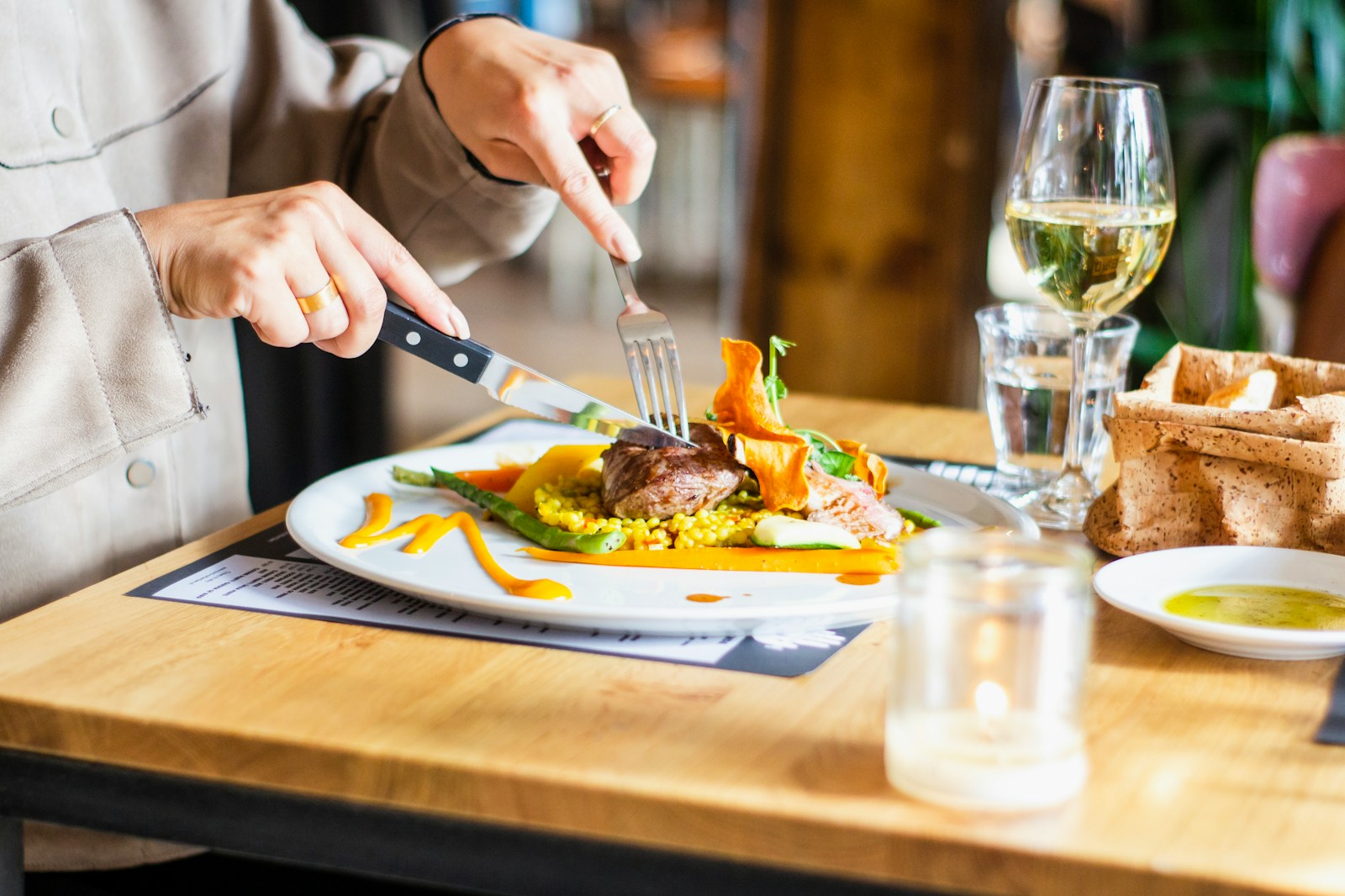
Working in the upscale restaurant industry should be an exhilarating experience, one filled with the excitement of culinary artistry and customer satisfaction. However, for one server, the reality of serving in a “fine dining” establishment has become an exercise in frustration, with coworkers treating their roles as if they were in a casual dining joint. This stark contrast raises eyebrows and questions about the industry’s standards and expectations.
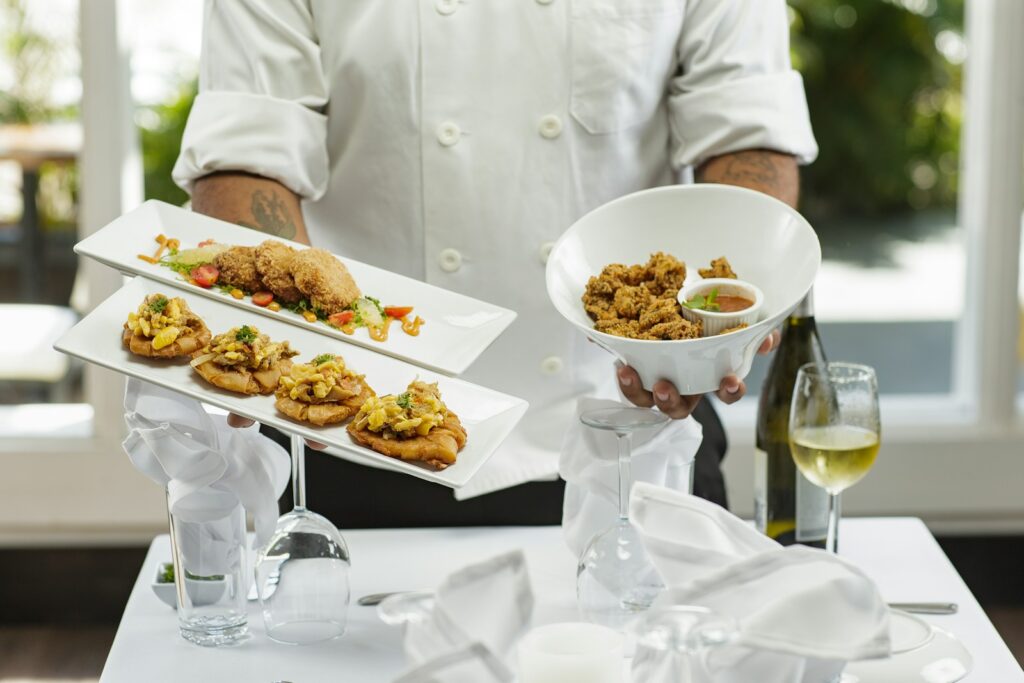
The server, who shared their experience on Reddit, expressed profound dissatisfaction with the attitudes and work ethic of fellow employees. “Our food runners and backwaiters aren’t great either,” they lamented, “I don’t even know where to begin with how bad they are at their job and how little they respect the establishment and the customers.” In a setting where diners can expect to spend over $100 per person before drinks, the stakes are high. Yet, the notion of fine dining seems lost on the team.
According to this server, the potential earnings are significant. Regularly, servers can clear upwards of $400 a night, and during busy periods, that figure can soar to $700 or $800. Yet, this financial incentive doesn’t appear to translate into a commitment to customer service and the overall dining experience. “It’s so irritating how we can be making so much and yet they care so little about the actual customer experience,” they wrote. The disconnect between high earnings and low standards raises serious concerns about professional integrity in the industry.
The server notes that the management often touts the restaurant as a fine dining establishment, but the actions of the staff suggest otherwise. “The managers like to say we’re fine dining to customers but they don’t lead by example,” they added, pointing out that a top-down approach to service seems to be lacking. In many fine dining venues, management plays an essential role in setting the tone for service quality, ensuring that everyone understands the expectations and standards necessary for delivering an exceptional dining experience.
The crux of the issue, as identified by this server, lies in the pervasive misunderstanding of what fine dining truly means. “Most of the FOH doesn’t even know what fine dining means,” they observed, highlighting a critical gap in training and education that contributes to a casual atmosphere in a space that demands elegance and professionalism. Without the proper guidance, servers may feel less motivated to elevate their service to match the elevated expectations of fine dining.
This situation is not unique to this particular restaurant; it mirrors a broader trend in the food service industry where the distinction between fine dining and casual dining has begun to blur. Many establishments that market themselves as fine dining often fail to deliver the accompanying level of service, professionalism, and attention to detail that patrons expect when paying a premium for their meals.
As dining out becomes more prevalent, the expectations of consumers are shifting, making it more important than ever for restaurants to uphold their promises. Patrons are looking for not only exceptional food but also an overall experience that leaves a lasting impression. When servers treat their roles casually, it undermines the very essence of fine dining and diminishes the guest experience.
The frustrations of this server resonate with many who have spent time in the industry, where the disparity between earnings and service quality often leads to disillusionment. While the potential to earn a livable wage or more exists, it does not absolve employees of the responsibilities that come with working in an establishment that prides itself on delivering a high-caliber dining experience. It’s a delicate balance that requires both personal investment and professional development.
In the age of social media and online reviews, word of mouth can make or break a restaurant. A single poor service experience can lead to unfavorable reviews, impacting not only the reputation of the establishment but also the livelihoods of the staff. This reality adds urgency to the need for change within the industry, prompting an essential conversation about expectations, training, and accountability in fine dining.
As this server’s experience highlights, if coworkers and management do not align on the standards of fine dining, the reputation of the restaurant and the satisfaction of its guests hang in the balance. While it can be challenging to motivate a disengaged team, fostering a culture of pride and professionalism is crucial for those wishing to succeed in the competitive restaurant landscape.
More from Vinyl and Velvet:

Leave a Reply