

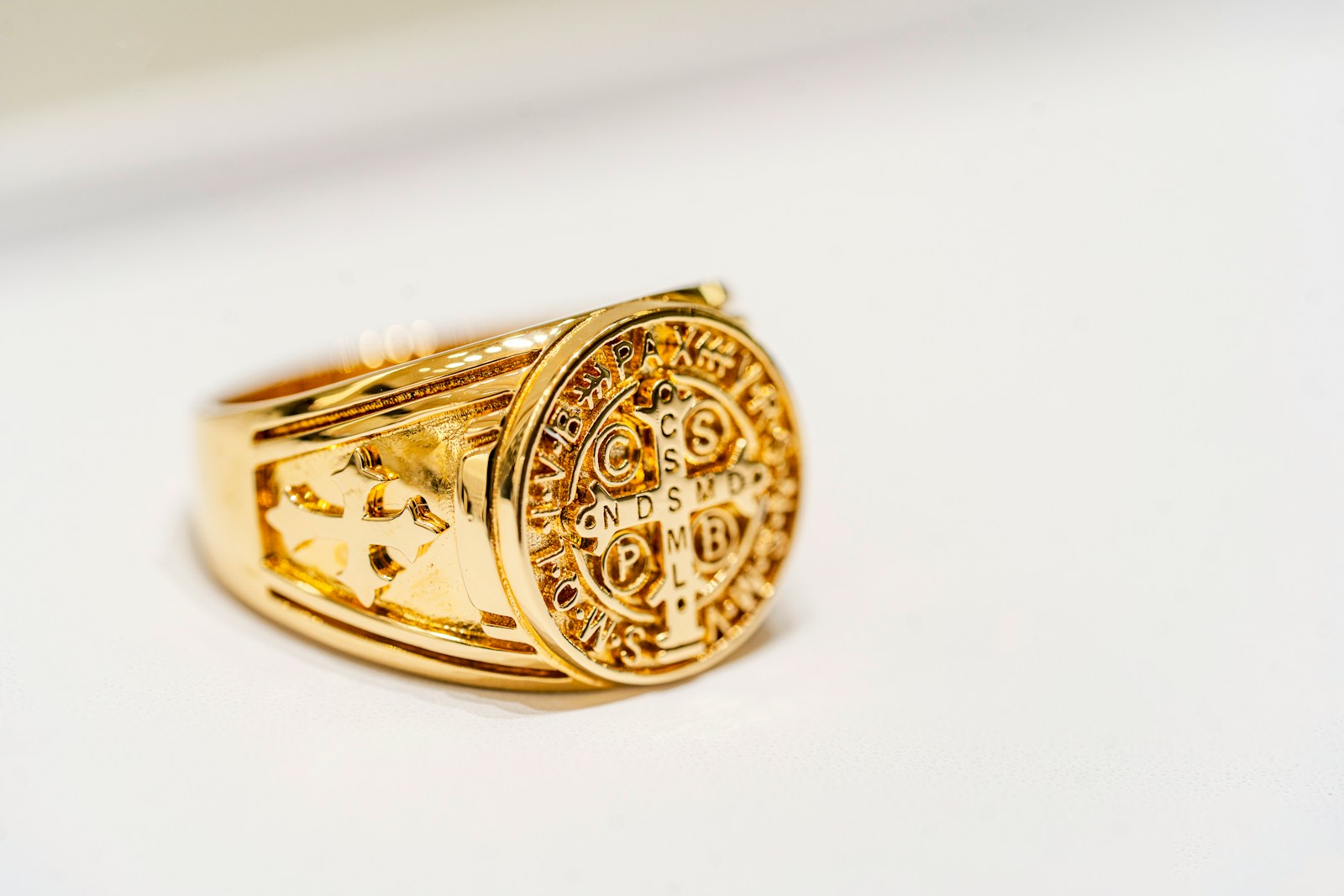
It started as an unassuming moment, but it quickly turned into the kind of clip that stops people mid-scroll: a new video from @timothywilliamvintagegold on Instagram.
In the clip, a creator cleans a tarnished, inexpensive-looking ring they purchased from an estate sale to reveal its beauty. It is a simple premise, but it is exactly the kind of everyday moment that makes this corner of the internet so addictive to watch — real people, real finds, and real reactions, with no script beyond what actually happened.
The creator captioned the post simply, “Passed over at the estate sale and dumped into a melt lot. I bought it for under scrap value. Sterli…,” a line that gives a small window into how they were feeling as the moment unfolded. Whether it reads as excitement, disbelief, or a bit of dry humor, that caption has clearly struck a chord with viewers.
Since it went up on Instagram, the video has since pulled in 1.6M views, with comment sections filling up with viewers sharing their own memories, reactions, and questions about what exactly happened next. It is the kind of engagement that speaks to how universally relatable this sort of discovery can feel, even for people who have never picked up a similar item themselves.
Part of what makes the video work is that it does not try to be more than it is. @timothywilliamvintagegold simply shows what happened, lets the moment breathe, and trusts the audience to feel the same spark of curiosity and surprise that clearly came through in the filming. That straightforwardness is a big part of why this kind of content travels so well — there is no need for elaborate production when the discovery itself is compelling.
There is also something to be said for the timing of a video like this one. Viewers scrolling through their feeds tend to gravitate toward moments that feel unscripted and a little bit surprising, and this clip delivers exactly that in the span of a few seconds. It is easy to imagine why the comment section quickly filled up with people tagging friends, sharing similar stories of their own, or simply reacting to the moment as it unfolded on screen. That kind of organic sharing is often what separates a video that quietly comes and goes from one that keeps circulating long after it was first posted.
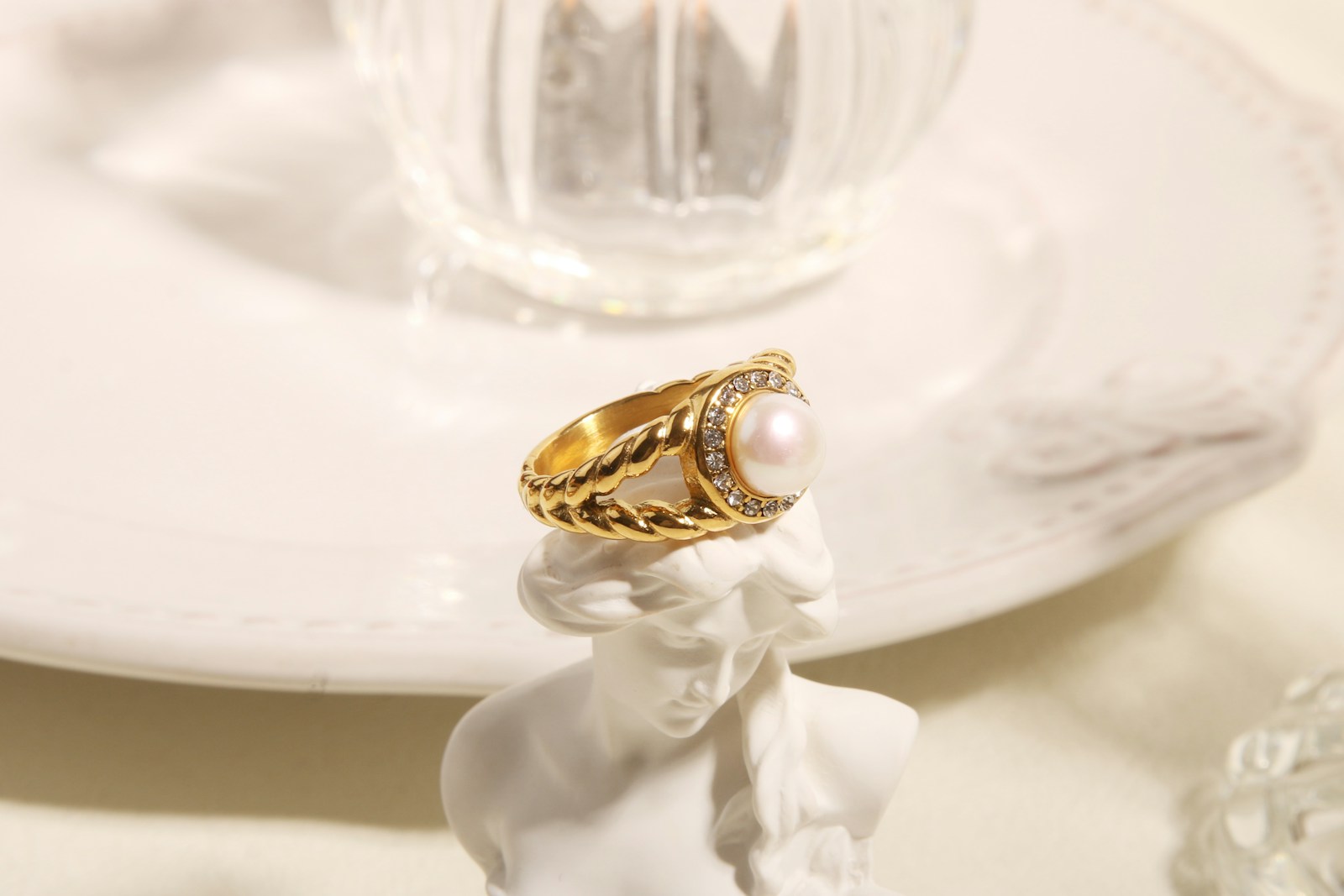
For an account with 6.2K followers, a response like this is a reminder of how quickly a single relatable moment can travel well beyond a creator’s usual audience. It also speaks to a broader appetite among viewers right now for content that feels grounded in everyday life rather than heavily produced or staged — the kind of video that could, in theory, happen to anyone, which is exactly what makes it worth watching in the first place. Algorithms tend to reward exactly this sort of authenticity, pushing a clip well past a creator’s usual reach once enough viewers stop, watch to the end, and choose to comment or share, and that snowball effect appears to be part of what happened here.
Watching the clip in full, it is easy to see why it resonated so widely. There is no narration overload, no forced drama — just the moment itself, a creator cleans a tarnished, inexpensive-looking ring they purchased from an estate sale to reveal its beauty, presented in a way that lets it speak for itself. That kind of restraint is rarer than it sounds in a feed full of content competing for attention, and it may be exactly why so many viewers stuck around long enough to watch the whole thing, comment, and pass it along to someone else who they knew would appreciate it too.
What Makes Old Jewelry Worth a Second Look
Estate sales and melt lots are full of pieces that look, at first glance, like nothing special — tarnished, scratched, or simply unfashionable by today’s standards. That is exactly why seasoned pickers take the time to examine anything metal before writing it off. A quick polish or soak can reveal hallmarks, stamps, or maker’s marks that indicate sterling silver, gold fill, or a specific era of design, all of which can matter enormously to a piece’s actual worth. Jewelry that gets lumped into a ‘melt lot’ is often priced by weight alone, with no regard for craftsmanship, stone quality, or collectibility, which is exactly the gap that patient buyers hope to exploit. If you want to try this yourself, a jeweler’s loupe, a simple acid test kit, and a willingness to research maker’s marks online can go a long way before you ever pay for a professional appraisal. It is worth remembering that tarnish is often just surface oxidation and does not necessarily reflect the quality of what is underneath — a little cleaning can turn something that looks like costume jewelry into a genuine treasure. At the same time, buyers should be cautious about assuming any single find is representative; for every underpriced gem, there are many pieces that really are just what they appear to be. Anyone drawn to this kind of hunting should treat it as a hobby rooted in curiosity first, with any profit as a pleasant bonus rather than a guarantee.
You can watch the full video and follow @timothywilliamvintagegold on Instagram for more.

Leave a Reply