

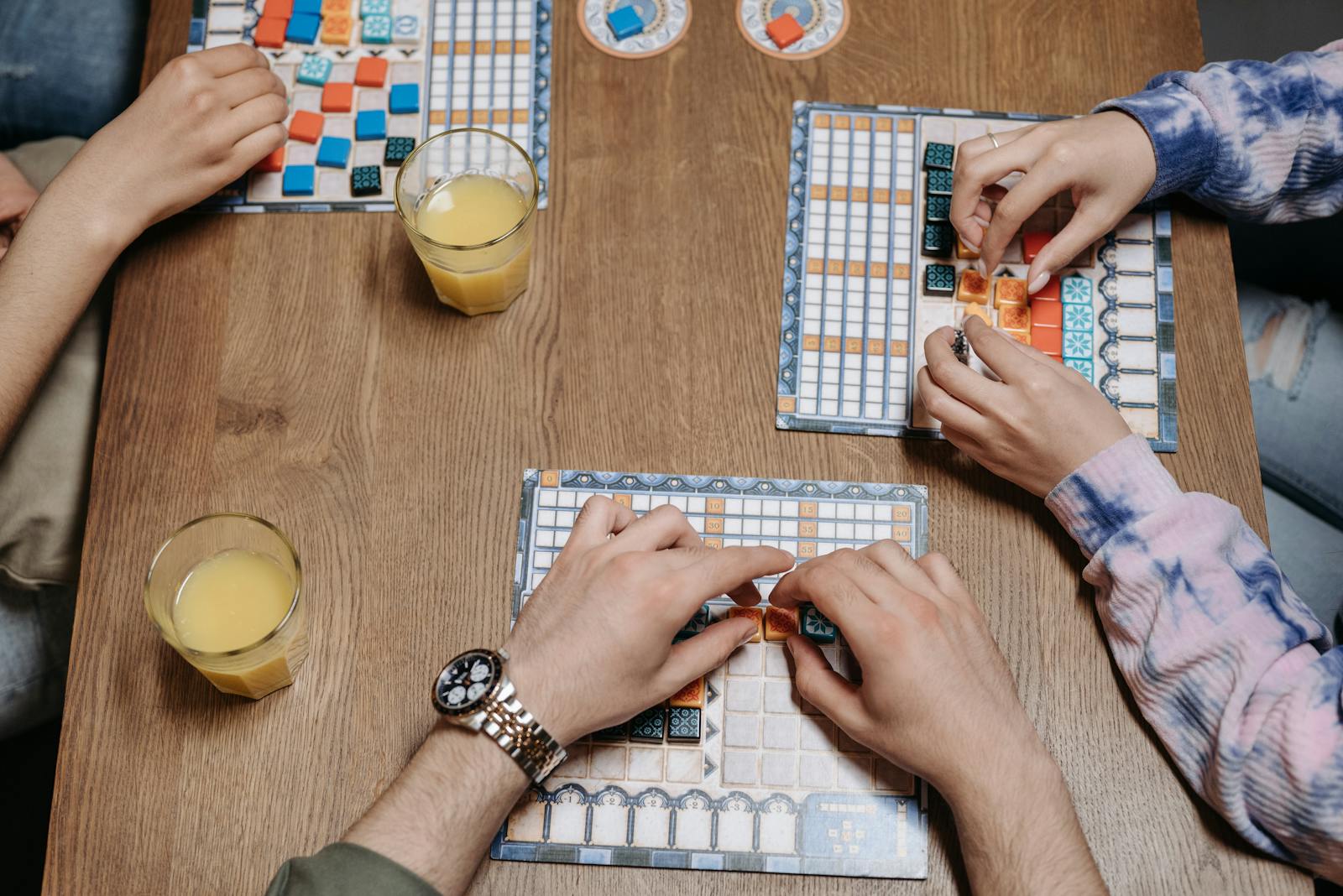
In relationships, seemingly trivial matters can sometimes evoke powerful emotions. A recent post on Reddit highlights this notion perfectly. A 28-year-old man, who has been in a committed relationship with his girlfriend for the past decade, is grappling with feelings of insecurity stemming from his girlfriend’s gaming habits. While this concern revolves around board games, it opens a window into deeper relational dynamics that many might relate to.
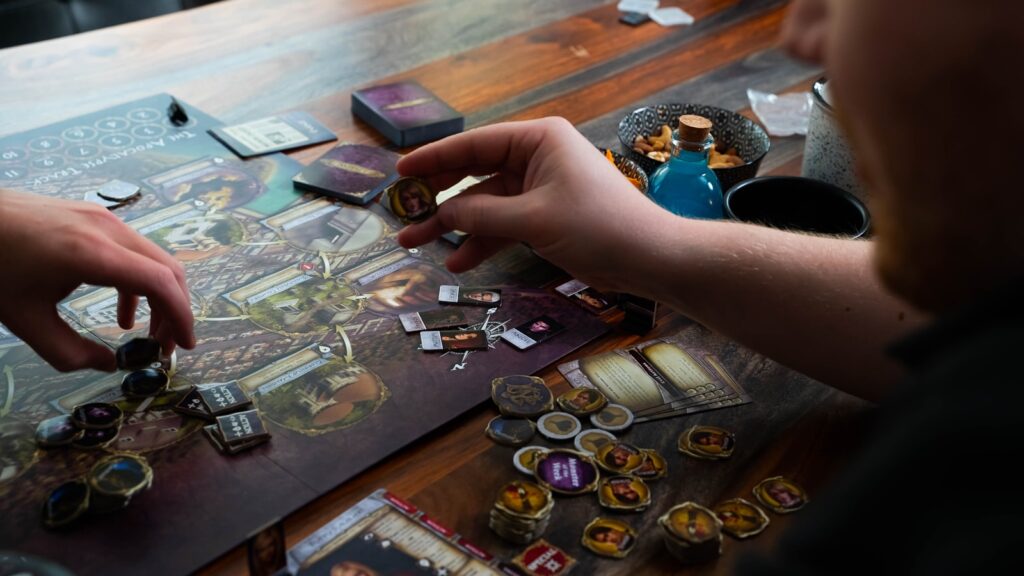
Every week, the couple joins two of their male friends for a night of fun, laughter, and, of course, competitive board games. However, the poster has noticed a recurring pattern: his girlfriend consistently teams up with one specific male friend, whom we’ll refer to as ‘X’. This is not merely casual collaboration; it’s a strategic alliance that seems to undermine the spirit of friendly competition.
During a recent game, the poster observed his girlfriend actively facilitating X’s victory instead of competing against him. When he called her out on it, she responded, “If X wins, it’s like I win as well.” This statement struck a chord, igniting doubts about her loyalty and their partnership dynamics. The poster felt sidelined, not just in the game but in the relationship itself.
The couple had been enjoying playful banter about their board game nights, yet the repeated teaming up made him feel insecure and unwanted. Previously, he had dealt with feelings of not being desired by her, and this new dynamic stirred those insecurities once more. His concern deepened as he noticed the level of intimacy between X and his girlfriend; she shared things with him that she hadn’t even confided in her boyfriend. While he expressed happiness for her friendships, he couldn’t shake off the feeling of being replaced or overlooked.
This situation illuminates the complexities of relationships, particularly the vulnerabilities that surface from seemingly innocent activities. The poster wrestled with the idea of his feelings being “silly” given that they revolve around board games. However, many readers can empathize with the idea that small issues can symbolize larger relational struggles. The problem isn’t just about board games; it’s about validation, desire, and the importance of feeling prioritized in a relationship.
After the games ended, the poster attempted to address the issue with his girlfriend, suggesting that their gaming dynamics might benefit from some variety. However, when confronted, both she and X denied maintaining a partnership and insisted their strategies were simply tactics. This defensive response left the poster feeling frustrated and isolated, as he perceived a reality that his girlfriend did not acknowledge.
The emotions that arose from this situation reflect a universal truth: relationships entail navigating through choppy waters of communication and understanding. The man’s feelings—though sparked by a board game—are deeply rooted in a desire for connection and reassurance. He struggles with how to voice his concerns without seeming petty or childish, hoping to bridge the gap between his insecurities and his girlfriend’s perspective.
Despite the playful nature of board games, this man’s experience encapsulates the broader themes of trust, partnership, and validation in romantic relationships. How does one communicate discomfort about a seemingly trivial subject without it becoming an argument? It’s a question many couples face. For him, it’s vital to discuss his feelings openly, perhaps during a time that is lighthearted and free from the pressures of competition.
As he navigates these feelings, it’s essential for him to remember that relationships thrive on communication. His insecurity might not stem solely from the board games; it might be a reflection of deeper issues regarding intimacy and feelings of connection. By engaging in an open dialogue with his girlfriend, he can illuminate his feelings and potentially understand her perspective better. This might also foster a sense of unity between them, allowing both partners to ensure that everyone feels valued and prioritized.
Ultimately, while the concern revolves around a game, it speaks to the larger theme of relationships—where even the smallest issues can reflect significant emotions. As they navigate this board-game dilemma, this couple has an opportunity to reinforce their bond and address insecurities that could otherwise undermine their long-standing relationship.
More from Vinyl and Velvet:

Leave a Reply