

In communities across America, the juggling act of parking can often lead to tension between neighbors, especially when one household seems to dominate the curb space. This was the case for one homeowner who found an unconventional yet effective method to reclaim his street space. Living in a small neighborhood with his wife and young children, he faced a frustrating reality where his neighbors treated the public curb in front of his home as an extension of their driveway.
With three vehicles of their own, his family found themselves constantly vying for limited curb space against their neighbors, who boasted an impressive seven vehicles. These large gatherings often culminated in loud parties, music blasting late into the night, and the incessant noise of idling engines and slamming doors. The situation was particularly challenging for a family with young children, who struggled to nap or sleep through the raucous disturbances. Despite the noise and the lack of respect shown by the neighbors, the homeowner felt helpless; after all, it was public parking, and he lacked any real recourse.
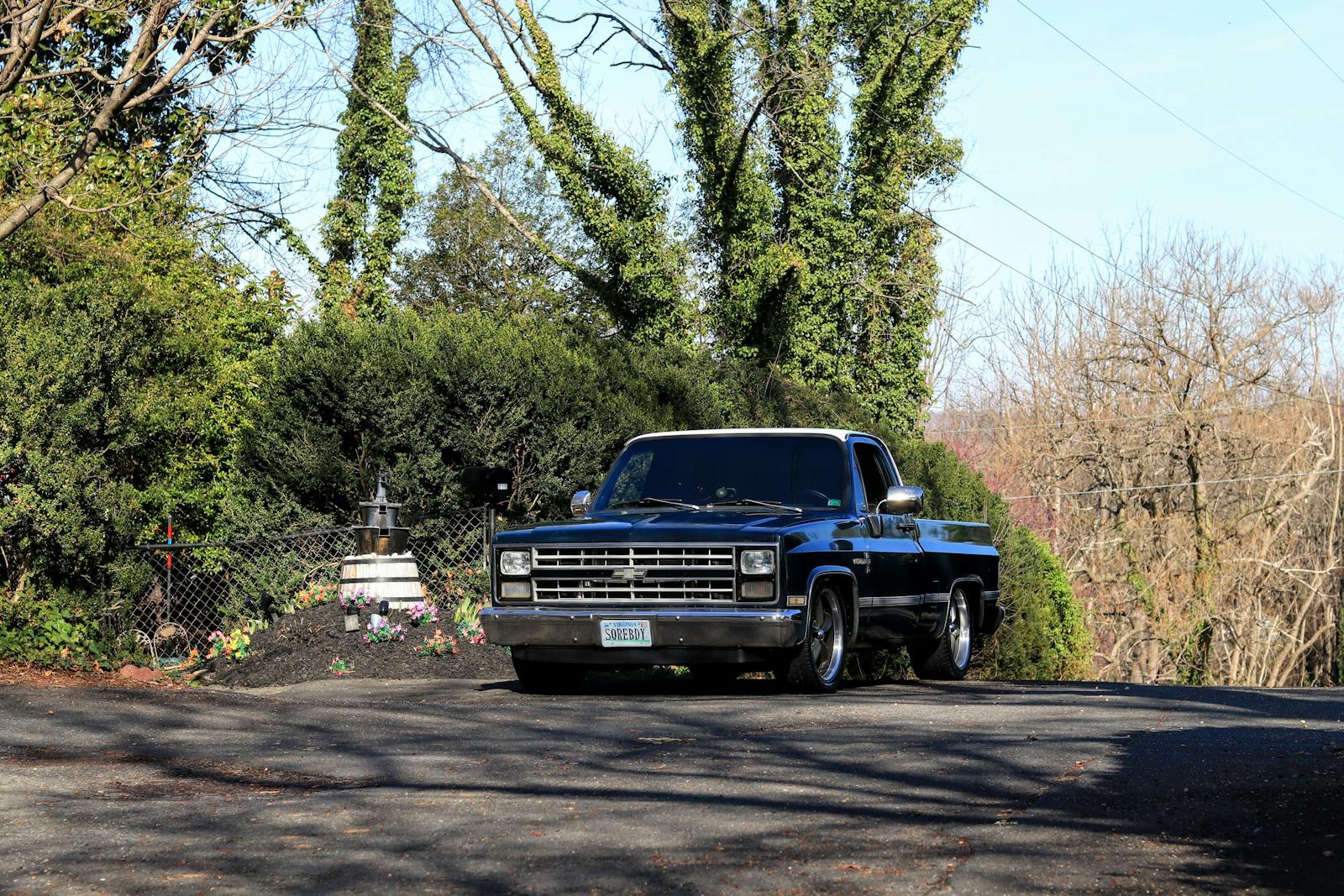
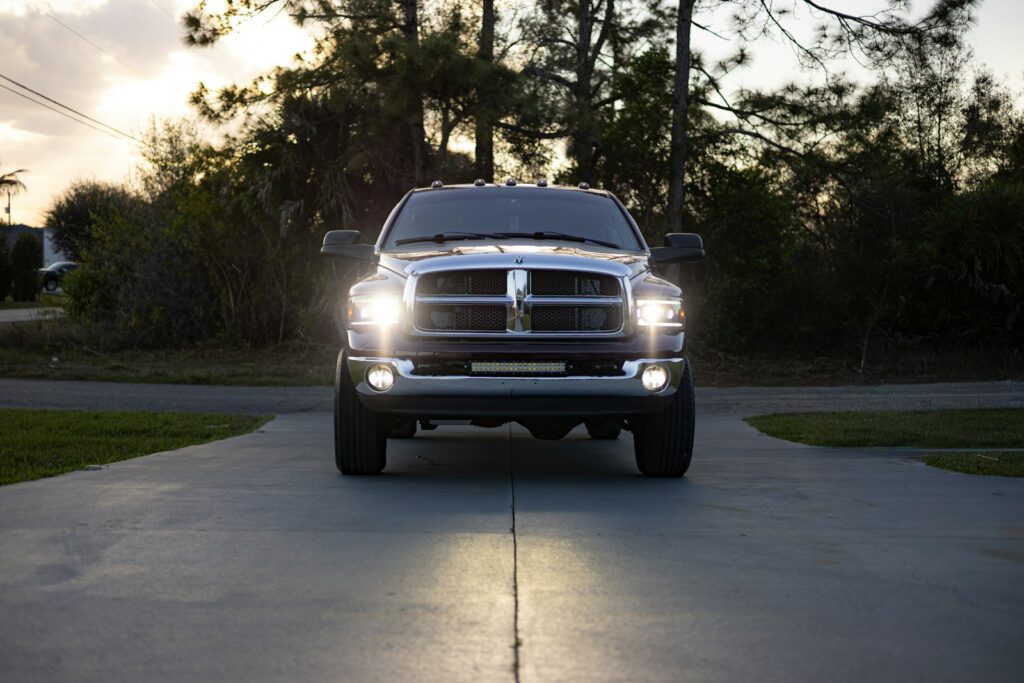
Frustrated but determined, the homeowner decided to take matters into his own hands. One day, he had a lightbulb moment. An F250 truck parked directly in front of his house would undoubtedly take up a significant amount of space and deter the neighbors from parking in front of his home. With that thought, he moved his truck from the driveway into the street, stopping just at the property line to maximize the space his vehicle occupied while still allowing for a tiny sliver of room for the neighbors’ motorcycles—if they happened to own any, which they did not.
Initially, he maintained this strategic parking for two weeks, watching keenly as the neighbors continued their disruptive behavior, also encroaching upon other neighbors’ spaces. After a fortnight of occupying the street, he decided to inch the truck back a few feet, creating just enough room for one car in front of his house. Little did he know that this minor adjustment would lead to a major shift in neighborhood dynamics.
Fast forward two years, and the truck remains parked in front of his house, serving not only as a deterrent but also as a symbol of respect—or rather, the lack thereof—between neighbors. With the truck there, the neighbors seemed to show newfound appreciation for the single parking spot he was “allowing” them to use. The dynamic of the neighborhood shifted as the truck effectively reclaimed the curb space and minimized the chaos that had previously disrupted the homeowner’s family life.
This story resonates with many homeowners who encounter similar issues in their neighborhoods. While direct confrontations can often lead to escalating tensions, this homeowner found a peaceful, albeit bold, resolution to his dilemma. By simply occupying the curb with his truck, he was able to assert a boundary and change the behavior of those around him without having to engage in conflict.
The responses to this homeowner’s creative solution echo a unanimous sentiment. Many commenters supported his decision, emphasizing that sometimes neighbors need a direct approach to recognize the boundaries of shared spaces. “Good move! People like this need a direct approach or they take advantage of everyone else,” wrote one commenter, highlighting the importance of standing firm against overreach. Another chimed in, “That doesn’t seem petty at all. That sounds like a perfect solution to the problem.” Even those questioning the logistics of maintaining the open parking spot while also using the massive truck found the ingenuity of the solution commendable.
Ultimately, this homeowner’s experience serves as a testament to the subtle art of neighborhood diplomacy. By finding a way to reclaim their space without confrontation, he has not only improved his family’s quality of life but has also transformed the parking landscape in an area where space is at a premium. Whether through a massive truck or another innovative solution, homeowners facing similar challenges can find inspiration in his story.
More from Vinyl and Velvet:

Leave a Reply