

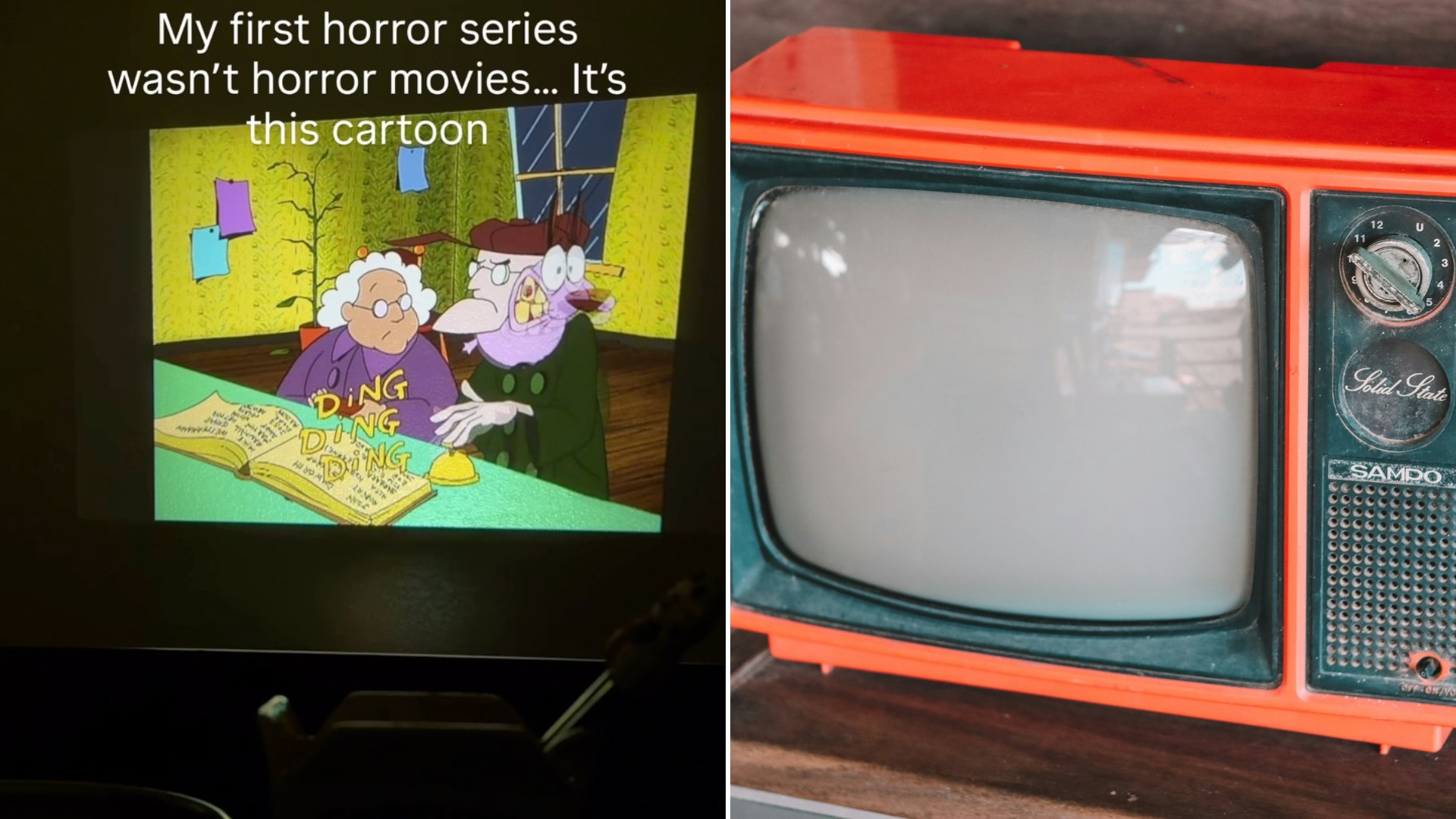
Some childhood cartoons left a far deeper psychological imprint than their silly premises ever let on, and creator @hesa_diaries explores exactly that phenomenon in a recent Instagram reel reflecting on how “Courage the Cowardly Dog” quietly functioned as her generation’s first real brush with horror storytelling. What looked, on the surface, like a goofy cartoon about a nervous pink dog turns out, on reflection, to have delivered genuinely unsettling content to an audience of unsuspecting kids.
“Courage the Cowardly Dog,” which aired on Cartoon Network from 1999 through 2002, has developed an increasingly prominent reputation in retrospective discussions as one of the most genuinely frightening pieces of children’s television ever produced, despite airing during a relatively mainstream afternoon cartoon block. Creator John R. Dilworth crafted episodes featuring body horror, cosmic dread, and genuinely disturbing visual design that pushed considerably further into horror territory than most children’s programming of its era, or arguably since, has ever dared to venture.
What makes this kind of generational reflection so compelling is the specific gap between how a piece of media is experienced in childhood versus how it reads upon adult reconsideration. Many kids who watched Courage at the time simply absorbed its unsettling imagery and tone as a normal, if intense, part of their cartoon viewing diet, without necessarily processing just how genuinely disturbing specific episodes actually were by any objective standard of children’s entertainment. Revisiting the show as an adult often produces a startling realization: this was, in retrospect, actual horror content marketed to and consumed by small children.
This phenomenon of recognizing unexpectedly dark content in beloved childhood media has become a genuinely popular genre of nostalgic reflection across social media, as millennial and older Gen Z audiences revisit the cartoons and media of their youth with more critical, mature eyes. Shows like Courage, along with other similarly dark animated programming from the late 1990s and early 2000s, occupy a fascinating cultural moment when children’s television standards allowed for considerably more intense content than would likely be approved for a similar demographic today.
There’s also something genuinely valuable in this kind of retrospective media analysis beyond pure nostalgia, since it invites real critical engagement with how children’s entertainment has evolved, what standards governed content approval during different eras, and how a specific generation’s media diet may have shaped their relationship with fear, suspense, and horror storytelling more broadly than they might have initially recognized. For many viewers, Courage genuinely did function as an unintentional gateway into horror as a genre, introducing core horror storytelling techniques and atmospheric dread years before they might have otherwise encountered more conventional horror media.
The show’s distinctive visual style also deserves specific credit for its effectiveness as horror, employing deliberately unsettling character designs, unconventional camera angles, and a genuinely eerie sound design that created atmosphere and dread far beyond what its relatively simple animation budget might suggest. This resourceful, atmosphere-driven approach to horror — relying on tone and craft rather than graphic content — has earned the show genuine critical reassessment and respect among animation historians and horror enthusiasts alike.
This kind of content also reflects a broader cultural shift toward taking children’s media more seriously as a legitimate subject of critical and nostalgic analysis, rather than dismissing it as disposable entertainment unworthy of deeper consideration. Cartoons that shaped an entire generation’s early media consumption deserve genuine critical engagement, and reflections like this one contribute meaningfully to a growing body of thoughtful retrospective analysis of animation history.
It’s also worth noting how this kind of nostalgic reflection creates genuine community among viewers who shared the exact same formative, if unsettling, childhood media experience. Comment sections on content like this one often fill with specific episode references and shared memories of exactly which moments scared viewers the most, creating a genuine sense of collective generational experience around a show that many people assumed, until this kind of retrospective content, they had experienced somewhat uniquely or privately.
Ultimately, @hesa_diaries’s reflection succeeds because it takes childhood media seriously as a genuine shaping influence worth examining critically, rather than dismissing it as simple nostalgic ephemera. In recognizing Courage the Cowardly Dog’s quiet role as an entire generation’s unofficial introduction to horror, the video offers a genuinely thoughtful piece of cultural analysis dressed in the familiar, comfortable language of childhood nostalgia.

Leave a Reply