

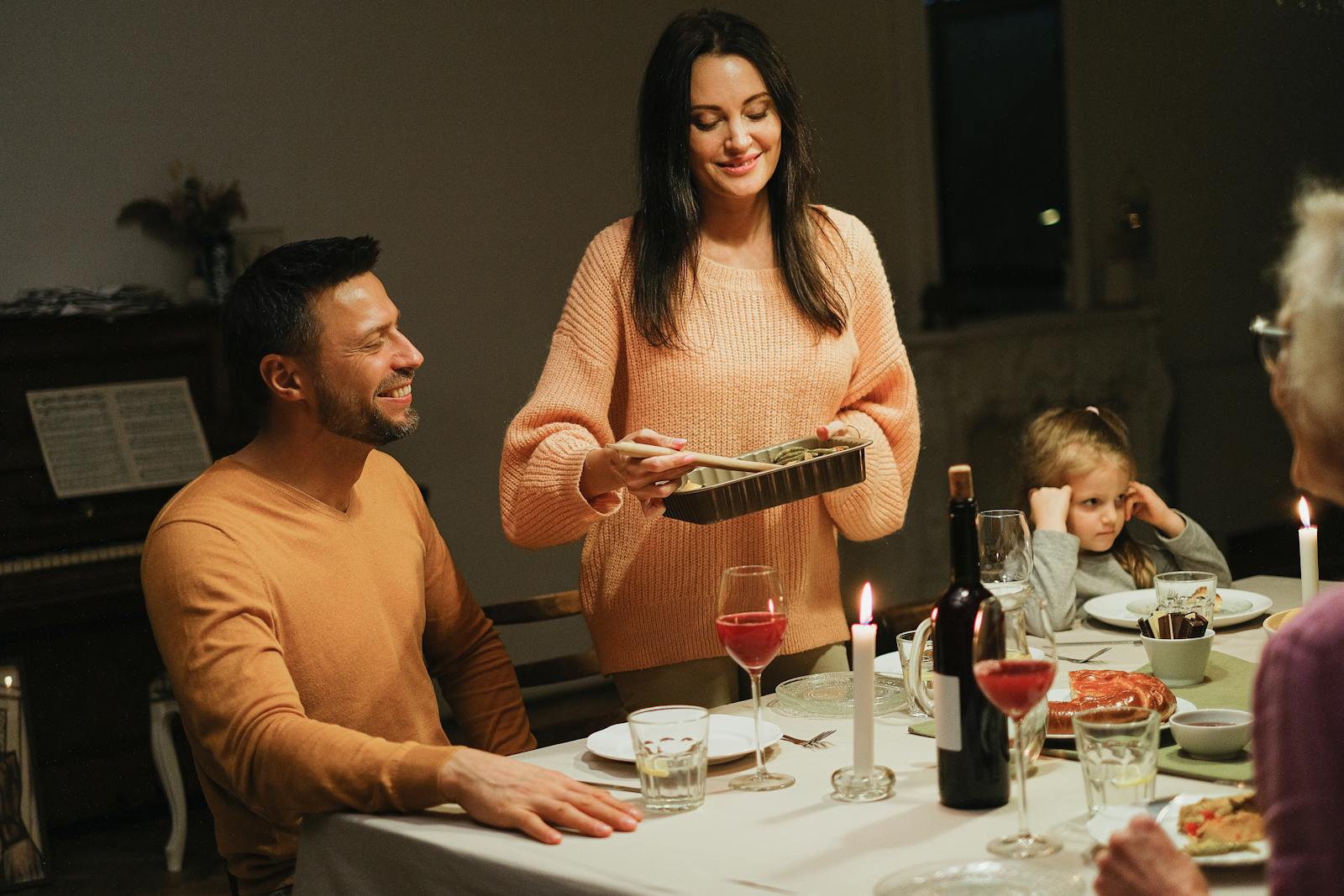
This past festive season, a couple faced a conundrum that many families can relate to: the complexities of holiday gatherings, especially when illness is in the air. A 32-year-old man, his 31-year-old wife, and their ten-month-old son were excited to join a Christmas get-together hosted by his younger sister. However, the joy of the holiday was quickly overshadowed by the unexpected presence of a sick family member.

The couple arrived at their sister’s boyfriend’s home, expecting a warm and intimate family gathering. However, upon entering the house, they were greeted by a crowd that far exceeded their expectations. With around 12 to 15 unfamiliar faces in attendance, the couple quickly realized that the cozy family affair was more of a tightly packed event, leaving little room for comfort.
As their small family took in the scene, their hearts sank further as they noticed their five-year-old nephew showing clear signs of illness. Despite their brother and sister-in-law’s insistence that it was merely acid reflux, the couple was not convinced. With a trained medical professional among them, the wife identified symptoms that suggested something far more significant. The child exhibited not just discomfort, but also fever and exhaustion, alarming indicators for parents of an infant.
With RSV season in full swing, the couple was rightfully concerned for their son’s health. Respiratory Syncytial Virus (RSV) can be dangerous for infants and poses serious health risks, particularly in crowded environments where germs can easily spread. Their worries were compounded by the knowledge that their own son had recently overcome a nasty cold, leaving them especially cautious.
After weighing their options and wanting to prioritize their son’s well-being, the couple made the difficult decision to leave the gathering after just an hour. They communicated their concerns to their sister and her boyfriend, as well as to their mother. Their departure was not simply based on discomfort, but on a firm boundary they held regarding illness transparency at family events.
In their view, families should communicate openly about health issues, especially when children are involved. The couple felt that they had done the right thing by prioritizing their son’s health, even if it meant walking away from what should have been a joyful holiday celebration. However, the fallout from their decision was significant. Their sister and mother appeared upset, with their sister even ignoring future attempts to reschedule family gatherings.
This situation sheds light on a common struggle: balancing family obligations with personal health and safety. For many, the holidays bring the pressure of familial expectations and the desire to connect with loved ones, but when health risks come into play, these expectations can clash dramatically. The couple found themselves at a crossroads, faced with the challenge of maintaining family ties while also safeguarding their child.
Though the couple’s intentions were rooted in care and caution, the emotional toll of their decision resonated beyond the moment. The ripple effects of choosing a child’s health over familial expectations can lead to misunderstandings and strained relationships, particularly in a close-knit family. The dynamic of family gatherings can be complex, especially when illness is involved, raising questions about how best to navigate these situations without causing offense.
As they reflect on the day, the couple grapples with their decision. Were they justified in leaving the gathering? Or did their actions inadvertently create a rift within the family? These questions linger amidst the holiday cheer that quickly turned into a source of contention.
In the end, every family has its unique dynamics and challenges, particularly around the holidays. The balance between health, safety, and maintaining relationships can be delicate, leaving families to navigate these waters as carefully as possible. As the couple moves forward, they hope to mend any misunderstandings and find a way to bring everyone together—safely, of course.
More from Vinyl and Velvet:

Leave a Reply