

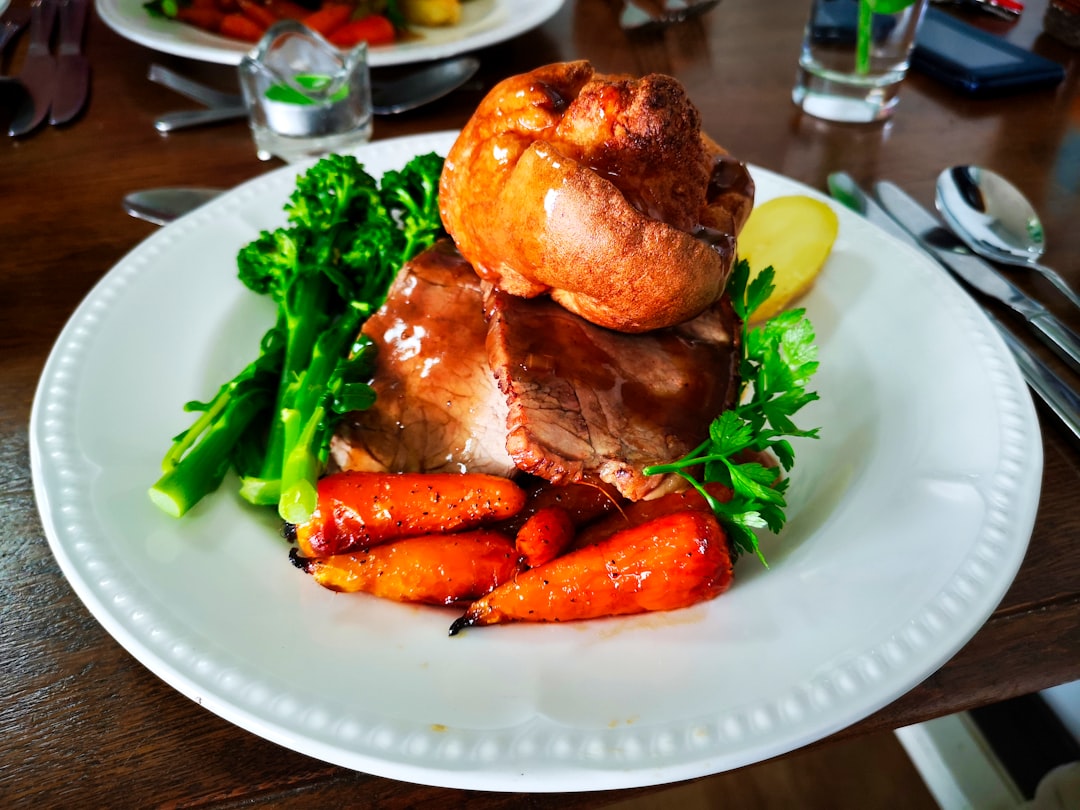
There’s something deeply satisfying about cooking from the exact words a stranger wrote down decades ago, and creator @kalebguynes leans fully into that experience in a recent Instagram reel recreating an entire 1940s “Sunday Dinner” menu, sourced directly from an actual newspaper clipping. Every dish, every ingredient, every old-fashioned instruction is followed as faithfully as possible, turning a yellowed scrap of newsprint into a genuine, edible time capsule.
Newspaper recipe clippings occupy a singular place in American culinary history, having served for much of the twentieth century as one of the primary ways home cooks discovered new dishes, seasonal menus, and homemaking advice. Women’s pages and dedicated food sections ran weekly menu suggestions, complete recipes, and detailed instructions aimed at helping homemakers plan balanced, affordable meals for their families — a role that cookbooks and, eventually, the internet would gradually take over as the century progressed.
What makes a 1940s Sunday dinner menu specifically compelling to recreate is the historical context baked directly into the ingredients and techniques available at the time. The decade was shaped significantly by wartime rationing in its early years, followed by a gradual return to abundance as the decade progressed, meaning recipes from this era often reflect a very particular relationship with scarcity, resourcefulness, and the specific cuts of meat, canned goods, and seasonal produce that would have been realistically available to an average American household.
Recreating historical recipes exactly as written, rather than adapting them for modern tastes or convenience, presents genuine culinary challenges that make this kind of content particularly engaging to watch. Older recipes frequently assume knowledge and techniques that have since fallen out of common practice, use measurements and terminology that read as unfamiliar or ambiguous to modern cooks, and often call for ingredients or specific products that have changed significantly or disappeared from grocery store shelves entirely, requiring genuine culinary detective work to execute faithfully.
This kind of historical cooking content has found a substantial and devoted audience across social media in recent years, part of a broader fascination with understanding how previous generations actually lived their daily lives rather than simply viewing history through the lens of major events and historical figures. A Sunday dinner menu offers something textbooks rarely capture: the specific, mundane rhythm of domestic life, the particular foods a family might have gathered around on an ordinary weekend, and the social rituals embedded in a weekly meal that once held far greater ceremonial weight than it typically does today.
There’s also a strong nostalgic dimension for viewers whose own parents or grandparents might have prepared meals from similar sources, whether an actual clipped newspaper recipe or dishes passed down through family tradition that originated from exactly this kind of mid-century food media. Watching someone recreate a specific historical menu often triggers memories of a grandparent’s kitchen, specific family recipes, or the particular aesthetic of mid-century American home cooking that has since been largely supplanted by more globally influenced, convenience-oriented modern eating habits.
The broader vintage recipe recreation genre also serves a genuine preservation function, documenting cooking techniques, regional dishes, and food culture that might otherwise be lost entirely as the physical newspapers and handwritten recipe cards containing them age, deteriorate, or simply get discarded during estate cleanouts and household moves. A single Instagram reel can effectively digitize and preserve a piece of culinary history that might otherwise exist only as a single fragile paper copy.
It’s also worth noting how this kind of content invites genuine sensory curiosity about the past in a way that visual or written historical accounts alone cannot replicate. Taste, texture, and aroma are deeply personal, embodied experiences, and actually cooking and presumably eating a historically accurate 1940s meal offers a far more visceral connection to the era than simply reading about what people ate decades ago.
Ultimately, @kalebguynes’s recreation succeeds because it treats a humble newspaper clipping as a genuine historical document worth honoring faithfully, rather than simply a loose inspiration for a modern dish. In following the original instructions as closely as possible, the video becomes less about cooking a meal and more about momentarily stepping into the kitchen of an anonymous homemaker from decades past, carrying out exactly the instructions she once followed herself.

Leave a Reply