

Few automotive interiors capture the sheer decadence of 1970s American luxury quite like deep, plush velvet upholstery, and creator @laynie_classic gives that era its proper moment in a recent Instagram reel showcasing a classic Lincoln Town Car’s green velvet interior. Every seat, every door panel, every inch of fabric is on full display, offering a vivid reminder of just how far automotive interior design has traveled in the decades since.
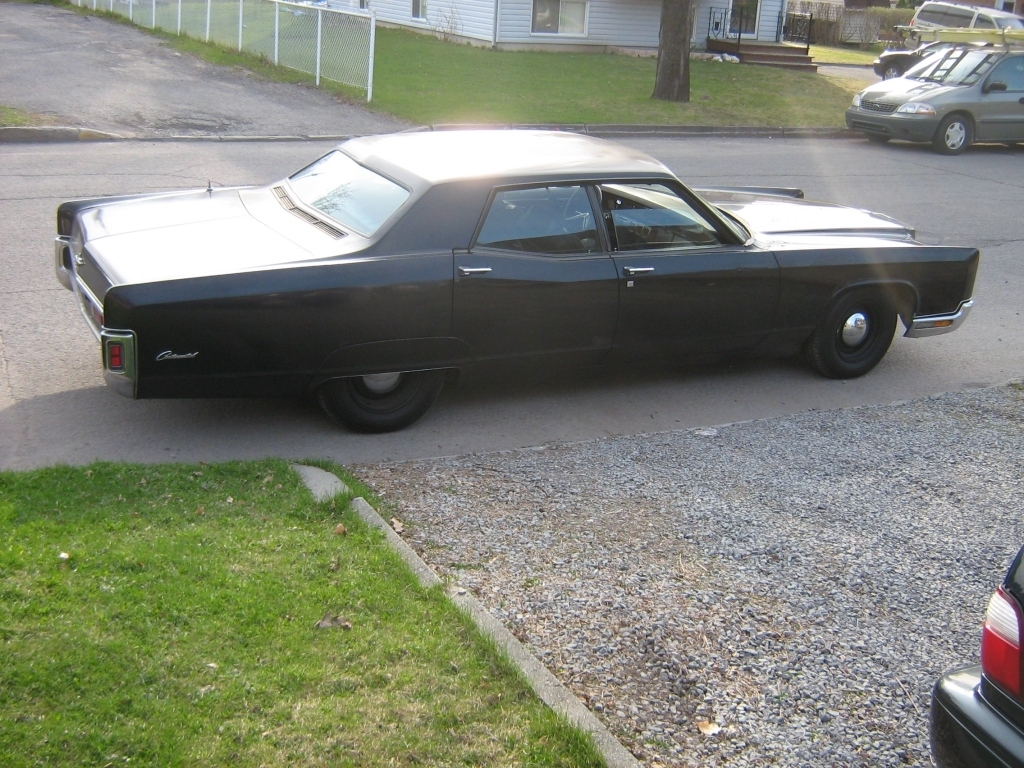
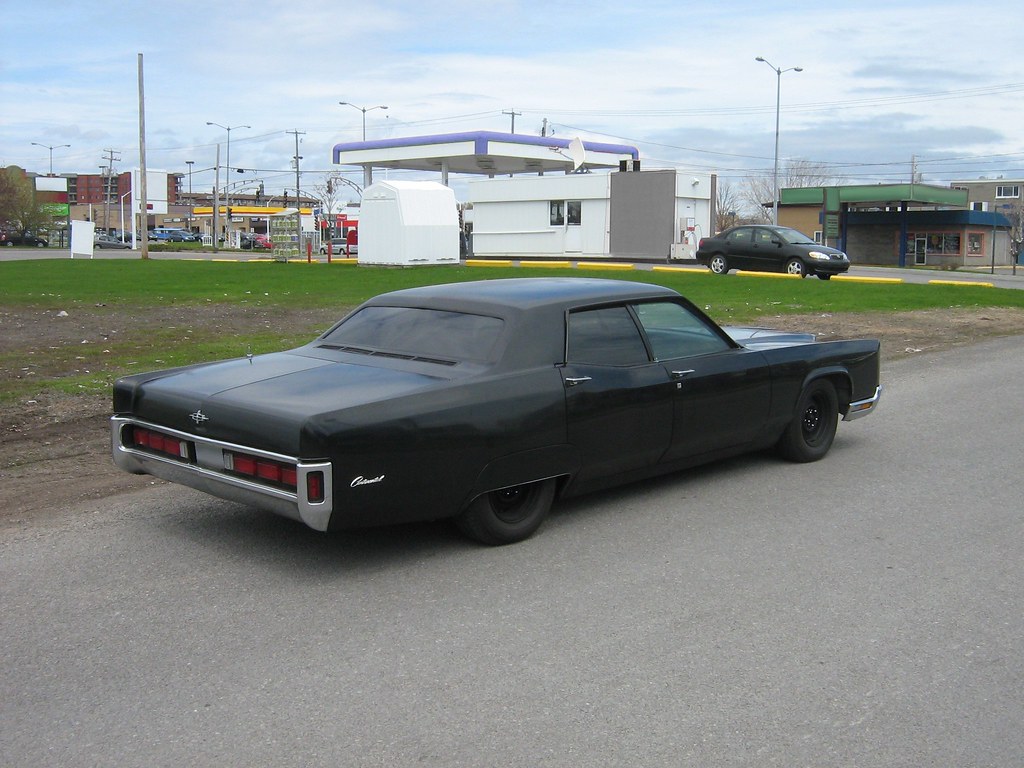
The Lincoln Town Car represented the absolute pinnacle of American luxury motoring throughout the 1970s and beyond, a full-size, boat-like sedan built around the philosophy that bigger, softer, and more opulent was unequivocally better. Velvet upholstery, offered in rich jewel tones like the deep green on display here, was a signature feature of this era’s luxury vehicles, chosen specifically to evoke the plush interiors of high-end furniture and formalwear rather than the utilitarian vinyl and cloth that dominated more economical vehicles of the same period.
What makes velvet car interiors so visually striking compared to anything available in modern vehicles is the sheer tactile ambition of the material choice. Velvet is soft, luxurious, and undeniably beautiful, but it’s also notoriously impractical for automotive use — it stains easily, crushes under repeated use, and fades with prolonged sun exposure, all of which make surviving, well-preserved examples like this one increasingly rare and genuinely impressive. Modern automotive interiors have largely abandoned fabric altogether in favor of leather and synthetic materials specifically chosen for durability, which makes the sheer indulgence of 1970s velvet interiors feel almost impossibly extravagant by comparison.
This kind of interior design also reflects a broader design philosophy that defined an entire era of American automotive manufacturing, one built around maximalism, comfort, and conspicuous luxury rather than the efficiency and minimalism that would come to define automotive design in later decades. The 1970s represented something of a last gasp for this particular aesthetic before the oil crisis, changing consumer tastes, and evolving safety and efficiency standards pushed American automakers toward smaller, more restrained vehicle designs throughout the 1980s and beyond.
Classic car collectors and restoration specialists frequently cite original, unrestored interior upholstery as one of the most difficult and expensive elements to preserve or accurately replicate in a vintage vehicle restoration. Sourcing period-correct velvet fabric that matches the original color, texture, and pattern can be genuinely challenging decades after a vehicle’s original production run ended, making a well-preserved original interior like this one a particularly valuable find for collectors who prioritize authenticity over modern reupholstery.
There’s also a strong nostalgic and cultural resonance to this particular aesthetic beyond pure automotive collecting interest. Green velvet, in particular, carries associations with broader 1970s interior design trends that extended well beyond cars, showing up in home furniture, formal wear, and decor throughout the decade. Seeing that same aesthetic sensibility applied to a car interior reinforces just how comprehensively certain color palettes and material choices defined an entire era’s visual identity across multiple categories of design.
The broader classic car community has also embraced social media enthusiastically as a venue for showcasing exactly this kind of interior detail, recognizing that exterior shots, while impressive, often fail to capture the full sensory experience of a vintage vehicle. Interior showcases like this one let viewers appreciate craftsmanship and design choices that would otherwise require sitting inside the actual car to fully experience, democratizing access to a level of automotive luxury most viewers will never personally own or ride in.
It’s also worth considering how content like this functions as a kind of informal design education for younger audiences who may have never encountered a fabric-upholstered luxury car interior in person. For viewers who have only ever known leather and synthetic automotive materials, seeing a full velvet interior in genuinely excellent condition offers a tangible, visceral understanding of just how dramatically automotive design priorities and material choices have shifted over the past half century.
Ultimately, @laynie_classic’s showcase succeeds because it treats the Town Car’s interior as the genuine design achievement it represents, rather than simply a dated curiosity. In an era when automotive interiors increasingly converge toward similar leather-and-touchscreen formulas across nearly every manufacturer and price point, there’s something genuinely refreshing about revisiting a period when a car’s interior could be as boldly, unapologetically luxurious as a formal living room — and just as memorable decades later.

Leave a Reply