

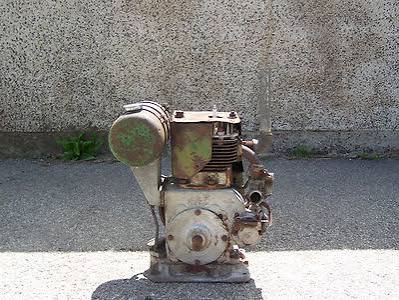
Every barn-find restoration builds toward one singular, electric moment, and creator @the_barn_brothers captures it beautifully in a recent Instagram reel: an antique stationary engine, after extensive careful fuel and valve adjustments, finally shows its first genuine signs of life, sputtering and catching in a moment that represents the culmination of significant patient mechanical work.
Barn finds hold a particularly mythologized status within vintage mechanical restoration culture, representing the thrilling possibility that genuinely significant, long-forgotten machinery might still be sitting untouched in rural outbuildings across the country, waiting for the right person to rediscover and revive it. These finds carry an inherent romantic appeal distinct from purchasing a known, cataloged antique through conventional channels — there’s a genuine treasure-hunt quality to uncovering a machine that’s been quietly aging in obscurity, sometimes for the better part of a century, before someone recognizes its value and potential.
Getting a long-dormant antique engine to show its first signs of life requires addressing multiple interconnected systems simultaneously, since fuel delivery, ignition timing, and valve function all need to work in proper coordination for combustion to occur successfully. Fuel systems on engines this old frequently suffer from degraded gaskets, clogged passages, and corroded components that accumulated over decades of inactivity, while valve mechanisms can seize, wear unevenly, or lose proper clearance adjustments, all of which must be methodically diagnosed and corrected before an engine stands any real chance of running again.
What makes this particular moment — the first sign of life after extensive preparatory work — so genuinely thrilling to watch is the sheer uncertainty that precedes it. Unlike working on a modern engine with well-documented specifications and readily available diagnostic tools, restoring antique machinery often involves genuine guesswork informed by experience and historical knowledge, meaning even careful, correct preparatory work doesn’t guarantee a successful result. That authentic uncertainty is precisely what makes a successful outcome feel so earned rather than simply expected.
The broader antique engine and machinery restoration hobby has sustained a genuinely devoted community for decades, built around exactly this kind of shared appreciation for patient, skilled mechanical work applied to preserving functioning examples of early industrial and agricultural technology. Engine shows, swap meets, and online communities dedicated to this niche continue to thrive, connecting restorers who share specialized knowledge, source rare parts for one another, and celebrate successful restorations like this one as genuine community achievements rather than purely individual accomplishments.
There’s also something worth appreciating about the specific sensory experience documented in a moment like this one — the particular sound, smell, and visible motion of an engine firing for the first time in potentially decades carries genuine emotional weight for anyone who understands the mechanical work required to reach that point. For viewers unfamiliar with engine restoration, the moment might register simply as a satisfying success; for those who understand the underlying process, it registers as something closer to a small miracle.
This kind of restoration content also carries genuine historical preservation value beyond its entertainment and satisfaction appeal, since each successfully revived antique engine represents one fewer piece of early industrial history lost to time, decay, and neglect. Every barn find that gets properly restored rather than left to deteriorate further or get scrapped for parts contributes meaningfully to keeping tangible examples of this mechanical history accessible for future study and appreciation.
It’s also worth noting how documenting this entire process, from initial discovery through careful restoration to this first triumphant sign of life, creates a genuinely valuable narrative arc that distinguishes this kind of content from a simple before-and-after reveal. Viewers who have followed the full journey get to share genuinely in the accumulated anticipation and eventual payoff in a way that a single isolated clip could never replicate.
Ultimately, @the_barn_brothers’s milestone moment succeeds because it represents the genuine culmination of skilled, patient work rather than a quick or lucky outcome. Watching an antique engine show its first real signs of life after careful, methodical preparation offers a deeply satisfying reminder that some of the most rewarding achievements come only after sustained effort, careful attention, and a willingness to work through genuine uncertainty toward an uncertain but hoped-for result.

Leave a Reply