

“California Dreamin’” may be the only hit song whose central event is a fake prayer. That is the observation of @jbeckl, who hosts a series called Sacred Riffs about the spiritual side of popular songs.
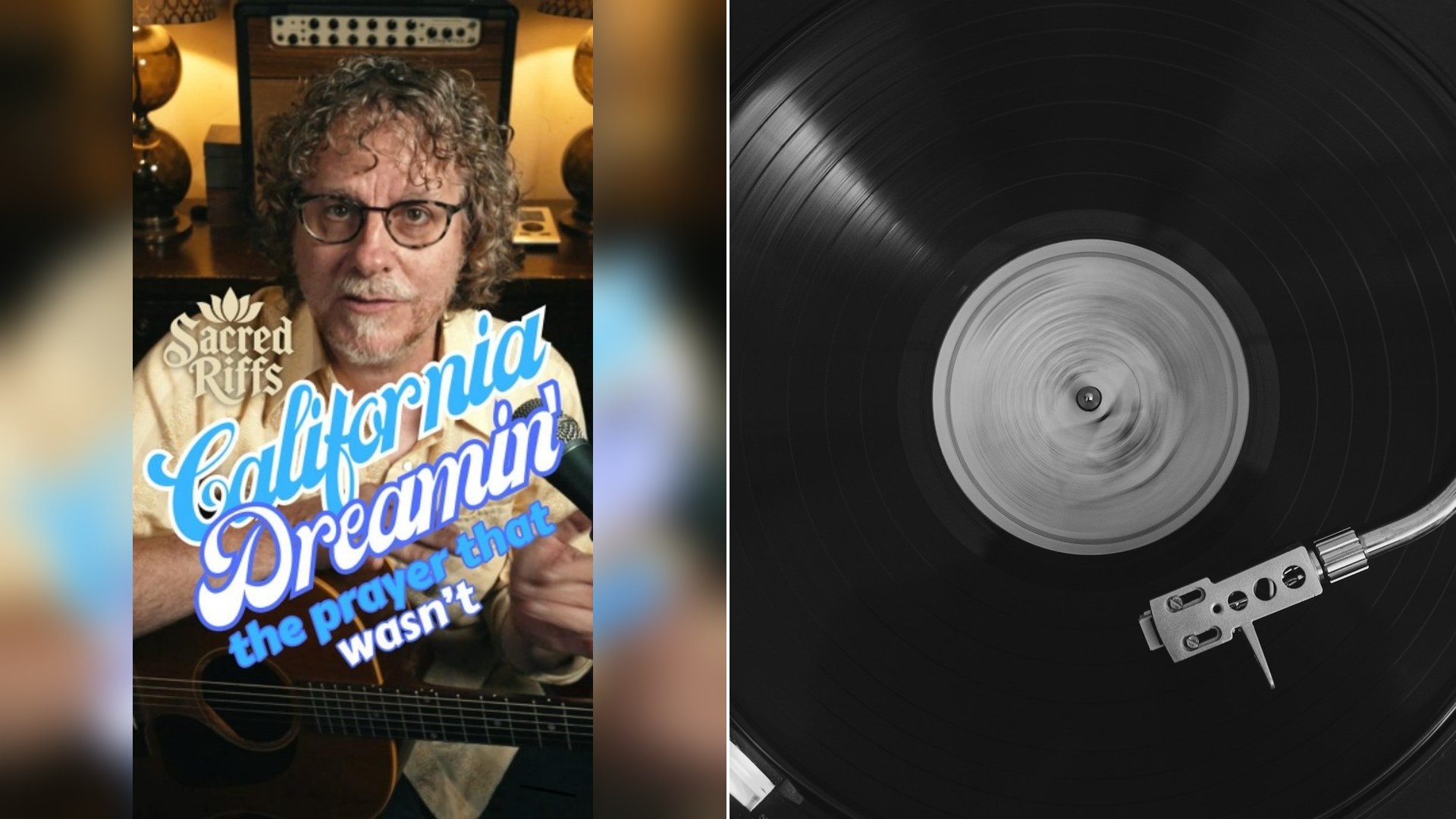
In the first verse, a person steps into a church along the way, gets down on their knees and, in the words of the song, pretends to pray. The reason is simple: it is cold outside.
And here is the twist. Mama Cass herself got the line wrong for a while.
View this post on Instagram
Mama Cass Sang “I Began To Pray” On Tour Until Michelle Corrected Her
The host admits that for a whole lifetime, the lyric sounded like “I began to pray,” not “I pretend to pray.” It turns out the singer of the song did the same.
According to the host, Mama Cass also thought the line was “I began to pray” and sang it that way on tour until Michelle Phillips set her straight.
It is a small change of one word, but it flips the meaning of the whole moment. Someone who begins to pray is sincere. Someone who pretends to pray is only trying to get warm.
A New York Winter, St. Patrick’s Cathedral And A Husband Who Would Not Go In
The lyric was based on a real experience. John and Michelle Phillips were enduring a New York winter, and Michelle wanted to go into St. Patrick’s Cathedral.
John would not go in. The host says he had strong negative feelings about religion that stemmed from his childhood in parochial school.
When John showed Michelle the beginnings of a new song, she put the church memory into the lyrics. That gave the song its setting and, in the host’s words, a lot of its evocative mood.
What Is Prayer When You Are Not Sure You Believe?
The host says the idea of pretending to pray changes the character of the moment completely. It raises a question the song never answers out loud: what is prayer when you are not sure if you believe?
People sometimes enter sacred spaces for warmth, for community or for beauty, the host notes. Sometimes they come out of desperation and only discover later whether there was anything spiritual about the visit.
That gives a song about longing for a sunny place a second layer. The narrator wants to be somewhere else, and the church is only a place to wait out the weather, yet the longing in the singing feels almost like a prayer of its own.
The Alto Flute Solo That Reminded The Host Of Rumi
The music has plenty to talk about too. The host points to the very dramatic chords, a production that is classic mid-1960s Wrecking Crew, and what the host calls the cherry on top, the alto flute solo.
In the poetry of Rumi, the host explains, the flute stands for longing and spiritual homesickness. The host quotes the famous line, “Since I was cut from the reed bed, I have made this crying sound,” and adds that anyone pulled from a source longs to go back.
Seen that way, the flute in the middle of the song is doing something special. A narrator far from the warmth of California is, in a small way, a reed cut away from its bed.
The host says the song was brought to mind again by a friend’s new film, California Schemin’, and urges listeners to go see it.
The Song That Sent Thousands West Has A Spiritual Paradox At Its Heart
The host notes that this song by the Mamas & the Papas inspired thousands of people to move West in the 1960s and beyond. A tune that sold the sunshine to a whole generation opens with someone hiding in a church from the cold.
The host calls that a spiritual paradox, and it is hard to disagree. The very thing that makes the song feel like a postcard from California is a moment of doubt in a cathedral on the other side of the country.
The host even followed the idea all the way to Persian mystical poetry, which the caption admits was unexpected. It shows how much can be packed into a three minute pop song when you stop and listen closely.
That is what makes the track last. It works as a simple wish to be warm, and it also works as a question about faith, longing and home.
How To Hear The Song Fresh Next Time
If you have known this song for decades, the lesson is that familiar lyrics can hide surprises. Even the group’s own singer misheard a line, so no one needs to feel bad about singing along to the wrong words.
Next time you play it, listen for the first verse and picture the scene: a cold street, a church door and a person kneeling only to stay warm. Then listen to the flute and ask what it might be longing for.
Try it with other favorites too. Pull up the printed lyrics for a song you have sung for fifty years and read them slowly. You may be surprised how many words you have been singing differently, and how a single word can change what a song is about.
It is also a good conversation starter. Ask a friend or a grandchild what they think the first verse says, and see how many say “I began to pray.” Then tell them the real story of a New York winter, a cathedral and a husband who stayed outside.

Leave a Reply