

Somebody dropped a fish that dances to music into the donation bin, and @zradxr was lucky enough to find it on the thrift store shelf for just $3. The creator could hardly believe it, especially thinking about how many shoppers would walk right past it.
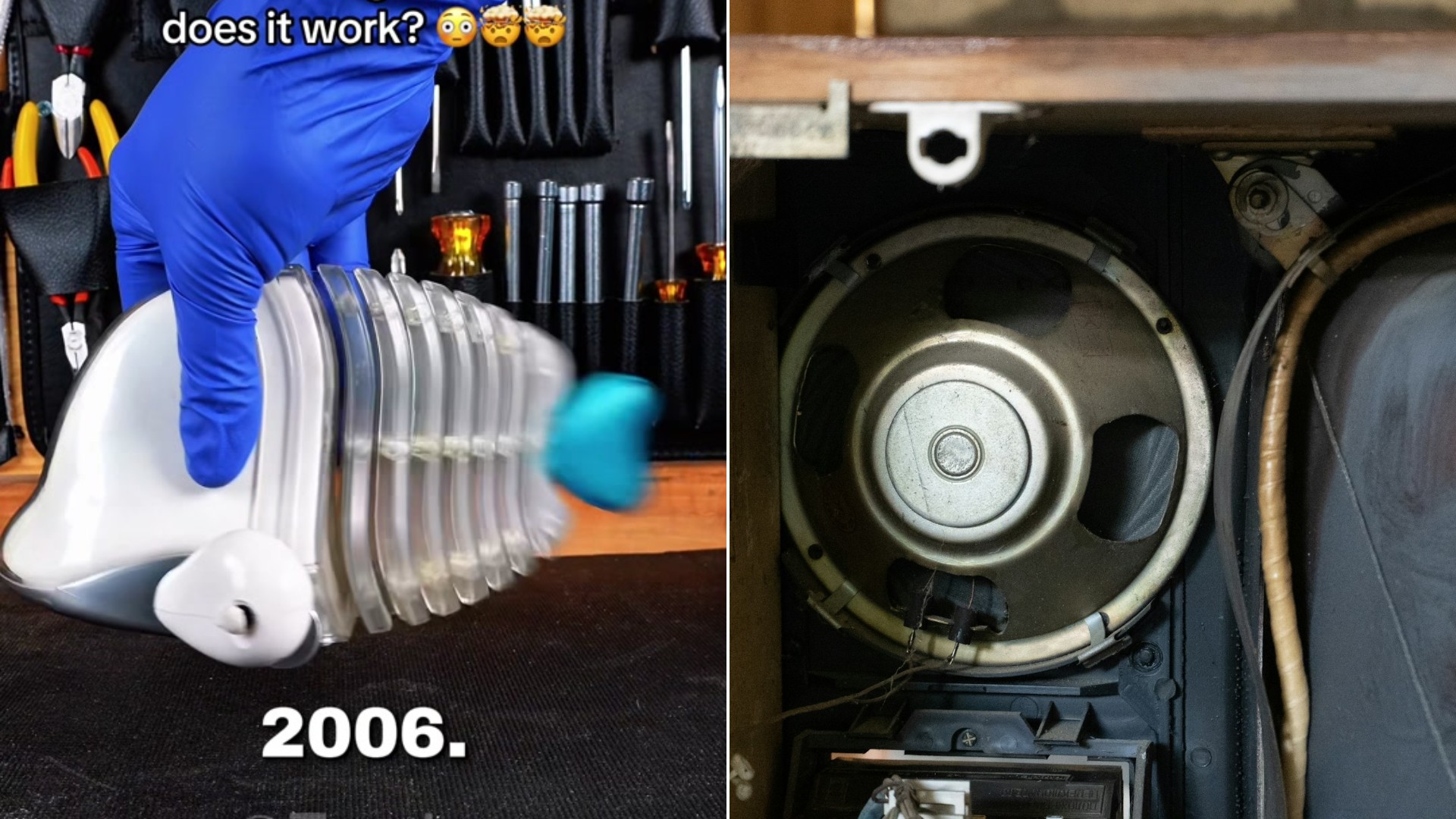
The fish is a vintage iFish, and it dates back to 2006. It was more than a wireless speaker, because it actually moved to the beat of whatever you played.
@zradxr
A Fish That Turns Your Music Into A Show
Think back to 2006. iPods and MP3 players were everywhere, and people were looking for fun ways to play their songs out loud without a stereo. This little guy was designed to turn your music into a show.
According to the creator, its tail moves to the beat, colorful lights flash, and it can even spin around on flat surfaces. That is a lot of personality for a gadget that fits on a shelf.
$3 At The Thrift Store, Over $100 Online
Here is where the story gets interesting. The creator says these were originally sold for around $40 to $50, and that some have been listed online for over $100.
That kind of gap is exactly why thrifters keep checking the electronics shelf. A $3 price tag on a gadget that new buyers once paid $40 to $50 for is the sort of find that makes a reseller’s heart skip.
The caption sums up the feeling nicely: “Who remembers having one of these growing up?” Plenty of people who were teenagers or young adults in 2006 will answer with a smile.
But There Is One Big Problem
Every thrift store electronics find comes with a catch, and this one is no different. The question that matters is whether it still works after all these years.
The creator is honest about that. The plan was to plug the fish in, turn on some classic 2006 rap from Paul Wall, and see if the fish can come back to life.
It is a fun test, and it makes sense for the era. If a dancing speaker is going to wake up from a long nap, it might as well do it to a song from the year it was made.
Why Nostalgia Gadgets Command Real Money
People pay for things they remember. A gadget from 2006 reminds a lot of shoppers of the first MP3 player they ever owned, and a quirky speaker is a piece of that time.
The fish also has a hook that photographs well. A moving tail and flashing lights are more fun to see than a plain gray box, and that helps online listings stand out.
Still, a listing price is only a starting point. What a seller asks and what a buyer actually pays can be very different, so it helps to check completed sales before you count on a number.
The 2000s have become a hot era for nostalgia shopping. Hashtags such as 2000s nostalgia are all over social media, and the gadgets that once cluttered bedroom shelves are now the things younger collectors go looking for.
Many of those shoppers were kids when these toys first came out. Now they have their own money, and they are happy to spend it on the thing they begged for back then.
How To Test A Thrift Store Gadget Before You Buy
If the store has an outlet near the electronics shelf, ask to plug the item in. Many thrift stores have a testing area, and staff are often happy to help.
Check the cord, the plug and the battery compartment. A frayed cord is a safety concern, and a corroded battery door can mean the item has been sitting a long time.
Look for missing parts, such as remotes, adapters or the cable that connects the gadget to a music player. A gadget without its original power adapter can be harder to resell.
Another smart habit is to search for the exact name of the item on an online marketplace and filter for sold listings. Asking prices can be wishful, but sold listings show what real buyers have paid.
Take a quick photo of the item and its label before you go to the register. That way you have the model name handy when you research it later in the car or at home.
Donation bins are a quiet gold mine for this kind of thing. People clean out closets, and a gadget that sat in a drawer for years can land on a shelf without anyone realizing it has become a sought after item.
When the price is $3, the risk is small. Even so, a quick test and a close look can save you from bringing home a dud.
And if it works, you will have a conversation piece, a trip back to 2006 and maybe a nice profit. If it does not, you are only out the price of a sandwich, and you have a good story to tell.
More Stories You May Like
- Thrifter Finds 10 Karat Gold Earrings Marked Just $3 In The First 5 Minutes, Then Gets Faked Out By A Piece Stamped 14 Karat That Turns Out To Be Only Toned
- Storage Unit Buyer Digs Into An Old Coca-Cola Bag And Finds Stacks Of Silver Certificates, Red Seal $2 Bills And A Starred Note Dating Back To 1935
- Collector Pays International Shipping And Duties For A Box Of Brand New 1990s Halloween Decor From A Canadian Store That Does Not Ship, Including A $1.49 Skeleton And $5 Shaking Ghosts

Leave a Reply