

Remember piling into the family car before sunrise, with a cooler at your feet and not one phone in the whole vehicle? Nobody asked “are we there yet” on a screen. We asked it out loud, again and again.
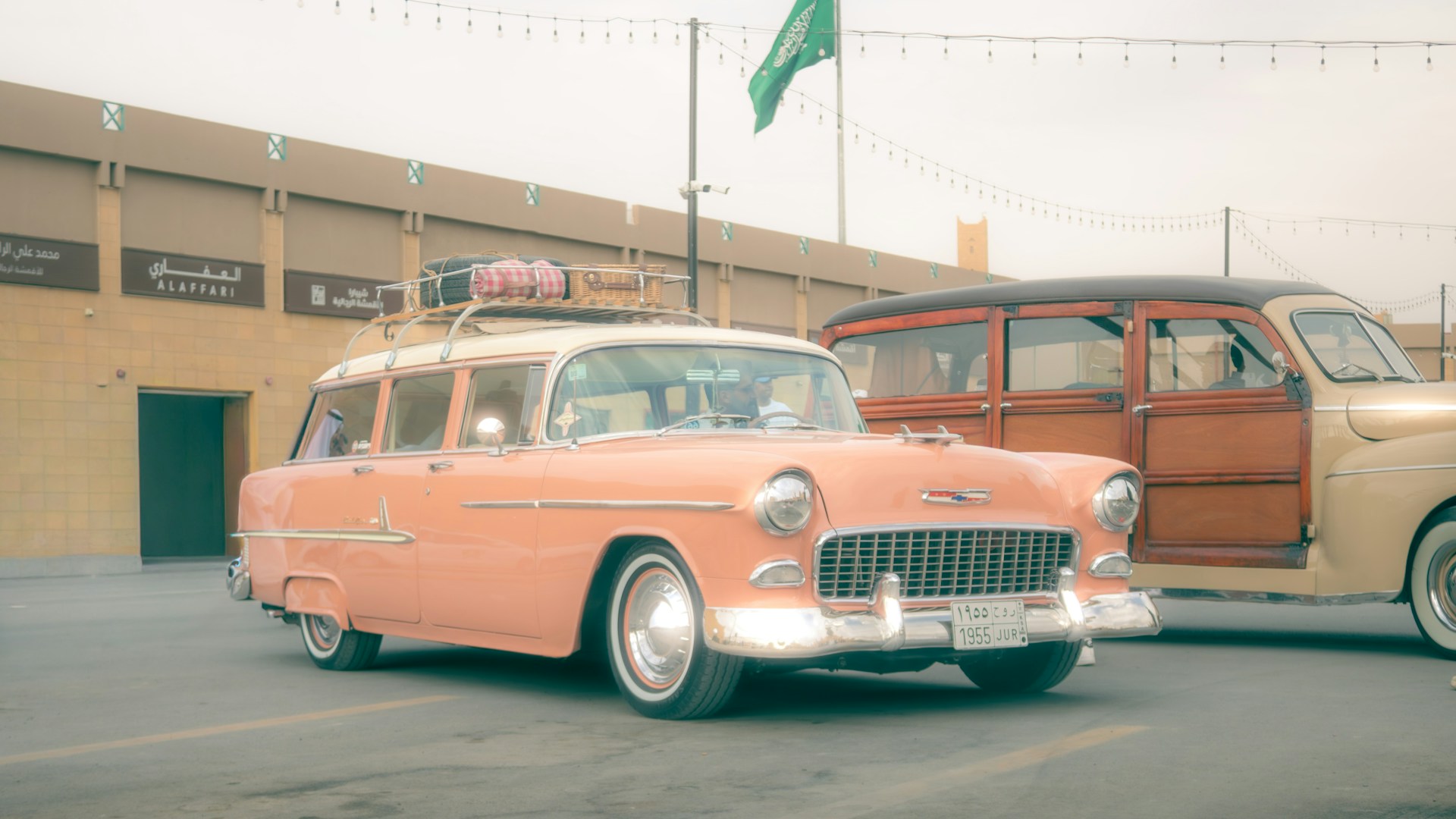
Here are 12 things that rode along on the typical American family road trip of the 1960s, using Cheapism’s roundup of how families used to travel, the Smithsonian and Stuckey’s own company history.
The Station Wagon Was A “Mobile Living Room”
Cheapism reports that the Smithsonian describes the wagon as a “mobile living room” and a home on wheels on camping trips. Families loaded coolers, picnic baskets, beach gear and luggage into it.
Some had extra rear seating, the famous “way back,” where the smallest travelers could stretch out and plot mischief.
Dad Followed A Spiral Of Highlighted Maps From AAA
According to Cheapism, AAA’s TripTik was a spiral-bound set of highlighted maps built from an agent’s origin and destination. A passenger often served as the unofficial navigator.
Cheapism adds that AAA still makes paper TripTiks today, though GPS has made them much less essential.
Kids Rode Without Seat Belts Because The Rules Had Not Caught Up
Cheapism cites the National Highway Traffic Safety Administration, which says new passenger cars got lap belts starting in 1964, shoulder belts in 1968, and integrated lap and shoulder belts in 1974.
The same article reports that estimated restraint use among children through age 4 was just 15% in 1979. Cars and habits have changed a great deal since the days of the open back seat.
Dad Drove Until A Motel’s VACANCY Sign Lit Up
Cheapism says families often did not book their overnight stops in advance. They simply drove until a glowing sign promised a bed.
The National Park Service estimates roughly 30,000 motor courts or motels were operating along American highways by 1948, so there was usually one around the next bend.
Mom Packed A Cooler And Lunch Was A Roadside Picnic
Families packed lunches at home in coolers instead of stopping at restaurants, Cheapism reports. A 1967 Federal Highway Administration photo of an Idaho rest area shows tables, toilets, shade, running water and grassy areas.
It was cheap, it was fun, and the sandwiches somehow tasted better outdoors.
Traveler’s Checks Were The Safe Way To Carry Cash
Cheapism explains that a traveler signed a check when buying it and countersigned it when spending it. American Express has stopped issuing new Travelers Cheques, but previously issued valid checks remain redeemable and do not expire.
If you find an old one in a drawer, that is worth a phone call.
The Pay Phone Was How You Told Grandma You Were Almost There
Travelers phoned relatives from motels or from public phones at gas stations, restaurants, airports and roadside stops, according to Cheapism. Calls required coins or a collect call.
Families often gave relatives an approximate arrival time and hoped for the best.
Postcards Said “Wish You Were Here” From Every Gift Shop
Cheapism says travelers bought postcards at motel lobbies and roadside gift shops and mailed them home. The Smithsonian notes the classic use was a quick “wish you were here” message.
Email and electronic communication began eroding postcard popularity during the 1990s, the article adds.
I Spy, Punch Buggy And The License Plate Game Kept Backseat Peace
Cheapism lists I Spy, the License Plate Game, the Alphabet Game and Punch Buggy among the favorites. Backup activities included Mad Libs, coloring books, cards and an Etch A Sketch.
Cheapism notes that HISTORY says these games flourished during the postwar road-trip boom.
Billboards Told Everyone Where To Stop For Pie, Caves And Curios
Billboards promoted diners, motels, curio shops, caves and attractions, per Cheapism. Route 66 was especially known for businesses that drew passing drivers.
As the interstate system bypassed older roads, many of these businesses lost traffic.
Burma-Shave Signs Made Highway Rhymes A Family Game
The Smithsonian’s National Museum of American History says Allan Odell created the serial roadside rhymes in 1926. He was sales manager of the family-owned Burma-Vita Company, and the rhymes advertised its brushless shaving cream.
Motorists read the message in sequence as they drove by, one sign at a time. Some verses promoted the product, others joked about facial hair, and later ones added humorous safe-driving messages.
Stuckey’s Pecan Logs Were The Sweet Stop With 4,000 Billboards
According to Stuckey’s own history, W.S. “Sylvester” Stuckey Sr. founded the company in 1937 as a roadside pecan stand in Eastman, Georgia, with a $35 loan. Ethel Stuckey made and sold old-fashioned candy, including the pecan log roll.
The company merged with Pet Milk Co. in 1964 to add capital for expansion. During the 1960s and 1970s, Stuckey’s reached 368 stores in more than 30 states, with over 4,000 billboards.
Today the company says it has 50 licensed locations and more than 5,000 retailers.
You can still bring a paper map, a cooler and a pack of cards along. A TripTik is still available from AAA, as Cheapism points out, and a roadside picnic costs a fraction of a restaurant lunch.
Better yet, put the phones in the glove box for an hour and try the License Plate Game. Chances are the kids will remember it longer than any movie played on a screen.
More Stories You May Like
- One Estate Sale Dealer Says Family Silver Now Leaves Most American Homes Weighed On A Little Kitchen Scale Because It Has Two Prices That Barely Match
- Goodwill Night Trip Turns Up A Trinket Box Inside Another Trinket Box For Just $1.99 Plus A Salvation Army Stop
- Photo Collector Bought a Box of Old Auction Photos and Traced the Family to Minto New Brunswick Where Six Relatives Came Forward and Hundreds of Trophies Told the Rest of the Story

Leave a Reply