

Those thick, clear plastic sleeves wrapped around so many picture discs and special-edition records come stamped with a comforting promise: “Factory sealed for your protection.” According to vinyl collector Pieces of Vinyl, that promise is a lie. In a video aimed at collectors, @PiecesofVinyl says those outer sleeves are quietly damaging the records inside them and the records sitting next to them on the shelf, and he wants every collector to go check their collection today.
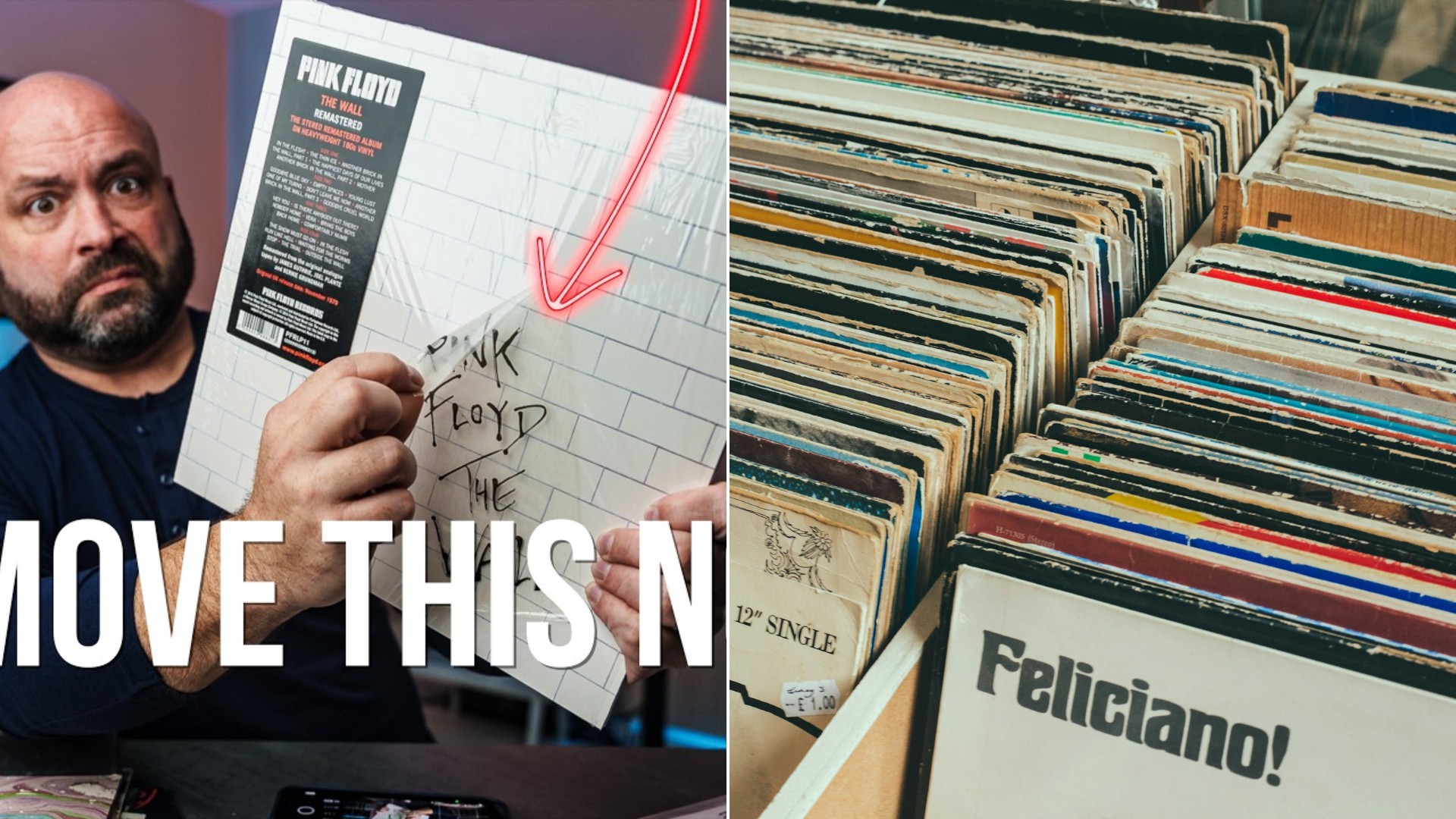
His opening instruction is dramatic. If you think you have one of these sleeves on your shelf right now, he says, stop what you are doing, go get it, take it out and throw it away. He is not talking about ordinary outer sleeves. He is talking about thick PVC sleeves, and he says that over time they can harm not only the record they are meant to protect but also the albums nearby.
His rule of thumb is easy enough for anyone to remember. If an outer sleeve smells strongly like a soft plastic shower curtain or an inflatable pool toy, take it off your vinyl immediately. He calls the whole message a public service announcement about PVC for the vinyl community, and he credits Parlogram Auctions, which he describes as a great Beatles channel, with the first video on the subject that he saw. He says the problem was news to him when he first came across those videos, so he believes someone should pick up the torch every few years and tell new collectors and unsuspecting veterans alike.
Why Soft Plastic Hurts Hard Vinyl
Pieces of Vinyl explains that the trouble comes from plasticizers. Pure PVC is naturally rigid and brittle, so manufacturers mix chemical plasticizers, most commonly phthalates such as DEHP, into the sleeves to make them flexible. He notes that he researched the topic for the video. These plasticizers are not chemically bonded to the plastic itself; they are merely trapped inside it.
Over time, he says, changes in temperature, humidity and even air pressure can cause those molecules to leach out and turn into a gas, a process called off-gassing. Because records are also made of polyvinyl chloride, often blended with polyvinyl acetate, he says the released gas can react with the record surface and try to soften it the same way it softened the sleeve. In his telling, the result is permanent damage.
He paints a familiar picture: a picture disc you rarely play, or a clean copy of Sgt. Pepper kept for collector’s sake, tucked beside your Beatles albums for years while the heat and humidity change. That, he says, creates the perfect conditions for off-gassing.
What The Damage Looks Like
The first sign is severe surface haze, he says, a milky, cloudy or oily film across the playing surface. He tells collectors to look for a persistent white or rainbow sheen that follows the pattern of the sleeve or the inner lining, and he points to a ripple effect on one sleeve on his table. That record, he says, had been stored in the sleeve for about 30 years.
The plasticizers can also attack the grooves, permanently altering their microscopic structure and leaving tiny pits and scars. The damage shows up as heavy background hiss with constant crackles and pops. He says you cannot remove it by cleaning, vacuuming or ultrasonic washing.
In extreme cases, such as a hot attic over several years, he says the sleeve can fuse to the record or even the jacket. It can tear the artwork or leave heavy residue behind when you try to peel it away. He shows a heart-shaped disc whose sleeve had stuck to it, with damaged areas still visible on the outside of the heart. The cardboard that came with it had even yellowed, and the back, which he thinks was once white, had turned yellow from the gas. He has not played that record yet.
The Pink Floyd The Wall Sticker Trap
Picture discs and shaped records are the usual offenders, but he says regular black vinyl can suffer too. His main example is Pink Floyd The Wall. The title is not printed on the gatefold cover itself; it comes on a sticker attached to an outer PVC sleeve. Back in the day, many people peeled that sticker off and stuck it on the front cover, which he says meant the gas could pass through the jacket and leave a strip of haze right down the middle of the record.
He shows a post from a Reddit user who found a used copy and was excited, only to pull out the record and see a hazy band down the center. He also notes that the 2016 reissue still came with the PVC sticker sleeve. After realizing he still had it on his own copy, he peeled it off on camera. He plans to stick it on a separate piece of cardboard and keep it far away from the record.
What Every Collector Should Know
He lists several key points. The damage is 100% irreversible, he says, because it is a fundamental breakdown of the vinyl compound rather than dust or finger oils. Paper and cardboard will not stop the gas, which can pass through inner sleeves, thin jackets and poly-lined sleeves, and may even reach the next record over. Tight storage speeds things up, so a packed box of records in a hot attic or humid basement is the worst case. He says that is exactly what he sees whenever somebody gives away a collection.
What To Use Instead
His recommendation is polypropylene outer sleeves. They are extremely clear, slightly rigid, non-reactive and chemically stable for decades. Polyethylene sleeves are a fine second choice, he says, though they are a bit foggier. What to avoid are the thick PVC versions, some with raised outer ridges or a flap to tuck into.
He has run into the problem in everyday places, too. A few years ago he bought an Elton John record at Walmart that came without a jacket and wrapped in one of the offending sleeves, so he pulled it out right away. His advice for anyone with a stack of records is to check the collection, swap any suspicious sleeves for polypropylene, and give the shelf a sniff test. If it smells like a pool toy, it goes in the trash today.
More Stories You May Like
- Ten More Weird Defunct Candy Bars That Nobody Remembers Prove Your Childhood Snacks Are Gone for Good
- Ruined Mid Century Modern Dresser Gets Brought Back to Life in a Transformation That Shows What Furniture Is Worth Saving
- Record Collector Blind Buys Boxes Of Records And Finds A Rare Derek And The Dominos Layla Test Pressing Hidden In The Pile

Leave a Reply