

Ever stood in front of a tall, narrow chest of drawers in an antique shop and wondered why it had so many drawers? Not six, not eight, but exactly seven. It turns out there is a charming reason, and the dealers at @freighthouseconsignment have been happy to share it. The piece is called a semainier, and it has one drawer for each day of the week.
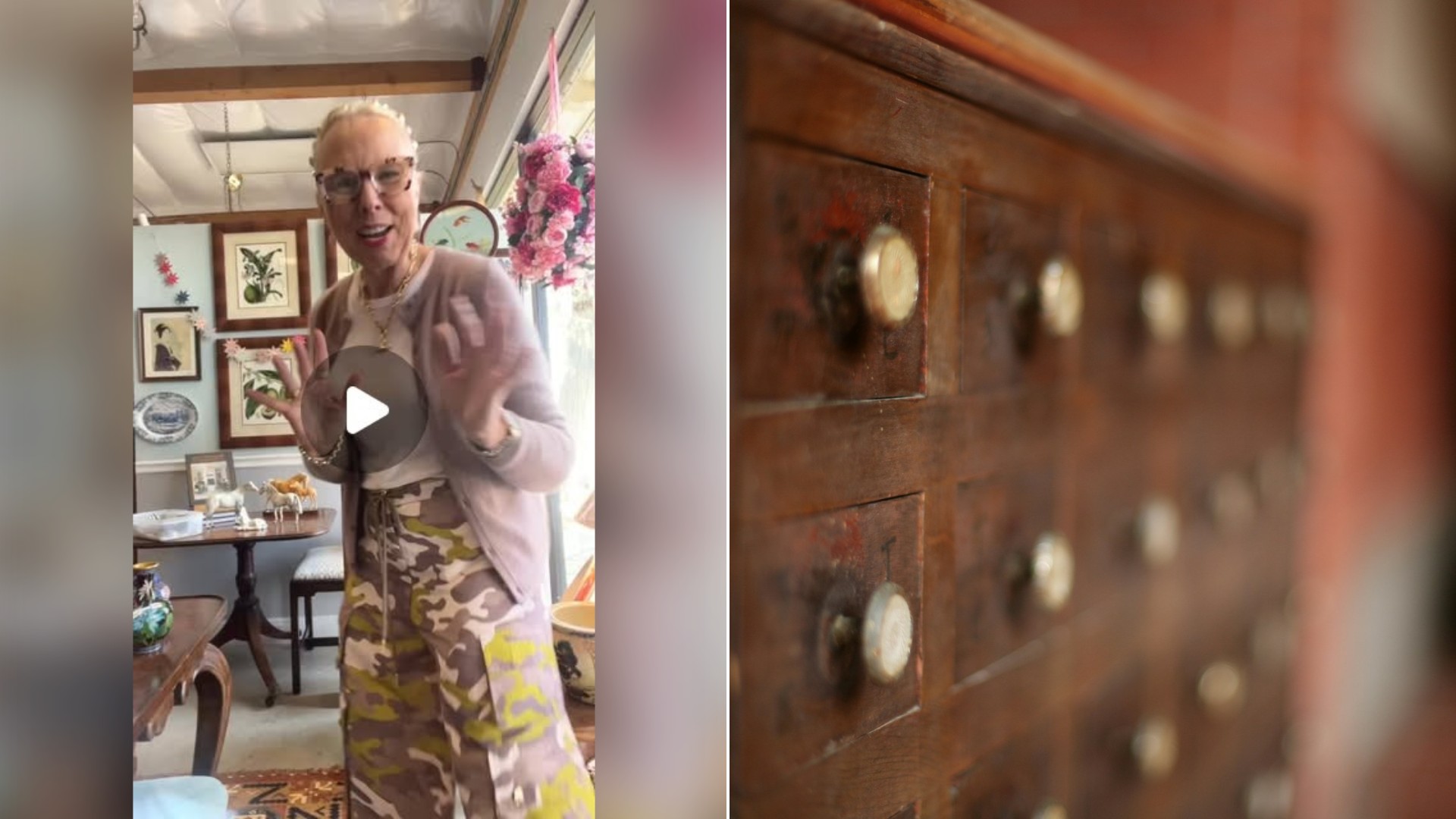
The explanation is delightfully simple. In a short reel, the creator answers the question of why these lingerie chests are made so tall with exactly seven drawers. The name, semainier, points straight to the answer. Seven drawers, seven days. Monday gets one, Tuesday gets one and so on through the weekend.
View this post on Instagram
The reel adds another fun detail about how these chests were built. They have handles on them, the creator explains, so they could be loaded onto a carriage. In other words, these tall chests were designed to travel, and the handles were not just decoration but a practical part of moving a household from place to place.
What a semainier is
The word comes from the French for week, which is semaine, and it describes a tall, narrow chest of seven drawers that was often used to store delicate garments and linens. In English, you will sometimes hear the same form called a week chest or a weekly chest. Many were made in France, where the form has a long history, and the idea has traveled widely over time, with versions turning up across Europe and beyond.
The tradition behind it is a very orderly one. With one drawer for each day, a household could keep a fresh set of undergarments, stockings or linens ready for every day of the week. It is a clean and sensible system, and it is a reminder of how much thought went into organizing a home before the days of built-in closets.
Why they remain so popular
Semainiers are loved by antique collectors and interior decorators alike. Their height gives them presence, and their narrow footprint makes them a perfect fit for tight spaces, such as a hallway, a bedroom corner or a small dressing room. They also offer something modern furniture often lacks: a lot of storage in a very small space. Many people use them today for socks, scarves, craft supplies, kitchen linens or even office items, and a seven-drawer piece makes a handsome organizer anywhere you need one.
How to shop for an antique chest
If you spot a tall chest like this at a shop, an estate sale or a flea market, take a careful look before you buy. These tips apply to nearly any antique chest:
- Pull out every drawer. They should slide smoothly and sit level, without sticking, wobbling or falling out. Check the bottoms for cracks.
- Look at the joinery on the drawer corners. Dovetail joints, where the wood interlocks like fingers, are often a good sign of quality construction.
- Check the hardware. Original handles, pulls and keyholes add charm, though replacements are common and often fine if they suit the piece.
- Look at the back and the underside. Rough, unfinished boards, saw marks and wear can tell you a lot about how the piece was made.
- Smell the drawers. A strong smell of mildew or smoke is difficult to remove from old wood.
- Check for pests. Fine dust or tiny holes in the wood can point to insects, and active infestation can spread to other furniture.
Using one in your home
A tall chest works best when it has room to breathe. Place it where you can see it and open the drawers easily, and consider adding drawer liners, which protect old wood from rubbing and keep delicate items clean. If you plan to store clothing or linens, choose acid-free tissue and avoid anything that could stain the wood. A small lamp or a framed picture on top completes the look.
A tiny lesson in how old furniture earned its keep
Furniture like this reminds us that every old form had a job to do. Before closets were common, people relied on chests, cupboards and wardrobes, and the best pieces were designed around specific habits. A chest with handles was a chest that could move, whether to a country house for the summer or to a new home after a marriage. A chest with seven drawers was a chest that helped keep a week in order. When you understand the purpose, the shape suddenly makes sense, and the piece becomes more interesting.
That is a useful trick whenever you are looking at an odd antique. Ask what it was for. Who used it, what did they keep in it, and how did they carry it? The answers often lead you to a good story and a better appreciation of the craftsmanship.
And if a seller tells you a story about a piece, listen with interest but verify what you can. Look for marks, check how it was built and compare it with similar pieces. A little curiosity goes a long way in the antiques world.
And if you want to honor the original idea, you could even assign each drawer a day of the week. It is a fun and surprisingly useful way to organize anything from socks to craft supplies. Credit to @freighthouseconsignment for the neat reminder that old furniture often has a very good reason behind its design.
More Stories You May Like
- Shopper Finds an Estate Sale Advertised as a Garage Sale With Handmade Quilts a Mirror and a Wooden Bread Box and Negotiates the Whole Haul Down to Two Hundred Fifty Dollars
- Daughter Thought Her Dads One Hundred Twenty Five Dollar Print Was Worth Two Thousand Dollars and Was Way Off
- Fifty Dollar Flea Market Find Changed Her Life Forever and the Story Behind It Will Make You Rethink Every Dusty Booth You Walk Past

Leave a Reply