

Ask a seasoned thrifter where the best secondhand finds hide, and you will get a dozen theories. Estate sales on the nice side of town. Shops near retirement communities. Stores that open only on Thursdays. One couple behind @heythelovers decided to put a new theory to the test on a recent outing: that church secondhand shops in Sweden get the best mid-century donations, because kind-hearted people give so well.
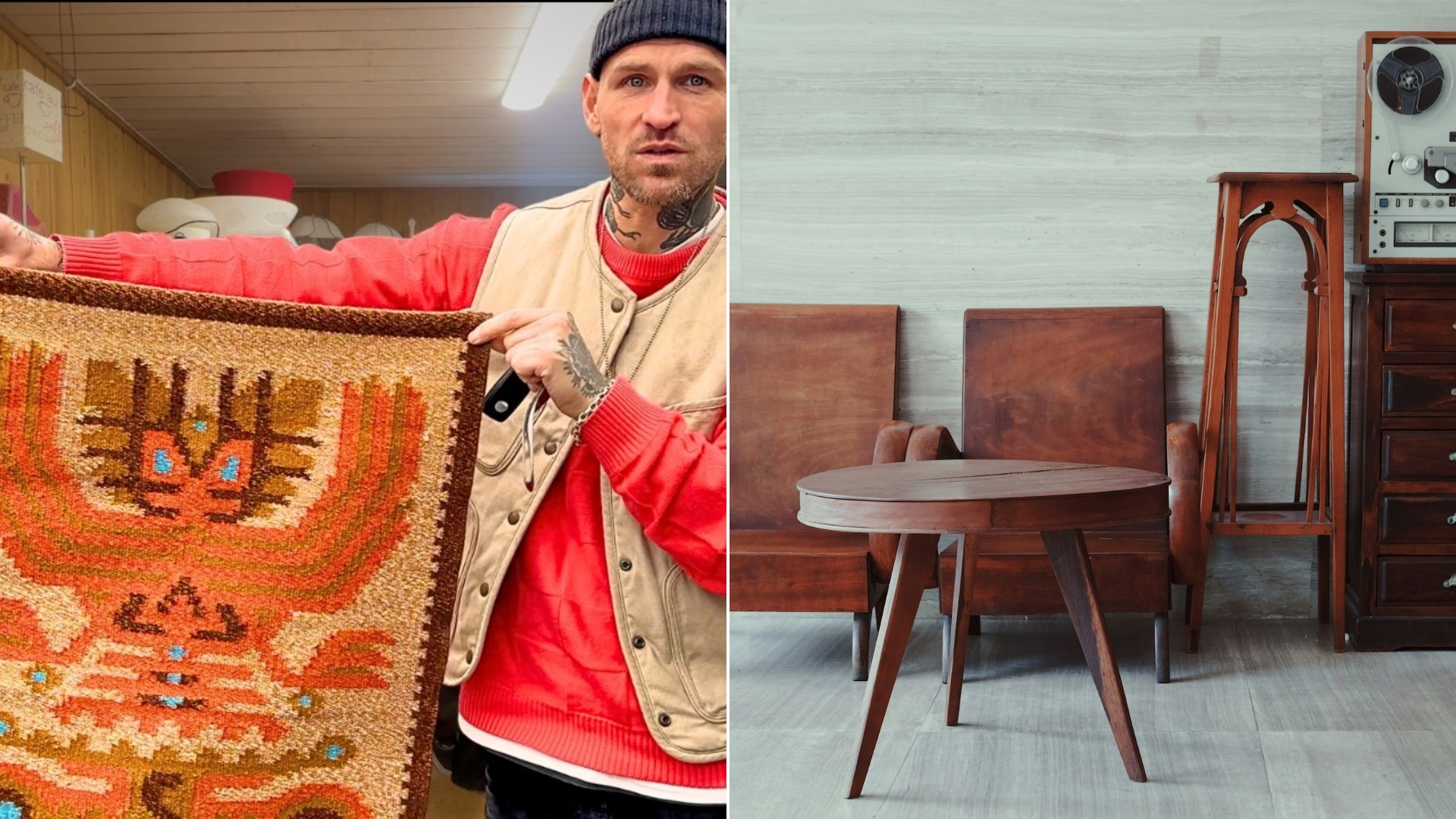
The video opens with a cheerful good morning and a bit of playful energy. It is game day, they announce, and they have come to a new secondhand store. This one is actually in a church, and they have been here before, but on that earlier visit it was closed. This time, the doors are open and the hunt is on.
Their theory is simple and, honestly, easy to believe. Kind-hearted people really are very good at donating to the church. The idea is that donors who feel a connection to the cause tend to give generously, and sometimes that means giving things worth keeping. Along the way they count down prices and keep up a running commentary that is part treasure hunt, part travel diary. They sign off with a warm wish and a promise to see viewers next week.
Why a church shop might be a good bet
Whether or not the theory holds in every case, there is a sensible logic to it. Church-run and charity-run secondhand shops are often supplied by the same local community year after year. When a household is downsizing, clearing out a relative’s home or simply tidying up, donating to a familiar local institution can feel more meaningful than sending things to a distant dealer. Those donations can include furniture, lamps, crockery and glassware from earlier decades, and, in countries known for their design heritage, mid-century pieces can show up in ordinary homes more often than you might expect.
Sweden is widely admired for mid-century and Scandinavian design, which is part of why this particular theory is so fun to test. But the lesson travels well. The same principle applies at a church thrift shop in your own town: smaller shops with a loyal donor base can turn over interesting stock, and they may not have the pricing sophistication of a big online reseller.
How to test the theory in your own neighborhood
You do not need a passport to try this experiment. A few easy steps can help you work out which shops near you deserve a regular spot on your route:
- Make a list of churches, temples, community centers and charity shops within a short drive. Many have secondhand sales that are open only certain days.
- Call or check their notices for hours. As the couple discovered on their first attempt, a shop that is closed when you arrive is a wasted trip.
- Visit more than once. Inventory changes, and one empty visit does not tell you what next week will bring.
- Chat with volunteers. They often know when donations arrive and which items sell fastest, and they tend to be friendly to anyone who is polite and interested.
- Keep notes. Jot down what you find and when, and you will start to see patterns about which shops are worth your time.
What to look for
If mid-century design is your goal, train your eye on shape and construction. Clean lines, tapered legs, warm wood tones, simple hardware and sculptural forms are classic signs. Look underneath furniture for labels and stamps, and flip over ceramics and glass to check for marks. Teak and other well-finished woods can be lovely, but check carefully for water rings, deep scratches and loose joints, because those repairs can take effort.
Remember that value is not only about money. An honest, well-made chair or lamp that fits your home and your budget is a good find even if it never turns up in a price guide. And if something is truly exciting, take a moment to photograph it and research similar listings before you decide, rather than relying on guesses.
The joy of the game
What makes this video appealing is how little pressure there is in it. The couple treat the trip as a game, and they keep the tone light and affectionate. That is a good reminder for the rest of us. You do not have to walk out with a showpiece to have a lovely morning. Sometimes the best part of a thrift trip is the company, the coffee on the way and the small thrill of trying a hunch.
So pick a theory of your own, whether it is churches, small-town hospices or neighborhood charity shops, and go see what happens. You might prove it right, you might prove it wrong, but you will certainly have a story to tell. Thanks to @heythelovers for the inspiration.
More Stories You May Like
- Woman Took Her Pristine 60 Year Old Heirloom Rolleiflex to a Repair Shop and Got It Back With Swapped Parts She Says Are Not Even Hers
- Seller Brings a Thousand Raw Baseball Cards to a Buyer With the Best Ones Already Pulled Out and Learns the Going Rate Is About Ten Dollars for the Whole Box
- Woman Finds an 1800s Hand Painted German Marriage Cabinet on Facebook Marketplace Ten Minutes From Her House and Says It Might Be Her Favorite Marketplace Find to Date

Leave a Reply