

Give a record collector a crate of vinyl and an open afternoon, and you will have a happy person. Give that same person a rule, buy only one record, and you have a challenge. That is exactly the game a beat maker who goes by Finn set for himself on a return trip to a record store called High Notes.
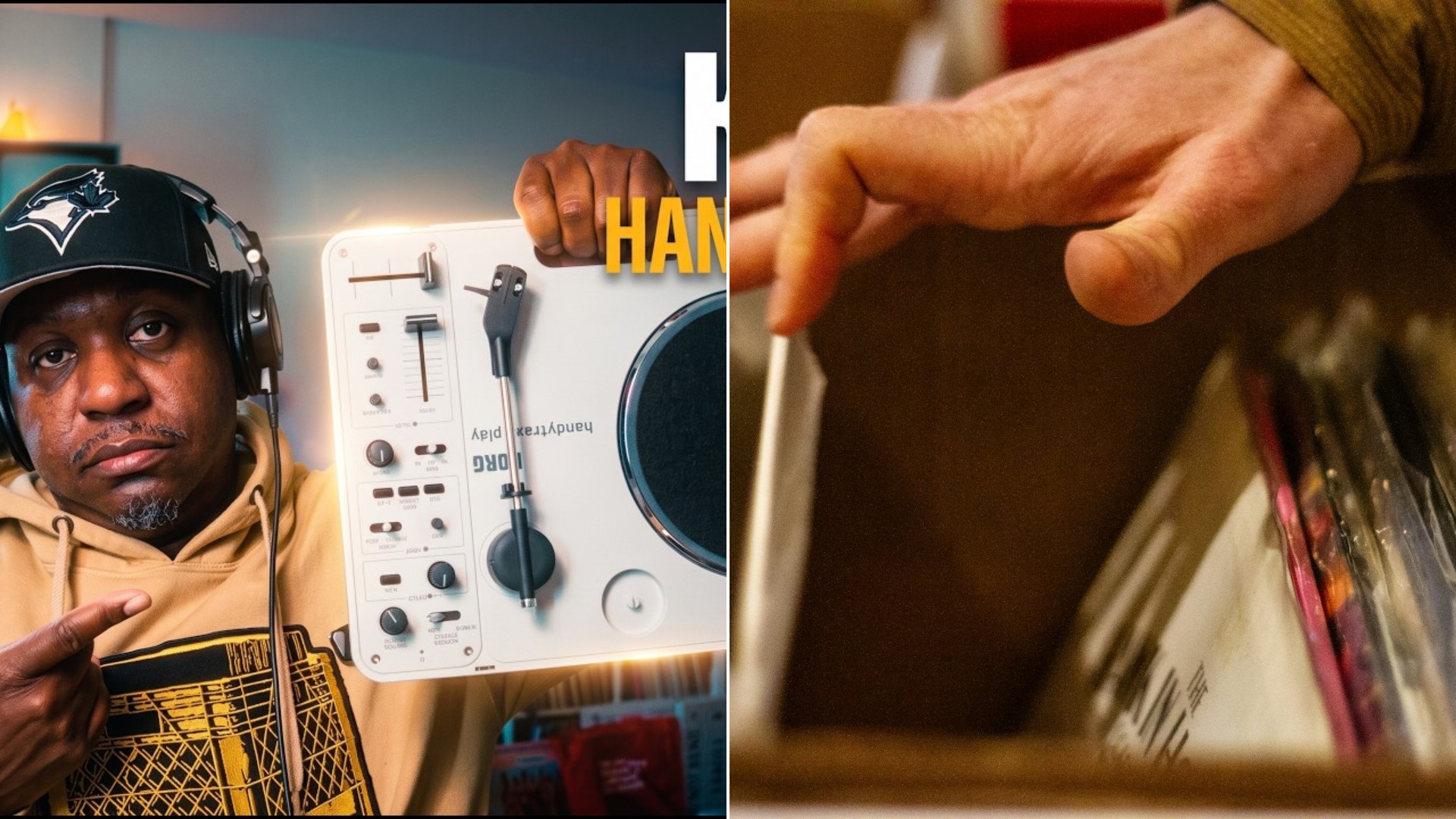
“So, I’m back here at High Notes,” he says as the video begins. His plan this time is to buy just one record to flip. By the end of the clip, he introduces himself: his name is Finn, and he makes beats.
His video on the ProducedByFinn channel is a window into how a producer digs. And the store gave him a tough rule to live by: the soul section was half off, and a lot of what he saw was around seven dollars. When every crate is a bargain, restraint is harder than it sounds.
What Does It Mean To Flip A Record?
In the world of beat making, flipping a record usually means taking a sample from it, a short piece of a song, such as a drum break, a chord or a vocal phrase, and rebuilding it into a new track. Producers have done this since the early days of hip-hop, and it is why old soul, funk and jazz records are in such demand. The craft is in finding a few seconds of something special that nobody else has used.
For collectors and resellers, flipping means something else: buying a record at one price and selling it for more. Both ideas share the same instinct. You look at a stack of records and ask what each one could become.
How A Digger Chooses
Finn says he looks at labels, instruments and artists when he flips through the crates. That is a smart way to think about it. The label can tell you where and when a record was made. A small regional label can hint at an obscure pressing. A big label can mean a polished studio sound. Credits on the back can tell you what instruments are featured and who played on them, which matters if you are hunting for a certain sound, such as horns or strings.
He notes that some of the soul records were about $7 at 50 percent off, a great price for anyone building a collection. He also lingers on a price that reads 250, which he mentions without much explanation. The record behind that number stays a mystery, but it shows how wide the price range in a single store can be, from bargain-bin soul to pricey rarities.
Digging Tips For Any Record Store
You do not need to be a producer to enjoy this challenge. Anyone can try the one-record rule, and it makes for a great way to practice patience. Here are some tips.
- Set a limit before you walk in. A rule, one record or one crate, forces you to compare and choose. It also protects your wallet.
- Read the back cover. Look for credits, studio names and personnel lists. Sometimes the best clue is a musician or a producer you already love.
- Check the condition. Tilt the record under a light and look for scratches, warps and scuffs. Look at the label for ring wear, and ask whether you can listen to it first.
- Watch for sales. Many shops discount sections or genres. When a whole soul bin is half off, take your time.
- Pay attention to pressings. Original pressings often sound different from reissues. Look for catalog numbers and label designs that match the original release.
- Listen when you can. A record that looks perfect may still sound poor. If a store has a turntable, use it.
- Trust your ears over the price. A cheap record that moves you is a better buy than an expensive one you feel obligated to own.
Why Constraints Make Better Choices
There is a reason the one-record rule works. When you can buy anything, you tend to buy a lot of things that are merely good. When you can buy only one, every record has to earn its place. You listen more closely, check every detail and compare. That is a habit that helps any collector, whether you are chasing a rare soul single or a favorite old jazz album.
It also makes the result more memorable. Years from now, you may not remember the ten records you grabbed on a whim. You will remember the one you thought hard about, carried to the counter and played the moment you got home.
Which record won is a story for his video. But the lesson stands. Next time you visit a record shop, try it. Pick a rule, flip through the crates and see which one comes home with you.
More Stories You May Like
- Spooky 1962 Horror Classic Was Made for About $30,000 by Kansas Filmmakers Who Rented an Abandoned Lakeside Ballroom for Just $50
- The Best Record Collection He Ever Bought Changed His Life and He Explains What Was in the Boxes
- Antique Shopper Left a Vintage Rug Behind at the Store and Has Thought About It Every Single Day Since Wondering If She Should Go Back

Leave a Reply