

Every antique lover has one: the piece they walked away from and never stopped thinking about. For TikTok creator @caitlynlbland, it is a vintage rug she spotted at an antique store, admired, and left sitting right where she found it. She has not been able to shake it since.
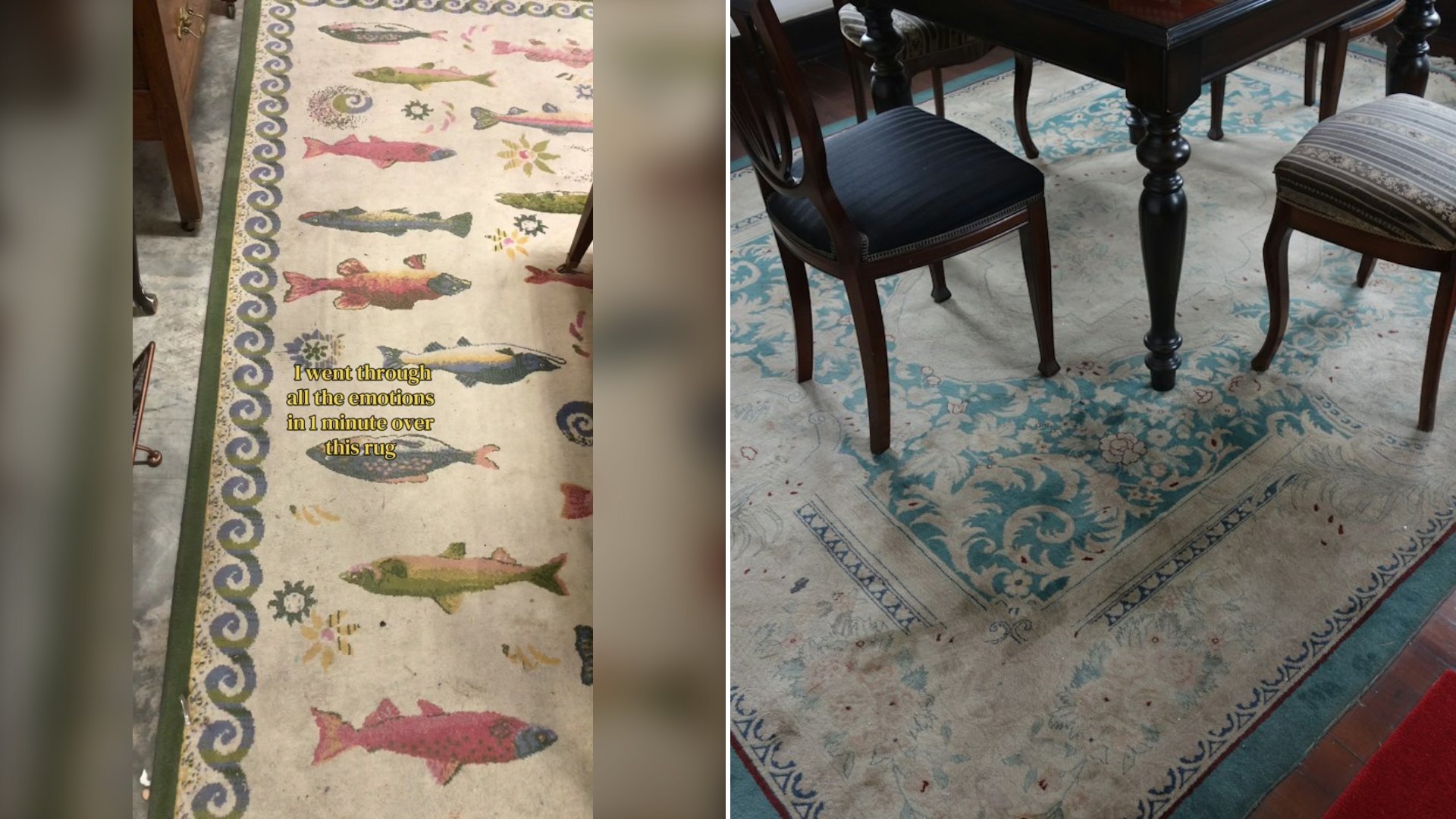
“I’ve thought about this rug every single day,” she wrote alongside her short video, adding a sheepish face emoji. “I think I’m supposed to go back and get it…”
The clip is set to music, with no narration. She simply shows the rug she passed on, the one that has been living in her head ever since, and leaves everyone to decide whether she made a mistake. She tagged it vintage, rugs, antique store, thrift finds and home decor, which tells you exactly the kind of daydream she is stuck in: picturing it on her own floor.
It is a small story, but it hits a nerve with anyone who has ever said “I’ll think about it” in an antique mall and then lain awake that night doing exactly that. Antique shopping is different from buying a new sofa off a showroom floor. There is usually only one of the thing you love. If someone else falls for it while you are thinking it over, it is gone for good.
@caitlynlbland
Still, walking away is not always the wrong call. A rug is a bigger commitment than a teacup. It has to fit the room, the budget and the way a household actually lives, with pets, grandkids and muddy shoes included. The trick is knowing whether the thing you keep thinking about is a true find or just a pretty face. Here is how to tell, and how to make sure you do not end up with the same regret.
How to Size Up a Vintage Rug in the Store
Flip a corner over. The back of a rug tells you more than the front. On a hand-knotted rug, the pattern on the back looks nearly as crisp as the front, and you can often see slight irregularities in the rows of knots. A machine-made rug tends to have a perfectly uniform grid on the back, and many have a stiff backing or a layer of glue.
Check the fringe. On a genuine hand-knotted rug, the fringe is usually the ends of the warp threads that run through the whole rug. If the fringe is sewn or glued on as a separate strip, the rug is very likely machine-made.
Look for wear, moth damage and repairs. Some wear is expected in an older rug and can add character. Bare patches where the knots show through, holes, crumbly edges or areas where the pile seems eaten away are another story. Moths love wool, and moth damage can keep spreading. Check the back and along the edges, where it often hides.
Give it a sniff. Musty or sour smells can point to water damage, mildew or pet accidents that soaked into the foundation. Those can be expensive or impossible to fully clean.
Bring measurements. Before you go shopping, measure the rooms where you might put a rug and keep the numbers in your phone. A common rule of thumb is that in a living room, the front legs of the furniture should sit on the rug. In a dining room, a rug should be large enough that chairs stay on it when pulled out.
What to Do When You Cannot Stop Thinking About It
If you are in the same spot as @caitlynlbland, a few steps can turn that nagging feeling into a decision.
Call the store. Antique malls and shops will often tell you over the phone whether an item is still there. Many will also hold a piece for a day or two, or longer with a small deposit. It costs nothing to ask.
Ask about the price. Many antique booth dealers expect a little negotiation and have some room built in, especially on larger items that take up a lot of floor space. Ask politely whether they can do any better on the price. The worst answer is no.
Use the overnight test. Some collectors swear by a simple rule. If you are still thinking about something the next morning, it is probably worth going back for. If it has slipped your mind by lunchtime, it was a passing crush. Thinking about a rug every day, as she says she has, is a pretty clear answer.
Know the return policy. Most antique shops sell items as is with no returns. Before buying something large, ask whether that applies, and get a receipt that describes the item.
Caring for a Vintage Rug Once You Bring It Home
If you do take the plunge on an older rug, a little care keeps it going for decades more.
Use a quality rug pad underneath. It keeps the rug from sliding, cushions the fibers and reduces wear. Vacuum regularly, but turn off or raise the beater bar, which can tug at the fibers and fringe of a delicate rug. Rotate the rug every six months or so, so sun and foot traffic hit it evenly. Keep it out of strong direct sunlight if you can, since older natural dyes may fade over time.
For a deep clean, especially on a rug that might be valuable, a professional rug cleaner who works with hand-knotted rugs is the safest bet. Home shampooers can leave too much water behind and cause dyes to bleed.
As for @caitlynlbland, her caption says it all. She thinks she is supposed to go back and get it. Anyone who has ever let the one that got away slip through their fingers would probably tell her the same thing: go back before someone else does.
More From Vinyl and Velvet
- Woman Finds an 1800s Hand Painted German Marriage Cabinet on Facebook Marketplace Ten Minutes From Her House and Says It Might Be Her Favorite Marketplace Find to Date
- Big Mistake to Skip These Vintage Finds While Thrifting According to Dr Lori Who Names China Glass Jewelry and Paintings
- Couple Buys the Contents of an Antique Store That Has Been Abandoned for Twenty Five Years

Leave a Reply