

You spot a pretty chain at an estate sale, flip over the clasp, and there it is: a tiny stamp that says 925. Your heart does a little jump. Sterling silver, and priced like costume jewelry. You pay and walk out feeling like a genius. Then comes the question that trips up a lot of buyers: does that little stamp actually mean what you think it means?
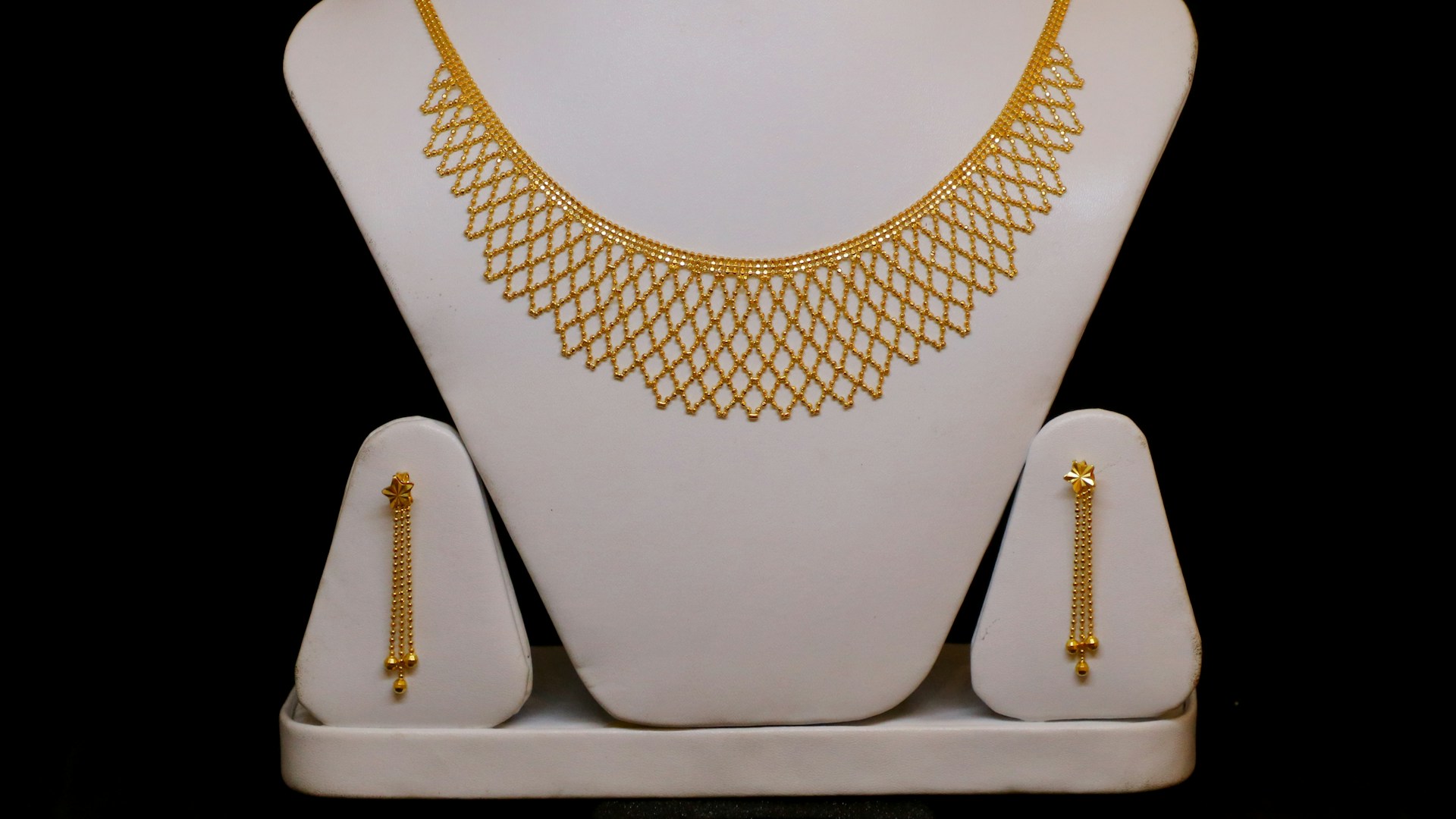
Jewelry stamps are one of the most misunderstood parts of vintage shopping. Some of them are honest and useful. Others are easy to misread, and a few are placed on pieces that are not what the stamp implies. The good news is that you only need to learn a handful of marks to protect yourself.
What the Silver Marks Really Say
Sterling silver is an alloy that is 92.5 percent pure silver, with the rest usually copper. That is where the number 925 comes from. You may also see the word “sterling” spelled out, or the letters STER. Those are the marks you are hoping to find on silver.
Other silver marks tell a different story. A stamp of 800 means the metal is 80 percent silver, which is lower than sterling but still real silver. Marks like EP, EPNS or “silver plate” mean the piece is a thin layer of silver over a base metal. EPNS stands for electroplated nickel silver, and the base metal there is a nickel alloy that contains no silver at all. Plated pieces can be lovely and collectible for their design, but they are not worth the price of solid silver, and the plating can wear through at the edges and high points.
Gold Marks Are Where Buyers Get Fooled
With gold, the letters matter just as much as the numbers. Karat marks such as 10K, 14K and 18K describe how much of the metal is gold. Pure gold is 24 karat, so 10K means ten parts gold out of twenty-four, a little over 40 percent. A 14K stamp means fourteen parts out of twenty-four. Solid karat gold is real gold all the way through.
Then come the lookalikes. GF means gold-filled, a layer of gold bonded to a base metal with heat and pressure. Gold-filled is a step up from ordinary plating and can hold up for years of wear, but it is not solid gold. RGP means rolled gold plate, a similar idea with a thinner layer. You may also see GP for gold plated, GEP for gold electroplate and HGE for heavy gold electroplate. Notice how many of these start with a 10K or 12K style number, just like a solid gold piece would. A stamp reading something like 12K GF is a very different thing from a stamp reading 12K alone, and a quick glance can blur the two together.
The simple habit that saves money is to read the whole stamp, every letter, with a magnifier. If you see a number followed by extra letters, treat it as a clue that the piece is gold-filled or plated, and price it that way.
Why a Stamp Alone Is Not Proof
Here is the part that surprises people. A stamp is only a marking on the metal, and it does not guarantee what is underneath. Marks can be misread, worn down, or stamped on pieces that are plated, mislabeled or altered. A mark is a starting point, not a verdict.
A mark that sits next to a maker’s mark or trademark is generally a better sign than a lone number with nothing around it. Many reputable makers stamped their name or initials beside the quality mark. That does not make the piece automatically genuine, but it gives you something to research.
The Acid Test Caution
You may have heard about the acid test, where a jeweler or a hobbyist scratches the piece on a stone and applies a drop of testing acid to see how the metal reacts. It is a real method, and jewelers use it. It also deserves some caution for home use.
- The acids are corrosive and can burn skin and damage surfaces, so they are not a casual kitchen experiment.
- Testing means scratching or marking the piece, which can lower the value of something delicate or collectible.
- A plated piece can fool you, because a light surface scratch may only touch the outer layer. A proper test goes through to the metal underneath, which is exactly the kind of damage you do not want on a piece that turns out to be valuable.
- Testing a piece you do not own, or one you are thinking of buying, is not something a seller will usually allow.
If a piece is worth real money to you, a better route is to have a jeweler test it. Many jewelers use X-ray fluorescence equipment that reads the metal without scratching it, and some will test items for a modest fee.
Smart Habits Before You Pay
Start by looking for signs of wear in the wrong places. If the color changes at the corners, edges or clasp and a different metal shows through, that is a sign of plating. A piece that is heavy or light for its size can also be a clue, though it is not proof on its own.
Next, think about the price. If a seller is offering a piece marked 925 or 14K at a price that seems too good to be true, ask yourself why. Sometimes an estate seller really does not know what they have, but often the price reflects what the piece actually is.
Finally, protect yourself with the paperwork. Ask whether the piece can be returned if a jeweler tests it and the result is not what was described. Get the description in writing on a receipt when you are paying real money. Honest sellers are usually glad to do that, and a seller who hesitates has told you something too.
Vintage jewelry is a joy to hunt for, and plenty of gold-filled and plated pieces are beautiful and worth owning at the right price. The goal is not to avoid them. It is to know what you are buying, read every letter on the stamp, and never pay solid-metal prices for a mark you only half understood.
More Stories You May Like
- Thrift Shop Shares The Magnet And Tap Tests For Spotting Real Silver And Crystal Before You Buy, And Anyone Who Has Overpaid For Glassware Will Want To Know
- Arizona Thrifter Drives Four Hours Round Trip to One Specific Goodwill and Walks In to Find a Whole Display Case Full of Gucci, Chanel and Louis Vuitton
- Big Mistake to Skip These Vintage Finds While Thrifting According to Dr Lori Who Names China Glass Jewelry and Paintings

Leave a Reply