

You have seen the listing. The photos are decent, the description is short, and right there in the title is the magic word, rare. Your heart skips. Your thumb hovers over the buy button. Hold on a minute.
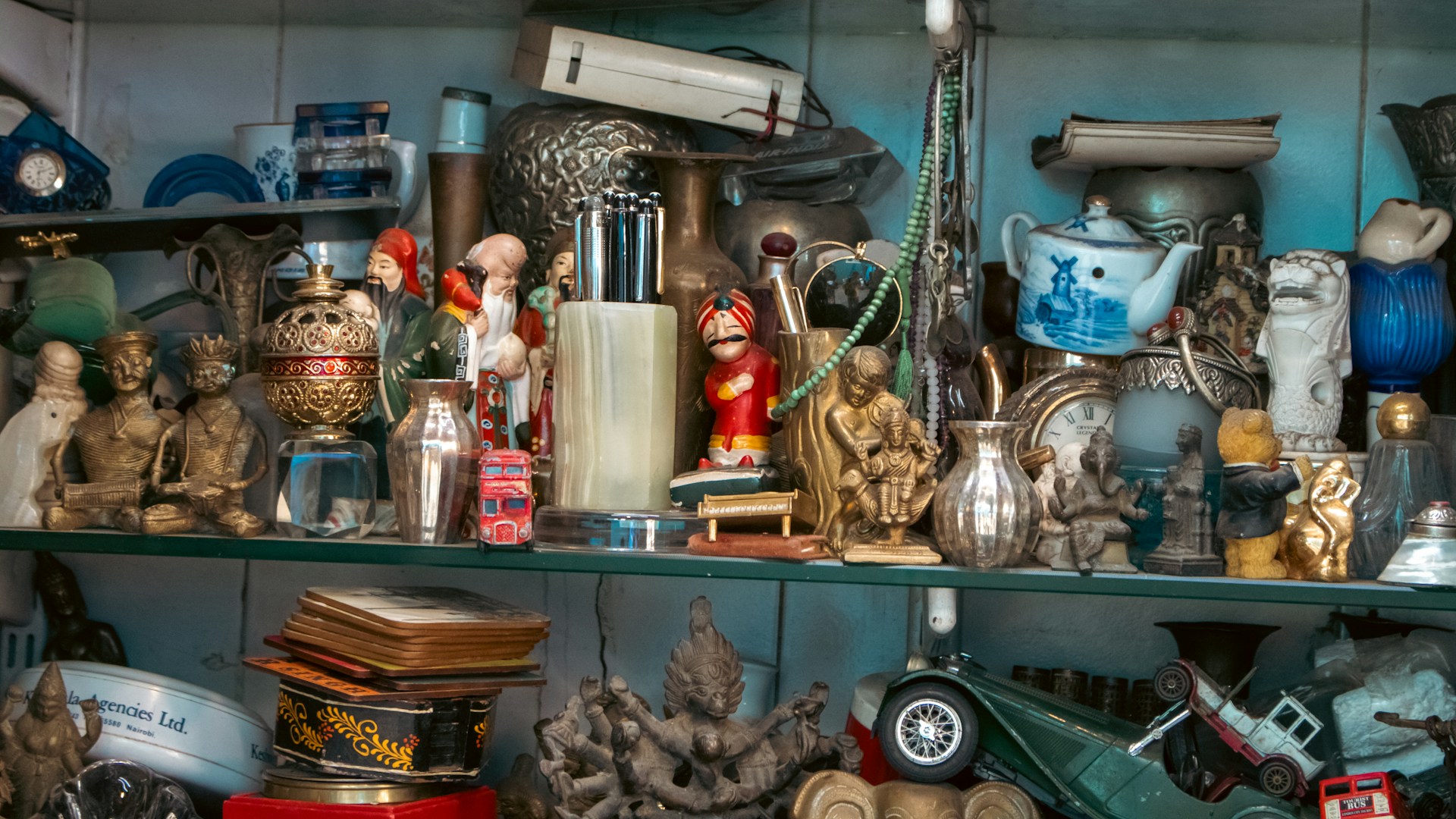
The word rare costs a seller nothing to type. Anybody can put it in a title, whether the item is truly hard to find or simply something they have not seen in a while. It is one of the easiest ways to make an ordinary item sound like a treasure, and it works on shoppers every single day.
Rare Is Not the Same as Valuable
Here is the part that surprises people. An item can be rare and still not be worth much. If few people ever wanted it in the first place, being hard to find does not add up to a big price. Value comes from demand, which means how many people want something compared to how many are available.
The reverse is true as well. Plenty of everyday items are common and still sell for good money because collectors keep chasing them. So the label tells you almost nothing. What matters is what real buyers are actually willing to pay.
Asking Price Is Just a Wish
A price on a listing is simply what the seller hopes to get. It might be fair. It might be wildly optimistic. It might have been sitting there for ages because nobody will pay it. Looking at a handful of active listings with high prices can give you a false picture, because those items may never have sold at all.
That is why savvy buyers and sellers focus on what has sold. A sold price is proof that a real person paid that real amount.
How to Check Sold Listings
Most major online marketplaces let you search for sold or completed items, though the exact steps differ from site to site. On many of them it is a filter you can switch on after you search. Here is a simple way to use it.
- Search for the item by its key details. Use the brand, model, pattern, size or any marks on it.
- Turn on the sold or completed filter. This hides items that are only being offered and shows ones that actually found a buyer.
- Compare several examples. One sale can be a fluke. A few sales near the same price tell you more.
- Match condition carefully. A damaged one and a mint one are not the same thing, so compare like with like.
- Notice what is missing. If you cannot find any sales at all, that is a clue too. It may mean the item rarely sells, or that you have not searched with the right words.
Watch for These Red Flags
When a listing leans hard on the word rare, take a closer look at everything around it.
- The seller uses words like rare, vintage or collectible but gives few real details
- Photos are blurry, stock images, or do not show markings and flaws
- The price is far above anything you can find that has sold
- The listing pushes urgency, such as saying you must buy now
- There are no maker marks, model numbers or other facts you can check
None of these automatically means something is wrong. But together they are a good reason to slow down and do your homework.
Do a Little Homework First
A few extra minutes can save real money. Look the item up in a reference book or on a collector website for its category. Check whether the maker is known and whether the markings match. Collector forums and clubs are often full of friendly people who love sharing what they know, and they can tell you in a minute whether something is truly uncommon or just oddly worded.
If you are buying in person at a flea market, estate sale or antique mall, you can do the same thing from your phone while you stand there. Pull up sold listings before you pull out your wallet.
Set Your Own Limit
Once you know the going rate, decide your top price before you bid or buy. It is easy to get swept up, especially when a listing makes you feel like you found something special. Having a number in your head keeps excitement from doing the spending for you.
And if the price is higher than sold listings suggest, it is perfectly fine to walk away. Another one will almost always turn up, often cheaper. Patience is one of the best tools a collector has.
The Bottom Line
Rare is a word, not a guarantee. Before you pay what the seller is asking, check what similar items have actually sold for, compare condition, and trust the facts over the hype. Your wallet will thank you, and you will be a lot harder to talk into overpaying.
More Stories You May Like
- Thrift Shop Shares The Magnet And Tap Tests For Spotting Real Silver And Crystal Before You Buy, And Anyone Who Has Overpaid For Glassware Will Want To Know
- Woman Explores Her 101 Year Old Grandmother’s House and Finds Spices From 1974, Tooth Powder, Band Aids From the 80s and a Vintage Fisher Price Toy
- Record Collector Blind Buys Boxes Of Records And Finds A Rare Derek And The Dominos Layla Test Pressing Hidden In The Pile

Leave a Reply