

Imagine finding a vintage Barbie in what looks like a pristine box, with a seller’s note that reads “new old stock.” The doll’s hair is perfect, the outfit is crisp, and the price is higher than you planned but tempting. You tell yourself it is a once in a lifetime find. Then, weeks later, a more experienced collector takes one look and points out that the outfit does not belong to that doll, or that the box was never made for that release.
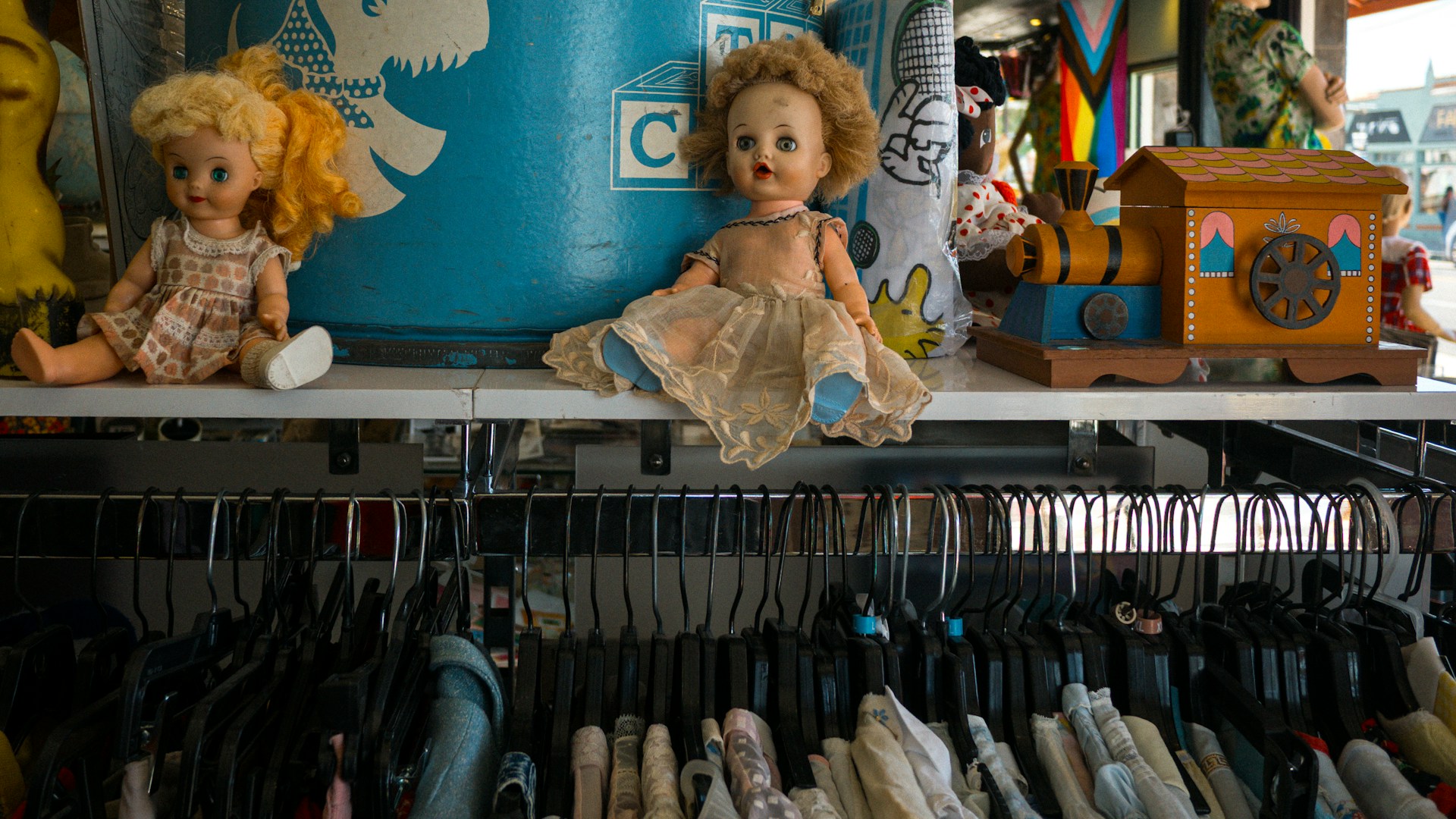
It happens more than most people realize. Vintage toys and Barbie dolls are popular, and where there is demand, there are sellers who mix, match, and repackage items to make them more valuable. Learning a few simple checks can save you from paying top dollar for a doll that is not what it claims to be.
What “new old stock” really means
The phrase “new old stock” is meant to describe an item that was made long ago but never sold or used, so it has been sitting in storage ever since. A true example can be wonderful and valuable. But the phrase is not regulated, and anyone can type it into a listing. It does not prove the item is untouched, original, or complete. Treat it as a claim to verify, not a guarantee.
How swapped outfits happen
Dolls often came with specific outfits, shoes, and accessories. Over decades, those pieces get separated, lost, and mixed up. A seller, or a previous owner, may dress a doll in an outfit from a different release, or place a doll in a box that held something else. Sometimes it is an honest mistake by someone who did not know the details. Other times it is done on purpose to make a doll look like a rarer or more complete set.
Because there are so many dolls and outfits from so many years, it is easy to see how mistakes slip in. That is exactly why a careful buyer checks details instead of trusting the box.
Why replica boxes are a problem
Reproduction packaging exists. Some replica boxes are sold openly as display pieces or replacements, and that is fine when the seller is upfront. The trouble comes when a reproduction box is used to dress up a doll as a boxed original. A new box can make an old doll appear to be in factory condition, which can boost the price a great deal.
Check the tags
Tags and labels are among the best clues you have. Here is where to look.
- Clothing tags and labels. Original outfits often have tags or labels sewn in with specific wording and style. Compare them to photos in trusted collector guides. Labels that look too crisp, too modern, or oddly printed deserve a second look.
- Fabric and stitching. Older garments were made with materials and sewing methods typical of their time. Very modern looking fabric, glued trim where stitching should be, or sloppy workmanship can be red flags.
- Doll markings. Dolls generally carry stamped marks on the body that identify the maker and give copyright information. Make sure the markings match what a reference guide says for that release.
- Shoes and accessories. Small pieces such as shoes, purses, and jewelry are the easiest items to swap. Compare the style and color against the original set.
- The box itself. Look at printing quality, colors, logos, and wording. Check for glue that looks too fresh, new tape, or signs that the box was opened and resealed. Dolls were attached to their packaging with specific ties and supports, so odd fastenings can be a warning sign.
- Whether doll and box match. Check that the doll in the box is the same one pictured and named on the packaging, including hair style, makeup, and outfit.
Do your homework first
Before you spend serious money, learn about the exact doll you want. Collector guides, museum-quality reference books, and reputable collector communities can show you what an original outfit, tag, and box should look like. Compare photos side by side. The more you know, the less likely you are to be fooled.
Questions to ask the seller
- Is the doll, outfit, and box all original together? How do you know?
- Where did the item come from, and has it ever been opened or restored?
- Can you send clear photos of the tags, the body markings, and the inside and outside of the box?
- What is your return policy if an expert finds a problem?
An honest seller will not mind these questions. If someone gets defensive, vague, or pushy, treat that as information.
Protect yourself when buying online
Online listings make it harder to inspect things, so read the description carefully and zoom in on every photo. Be wary of photos that look recycled, blurry, or taken from far away. Ask for extra pictures if needed. Use a payment method that offers buyer protection, and keep records of the listing and your conversations. If the price seems far lower than similar items, ask yourself why before clicking buy.
Know what you are paying for
Not every imperfection means a doll is a bad purchase. A doll with a replacement outfit or a replacement box can still be lovely to display, as long as it is priced as such. The goal is to avoid paying the price of a complete original for something that has been pieced together. If the seller tells you the truth, you can decide whether the deal is fair.
The bottom line
Collecting should be fun, not stressful. Check every tag, compare the box and the doll, ask plenty of questions, and trust your research over a hopeful label. When everything lines up, you can buy with confidence. When it does not, walk away and wait for the next one. There is always another doll.
More Stories You May Like
- Thrift Shop Shares The Magnet And Tap Tests For Spotting Real Silver And Crystal Before You Buy, And Anyone Who Has Overpaid For Glassware Will Want To Know
- Her Favorite Thrift Store Went 50 Percent Off, So She Waited On Fenton Cranberry Glass She Passed Days Earlier, And It Paid Off
- She Paid $5 For A Thrift Store Painting, Turned It Over, And The Label Led Her To A 1964 Art Contest Open Only To Utility Company Employees

Leave a Reply