

Walk through almost any mall or scroll through any online shop and you will find clothes labeled retro, vintage-style or throwback. A swing dress with a polka dot print, a high-waisted pair of jeans, a boxy band tee that looks like it spent years in a drawer. They are cute, and many are well made. But they are not vintage. They are new clothes inspired by the past, and the difference matters if you are paying vintage prices or hoping to find a real piece of fashion history.
The word vintage generally refers to clothing that was actually made in an earlier era. Many sellers and shoppers use it for pieces that are at least a couple of decades old, while retro describes new items styled after the past. Because those terms get blurred in marketing, it pays to know how to read the clues on the garment itself.
Start With The Label
The label is your first and best clue. Check the neck, the side seam and the waistband. Older garments often have woven labels with simple designs, brand names that may no longer exist and sometimes a hometown or city. Newer garments tend to have a long printed label with fiber content, care instructions, country of manufacture and a size system, often in several languages.
Care labels are a helpful hint. Washing instructions sewn into garments became standard later in the century, so a piece with no care label may be older. Be careful, though, because people often cut labels out of clothes that scratch, so a missing label alone proves nothing. Likewise, a new brand can sew in a fake retro-looking label on purpose, so look at the label together with everything else.
Union labels are a classic American clue. Many garments made in the United States in the past carried a label from a garment workers union. If you find one, it points to domestic manufacturing, though it does not tell you the exact year on its own. Fashion fans often look up the style of the label and compare it to reference guides to narrow the date.
Feel The Fabric
Fabric tells you a lot. Vintage pieces often use natural fibers like cotton, wool, silk and rayon, and also older synthetics that behave differently from modern blends. The hand of the fabric, meaning how it drapes and feels, can be heavier and denser than thin modern material. A genuine older cotton may feel crisp and substantial, while a retro-style lookalike may feel thin, stretchy and slightly shiny.
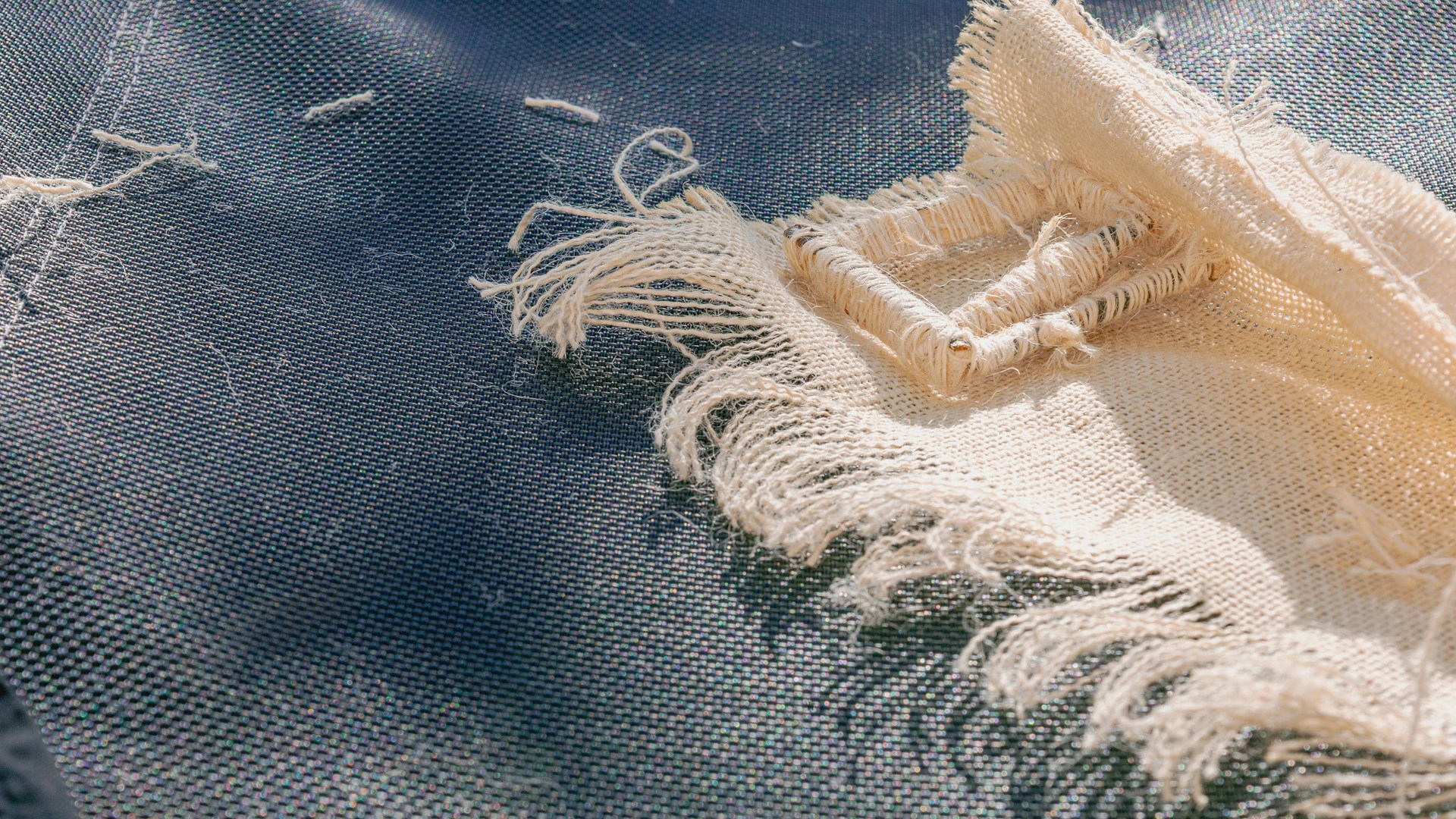
Look at how the fabric has aged. Real age shows in gentle ways, such as softened fibers, slight fading along folds, small mends or a faint smell from long storage. Fake aging looks different. Artificial distressing often appears in neat, repeated patterns, like scuffing in the same spots on every garment, or uniform fading that looks sprayed on.
Inspect The Stitching And Hardware
Turn the garment inside out. Seams are where construction habits show. Many older garments have wider seam allowances, hand-finished hems and neat inside edges, while modern fast fashion often has narrow, serged seams and loose threads. Hand stitching, such as a hand-sewn hem or sewn-on hooks, can be a sign of an earlier era or of a higher-quality piece.
Zippers are another helpful clue. Metal zippers were common in older clothes, and side zippers on dresses and skirts appear in many older designs. Modern clothes often use nylon zippers, though metal ones are still used, especially in jeans. Check the zipper pull for a brand name and compare it with references. Buttons also vary. Older buttons may be glass, shell, bone-like material or early plastics, while new garments often have uniform, lightweight plastic ones.
A Quick Checklist
- Check for a woven label, an older logo style and a union label.
- Look for a care label. Its absence is a hint, but not proof.
- Feel the fabric and compare the weight with a modern version.
- Inspect the seams inside and look for wide allowances and finished edges.
- Check the zipper, buttons and snaps for style and wear that matches the era.
- Smell and look for genuine age rather than staged distressing.
Compare The Price Honestly
A retro piece from a retail store usually costs what a new garment costs. Real vintage can be priced lower or higher depending on condition, brand, rarity and demand. The problem arises when a seller charges a vintage premium for something that is actually new. If a dress is described as a genuine piece from a past decade but shows modern labeling and thin stretchy fabric, the price should reflect a new garment, not a collectible.
Ask sellers what they know about the piece. Honest vintage dealers can usually tell you about the era, the label and the condition, and many will happily point out flaws. Vague answers or a quick change of subject can be a warning sign.
It Is Fine To Love Both
None of this means retro-style clothing is bad. Many shoppers choose it because it fits modern sizing, is easy to wash and will not fall apart on the first wear. Real vintage can be delicate, may fit differently from today’s sizes and sometimes needs repairs. The point is not to look down on one or the other. The point is to know what you are buying.
Before you shop, measure yourself, because vintage sizes do not match modern sizes. Bring a tape measure and check bust, waist and length against the garment laid flat. Inspect for stains, underarm discoloration, weak seams and moth holes. A few minutes of checking can turn a risky purchase into a confident one, and it can help you find the real thing instead of a clever copy.
More Stories You May Like
- Big Mistake to Skip These Vintage Finds While Thrifting According to Dr Lori Who Names China Glass Jewelry and Paintings
- Shopper Never Skips the Fifty Percent Off Day at an Estate Sale and Walks Away with a Dream Vintage China Set
- Seamstress Rips Apart A Thrifted Nightgown And Sews It Into A Retro 1970s Style Skirt And Top Set With An Oversized Collar And A Hand Sewn Hem

Leave a Reply