

If you have a shoebox of little die-cast cars in the closet, you may have felt your blood pressure rise when a viral post started making the rounds. The post set an old Hot Wheels car beside a new one and claimed that quality has completely collapsed. Collectors and parents who grew up on those cars were quick to agree. It turns out the story is a lot more complicated, and the real numbers are worth a look.
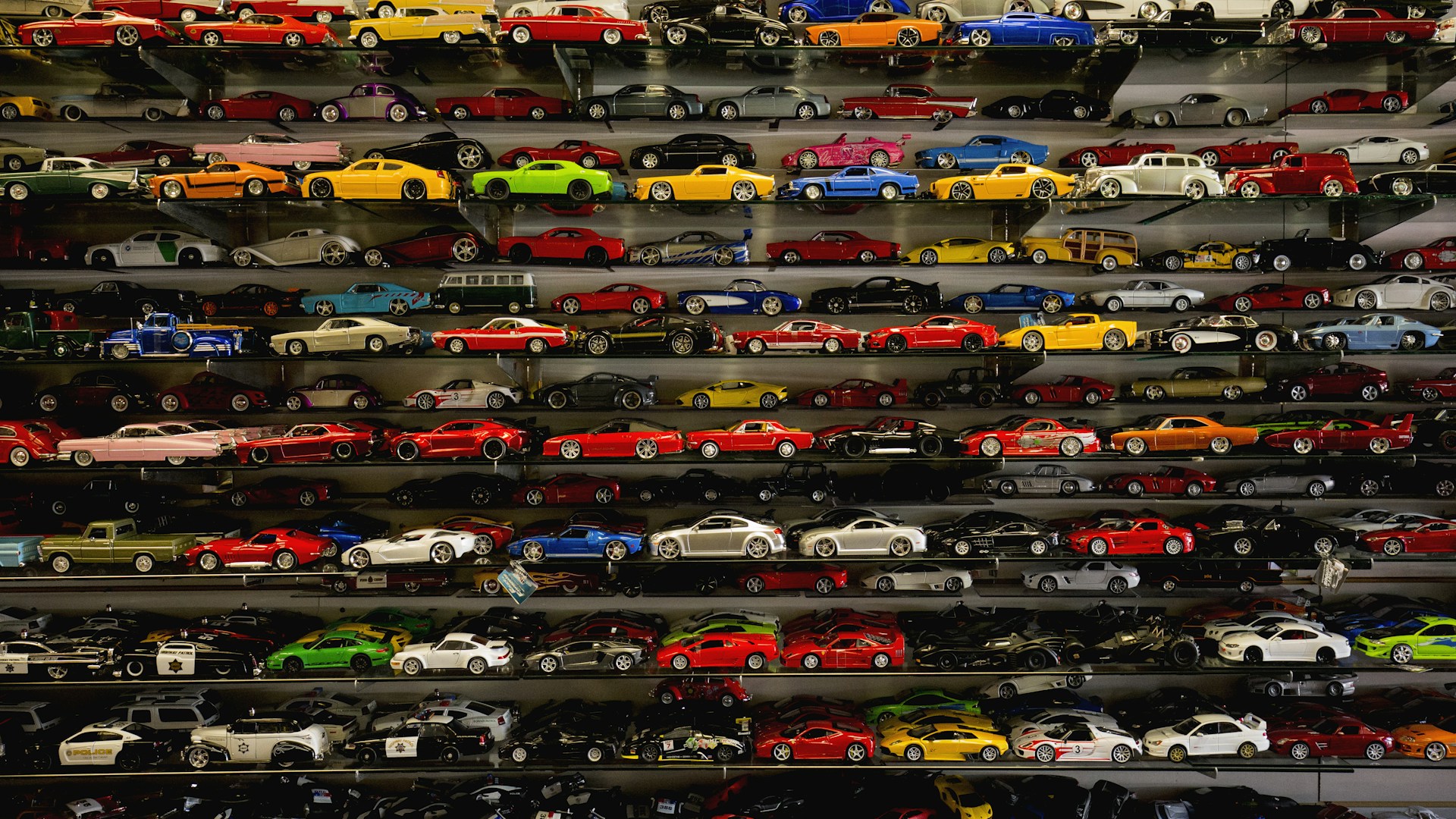
According to a report from The Drive, written by Adam Ismail and published October 20, 2026, the viral comparison was computer-generated. In other words, the side-by-side picture that had people fuming was not a straightforward photo of a real old car next to a real new one. The author also concluded that overall quality has actually improved, even if the cheapest cars in the lineup have less going on underneath.
That is a very different story from the one that was flying around social media, and it is a good reminder to slow down before sharing something that makes you mad.
What a Hot Wheels Car Costs Now
Here is the part that surprised a lot of folks. The Drive reports that a mainline Hot Wheels car costs about $1.30 today. Back in 1982, the same kind of car cost about 93 cents.
At first glance that looks like a price hike, and plenty of us remember when a dollar bought you a car and change. But money is not worth what it used to be. The article notes that 93 cents in 1982 comes to about $3.25 in today’s dollars. Put another way, the car on the peg today costs well under half of what that 1982 price would be once you account for inflation.
That is the kind of comparison that rarely makes it into an angry post. A dollar-and-change toy that has stayed close to a dollar for decades is, in a real sense, one of the better bargains in the toy aisle.
So Is Anything Actually Different?
Before anyone declares the whole thing a hoax, the report does admit a fair point. The author says mainline cars today have less underside detail than some of their older cousins. If you flip a modern budget car over, you may find a plainer bottom than you remember. That is a real difference, and collectors who care about the little details are right to notice it.
But less underside detail is a long way from a quality collapse. The report’s overall verdict is that quality has improved. It is also worth remembering that the cars you loved as a kid have had decades to build up a glow in your memory. Nostalgia is powerful, and it tends to make everything from the old days look better than it was.
How to Check Before You Share
This little episode is a handy lesson for anyone who spends time online, especially around hobbies and collectibles. A few simple habits can save you from passing along something that is not true.
- Look for the original source. If a post does not say where its photos came from, be wary. Ask who took the pictures and when.
- Check the money. When a post complains that prices have gone up, compare the old price in today’s dollars. A free online inflation calculator makes it easy, and the answer is often not what the post wants you to think.
- Be suspicious of perfect outrage. Posts built to make you angry tend to travel the farthest. If it seems designed to set you off, take a breath first.
- Trust your own eyes. If you own both the old and new versions, put them side by side on the kitchen table and judge for yourself.
What This Means If You Collect
If you are shopping for a child or grandchild, the good news is that a handful of dollars still goes a long way in the Hot Wheels aisle. A pocketful of cars at about $1.30 apiece is still one of the cheaper ways to put a smile on a kid’s face.
If you are a collector hunting for details, it makes sense to pay close attention to what a car looks like in person rather than trusting a viral picture. The underside, the paint and the wheels are all things you can inspect yourself before you buy. And if the mainline cars are a little plainer than the premium versions, that is part of why they cost what they do.
Old toys deserve to be remembered fondly, and there is nothing wrong with feeling a pang when you see a car from your childhood. Just keep in mind that the next time a post tells you everything is worse than it used to be, the facts may tell a calmer story. In this case, the little car that cost 93 cents in 1982 has a modern cousin that costs about $1.30, and that is a far better deal than the internet wanted you to believe.
More Stories You May Like
- Ten More Weird Defunct Candy Bars That Nobody Remembers Prove Your Childhood Snacks Are Gone for Good
- Ruined Mid Century Modern Dresser Gets Brought Back to Life in a Transformation That Shows What Furniture Is Worth Saving
- Thrifter Who Almost Skipped A Small Town Thrift Store While Driving Through Finds The Vintage Coach Purse She Had Been Waiting For

Leave a Reply