

You open a cedar chest or a dusty box at an estate sale and there they are: beautiful old tablecloths, embroidered pillowcases, and lace-edged napkins. Then you notice the trouble. A scattering of orange-brown rust spots here, a creamy yellow tint creeping across a pale cloth there. Your first instinct is to grab the strongest stain remover in the house and go to work.
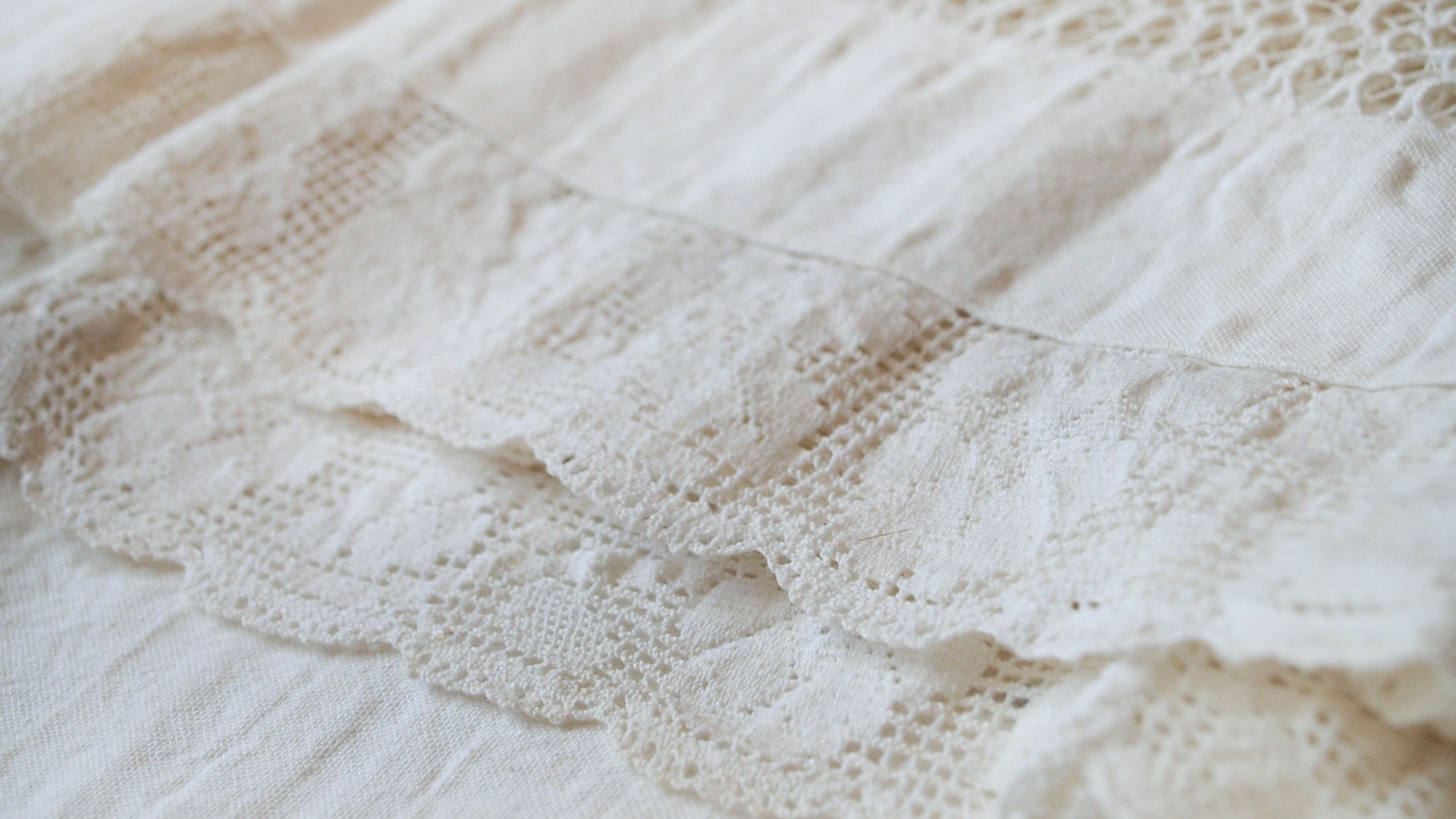
Hold that thought. When it comes to vintage linens, the wrong stain remover can do far more harm than the stain ever did. Fabric that has survived for decades can be undone in a single afternoon by a harsh product or hot water, and some mistakes cannot be reversed.
Why old linens are so fragile
Vintage linens are made from natural fibers such as cotton and linen, and those fibers age. Over time they can become dry, weak, and brittle, especially if they were stored in a damp place, folded along the same lines for years, or kept against wood or cardboard. Embroidery threads and old dyes can also be less stable than modern ones, so colors may run when the fabric gets wet. Treat every piece as if it is more delicate than it looks.
What causes rust spots and yellowing
Rust spots often come from tiny bits of metal, such as a pin, a snap, or a hook, that touched damp fabric and corroded. Yellowing and brown spotting can come from age, from storage in acidic materials like cardboard or newspaper, from leftover starch or body oils, or from long exposure to heat and light. Knowing the likely cause helps you pick a gentle approach, but you often cannot be certain, which is one more reason to go slowly.
The biggest mistakes to avoid
- Chlorine bleach. This is the number one mistake. Chlorine bleach weakens old fibers and can turn a rust spot into a permanent, darker stain. It can also leave the whole piece yellow and fragile. Keep it away from heirloom cloth.
- Hot water. Heat can set some stains and make dyes run. Stay with cool or lukewarm water for old textiles.
- The washing machine and dryer. Agitation and tumbling stress weak fibers and lace. High dryer heat can lock a stain in for good.
- Scrubbing hard. Rubbing or brushing roughly can wear a hole in thin fabric or ruin the surface of an embroidered area.
- Harsh rust removers. Some store-bought rust products are strong chemicals that can damage cloth if used the wrong way. They also should never be mixed with other cleaners.
- Ironing over a stain. Heat can set a stain that was still treatable. Ironing old linen should be done carefully and only on clean cloth.
- Skipping the test. Any cleaner, even a gentle one, can behave differently on old dyes. Always test first.
Gentle soaking basics
If a piece is sturdy and the colors seem stable, a careful soak is the usual starting point. Here is a simple approach many textile lovers follow.
- Test a hidden spot, such as an inside hem, with a drop of water and a dab of your cleaner. Press with a white cloth. If any color shows up on the cloth, stop.
- Fill a clean basin or a clean tub with cool water. Distilled water is a good choice if your tap water is hard or has a lot of minerals, since minerals and rust-colored water can cause new staining.
- Add a small amount of a mild, gentle detergent, or a product made for delicate fabrics. Many people also use an oxygen-based whitener rather than chlorine bleach, following the package directions closely.
- Lay the linen in flat and let it soak. Do not twist or wring it. Move it gently now and then by pressing it down with your hands.
- Rinse in several changes of cool, clean water until the water runs clear and no soap remains.
- Lift the linen out with support underneath, since wet fabric is heavy and can tear. Roll it in a clean, white towel to press out the water.
- Dry it flat on a clean towel, away from direct sun and heat.
Be patient. Some stains lighten after one soak, others after several, and some do not budge at all. Checking the cloth between soaks is better than leaving it in for a very long time without looking.
When to leave it alone
Here is the part many people skip: sometimes the wise choice is to do nothing. If the fabric is shredding, if the dye runs in your test, if the piece has delicate lace or a hand-painted design, or if the stain sits on a spot that is already worn thin, stop. A faint spot is part of the story of a handmade item and is often far less noticeable than a hole or a faded patch. Collectors and dealers often value a gently aged piece that has not been over-cleaned more than one that has been scrubbed to look new.
If the linen is special to you, a family wedding cloth for example, consider asking a professional textile conservator or a trusted specialty cleaner who works with antique fabrics. Describe the stain and ask what they recommend before anyone touches the cloth.
Keep new stains from forming
Once your linens are clean, store them well. Use acid-free tissue between folds, wrap them in clean cotton, and keep them in a cool, dry, dark place. Remove any pins or metal bits first. Avoid plastic bags that trap moisture, and refold now and then along different lines to stop permanent creases.
Old linens have lasted this long because someone cared for them. A little patience, cool water, and a gentle touch will help them last for the next generation, rust spots, yellowing, and all.
More Stories You May Like
- Big Mistake to Skip These Vintage Finds While Thrifting According to Dr Lori Who Names China Glass Jewelry and Paintings
- Woman Explores Her 101 Year Old Grandmother’s House and Finds Spices From 1974, Tooth Powder, Band Aids From the 80s and a Vintage Fisher Price Toy
- Shopper Never Skips the Fifty Percent Off Day at an Estate Sale and Walks Away with a Dream Vintage China Set

Leave a Reply