

An old quilt is more than a blanket. It is hours of careful stitching, scraps saved from favorite dresses and work shirts, and a piece of family history you can wrap around your shoulders. So it hurts when one of these treasures turns up faded, stained, brittle, or smelling musty because it was stored the wrong way, or cleaned with the best of intentions.
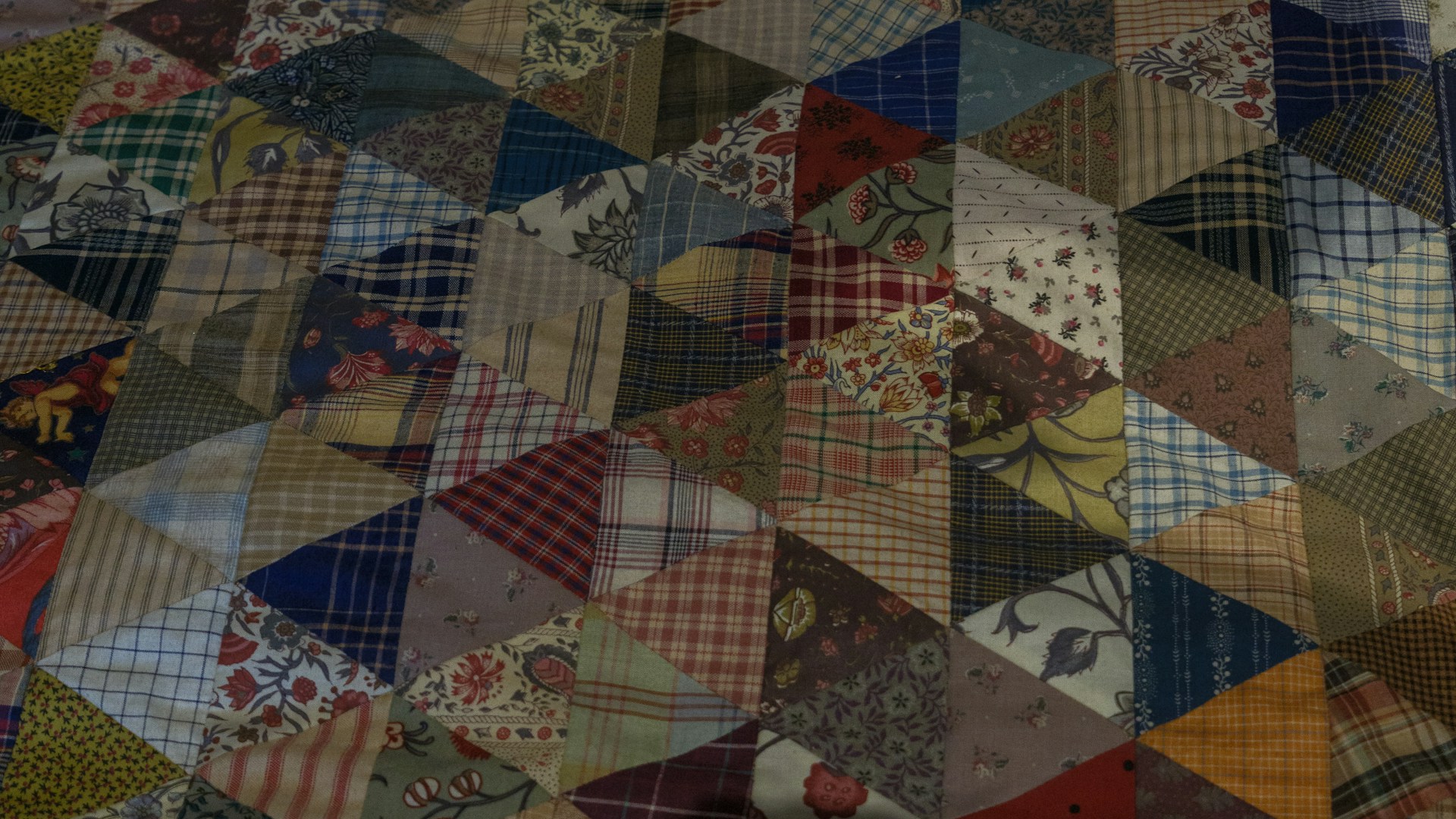
Three of the most common culprits are things almost every household has: the washing machine, a bottle of bleach, and a plastic storage bag. Each one seems sensible. Each one can quietly do real damage to antique fabric.
Here is what goes wrong, and the safer way to look after your family handiwork so it can be passed down for years to come.
Why the washing machine is risky
Modern washers are built for sturdy modern fabrics. An antique quilt is a different animal. Old cotton fibers can be weak with age, thread may be fragile, and the seams that hold hundreds of small pieces together may already be loose. The tumbling, twisting, and heavy weight of a wet quilt can pull at those stitches and tear delicate fabric.
Old dyes are another worry. Some colors in antique textiles were not designed to stay put when soaked and agitated, so one wash can send reds or blues bleeding into the lighter patches. Once color runs into a white section, it can be very hard or impossible to fix. A wet quilt is also much heavier than a dry one, and lifting it out of the machine can put strain on weak areas.
Why bleach is a bad idea
Bleach is harsh on old fibers. Even a small amount can weaken cotton and linen, leave behind yellow or brown blotches, and cause fabric to wear away over time. It can also lighten or alter dyes unevenly, so you end up with spots that look worse than the original stain. Chlorine bleach in particular should stay far away from heirloom textiles. If a quilt has a stain, it is almost always better to leave it alone than to reach for the bleach bottle.
Why plastic bags can cause trouble
Plastic feels like protection because it keeps out dust and bugs. The problem is that it also traps moisture. Fabric stored in sealed plastic cannot breathe, and trapped dampness invites mildew and musty smells. Some plastics can also give off fumes over time that may stain or damage cloth. Fabric needs air to stay healthy, which is why a sealed bag in a hot attic or damp basement is one of the worst places an old quilt can end up.
The safer way to store a quilt
The goal is simple: keep the quilt clean, dry, dark, and supported. Here is how to do it at home.
- Choose the right spot. A closet in the living area of your home is usually better than an attic, garage, or basement, because those spaces swing between hot, cold, and damp.
- Make sure the quilt is clean and completely dry before it goes away. Dust and body oils can attract pests and cause staining.
- Wrap it in a clean, washed cotton sheet or pillowcase instead of plastic. Fabric lets air move through while still keeping dust off.
- Use acid-free tissue paper. Place it in the folds and under the layers. Regular tissue and cardboard can contain acids that stain and weaken fabric over time, which is why acid-free versions are preferred for textiles.
- Avoid sharp, sustained creases. Folding a quilt the same way for years causes the fibers to break along the fold lines. Pad the folds with rolled tissue, and refold along different lines every so often.
- Consider rolling instead of folding. Many textile caretakers suggest rolling a quilt around a sturdy tube covered with acid-free tissue or clean cotton, with the decorated side facing outward.
- Do not store it directly on bare wood or against cardboard, since both can give off acids.
- Check on it a couple of times a year. Open it up, air it in a shaded spot, and look for any signs of moths, mildew, or new stains.
Why museums keep quilts out of the sun
If you have ever wondered why museums keep their textile galleries so dim, here is the reason. Light, especially sunlight, fades dyes and weakens fibers a little at a time. You cannot always see the harm happening, but it builds up. A quilt hung across a sunny wall may look beautiful for a while and then show uneven fading, with the strip facing the window much paler than the rest.
Hanging is also hard on an old quilt because its own weight pulls on the stitching. If you want to display your quilt, rotate it often, keep it away from direct sun and bright bulbs, and spread the weight with a wide, properly padded support. Many people choose to lay a quilt flat on a bed in a guest room with the curtains drawn, which is easier on the fabric than hanging.
What if it already needs cleaning?
For a quilt that is only dusty, a very gentle vacuum through a clean piece of fine screen, using low suction, can lift loose dirt without tugging at the stitches. For a quilt with real stains, smells, or fragile fabric, the safest move is to ask a professional textile conservator for advice before doing anything wet. It costs more than a trip to the laundromat, but it may protect something that cannot be replaced.
A little care goes a long way
You do not need fancy equipment to protect an heirloom. Skip the washer and the bleach, keep the plastic bag away, and give your quilt a cool, dry, dark home with soft cotton and acid-free tissue around it. Do that, and the next generation will get to feel the same stitches you do, and wonder at the hands that made them.
More Stories You May Like
- Couple Buys the Contents of an Antique Store That Has Been Abandoned for Twenty Five Years
- Thrifter Who Almost Skipped A Small Town Thrift Store While Driving Through Finds The Vintage Coach Purse She Had Been Waiting For
- Thrift Shop Shares The Magnet And Tap Tests For Spotting Real Silver And Crystal Before You Buy, And Anyone Who Has Overpaid For Glassware Will Want To Know

Leave a Reply