

You walk into an antique show planning to spend a few dollars, and an hour later you are carrying a cookie jar that looks exactly like your grandmother’s and cost three times what you meant to pay. If that sounds familiar, science has something to say about it.
A peer-reviewed study published in the Journal of Consumer Research in 2014, titled “Nostalgia Weakens the Desire for Money,” looked at what happens to our attitude toward spending when we feel nostalgic. The authors are Lasaleta, Sedikides and Vohs, and the work appeared in volume 41, issue 3.
The team ran six experiments. According to the findings, people who were feeling nostalgic were willing to pay more for products, they valued money less, and they put less effort into obtaining it.
Why This Matters At A Flea Market
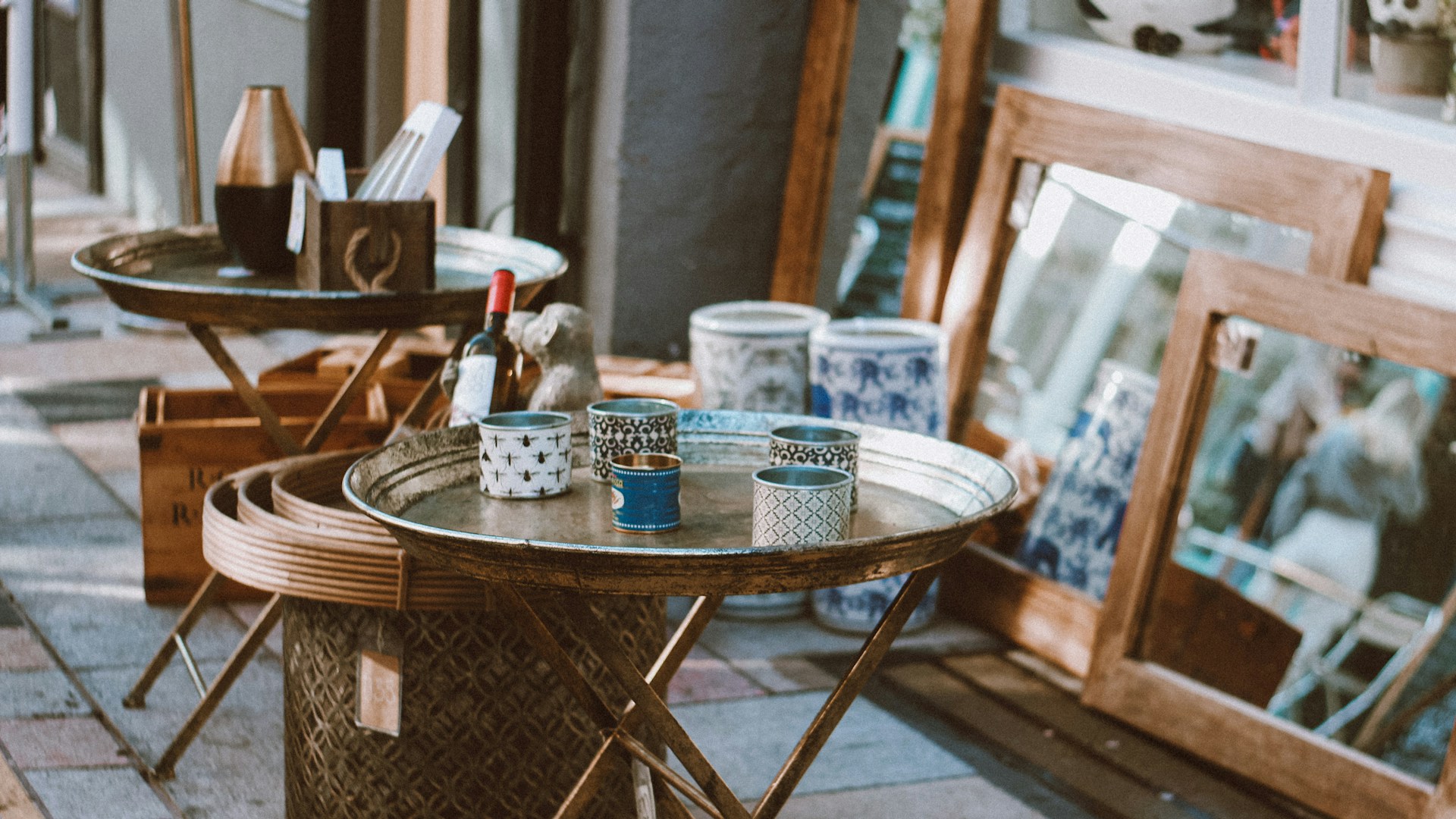
Think about where you are when you shop for vintage goods. A dealer’s table covered in old lunch boxes, a rack of dresses like the ones you wore to a dance, a shelf of records from your teenage years. These places are built to stir up memories, whether or not anyone planned it that way. And the study suggests that when memories flood in, the price tag can start to feel smaller than it really is.
That does not mean nostalgia is bad, or that you should stay home. A cherished piece that reminds you of a happy time can be worth every penny. The point is to notice the feeling and make the decision on purpose, not by accident.
The study’s title states the finding plainly: nostalgia weakens the desire for money. In everyday terms, a shopper who is caught up in a warm memory may treat a price as less important than they would on an ordinary day. Because the journal is peer-reviewed, other scholars reviewed the work before it was published.
Ways To Keep Your Head Around Your Wallet
Knowing that nostalgia can nudge you toward spending more gives you a chance to plan ahead. Here are some simple habits that can help.
- Set a budget before you walk in, and write it down. Bring only that amount in cash if you can.
- Make a short list of what you are truly looking for, and a separate limit for surprises that catch your heart.
- When something tugs at you, pick it up, enjoy the moment, and then walk the rest of the show before you decide. If it is still on your mind an hour later, go back.
- Look at similar items at other booths so you have a sense of fair prices. You will often find the same thing in several places.
- Ask yourself a plain question: would I pay this price if the item had no memories attached? If the answer is no, think hard about whether the memory alone is worth the difference.
- Check the condition carefully. Cracks, missing pieces and repairs matter to the value.
The Friendly Side Of Haggling
Many dealers expect a little conversation about price. You can ask politely whether there is any flexibility, and you can mention a flaw you noticed. The worst that can happen is a gentle no. Just be respectful, because most sellers at these shows love the goods as much as you do.
And if you do find a treasure that speaks to you, buy it with a happy heart. The aim is not to talk yourself out of every purchase. It is to make sure that the price you pay is one you chose with a clear head.
Make A Plan Before You Park The Car
Preparation is your best defense, and it is easier than it sounds. Before you go, spend ten minutes thinking about what you would actually love to find and what it ought to cost. Maybe you collect a certain pattern of dishes, or old postcards, or tin signs. Knowing your target keeps you from being swept up by every pretty thing on every table.
Bring a friend if you can, and choose one who is honest. A good shopping buddy will tell you when a price is high or when a piece has a flaw you missed in your excitement. It helps to agree in advance that the friend is allowed to say, “Let’s walk around once more first.”
Think, too, about the space at home. A piece you adore but have nowhere to put will end up in a closet, and then the money has not bought you the joy you were hoping for. Picture the exact spot where the item would go before you hand over your cash.
Finally, give yourself permission to leave empty handed. Walking away from a deal that was merely nice is not a loss. It leaves money in your pocket for the day you find the piece that is truly right.
A Small Study With A Big Lesson
The researchers reported that nostalgic participants were willing to pay more, valued money less and worked less to get it. Those were the results across their six experiments.
What it offers is a useful bit of self-knowledge. The next time a wave of memories hits at the antique show, you will know what is going on. Take a breath, check your budget, and decide whether that old cookie jar is coming home with you.
Done that way, nostalgia can be what it should be: a pleasure, not a leak in your purse.
More Stories You May Like
- Couple Buys the Contents of an Antique Store That Has Been Abandoned for Twenty Five Years
- Ten More Weird Defunct Candy Bars That Nobody Remembers Prove Your Childhood Snacks Are Gone for Good
- Record Collector Blind Buys Boxes Of Records And Finds A Rare Derek And The Dominos Layla Test Pressing Hidden In The Pile

Leave a Reply