

Nearly every family has one: the piece that has always been in the hutch, the box of dishes nobody was allowed to touch, the ring or clock or sideboard that came down from a beloved relative. When the time comes to sell, the family often walks in expecting a windfall. Then the first offer arrives, and it is a fraction of what anyone imagined. It stings, and it can even cause hurt feelings between relatives. The reason is simple and a little hard to hear: sentimental value is not market value.
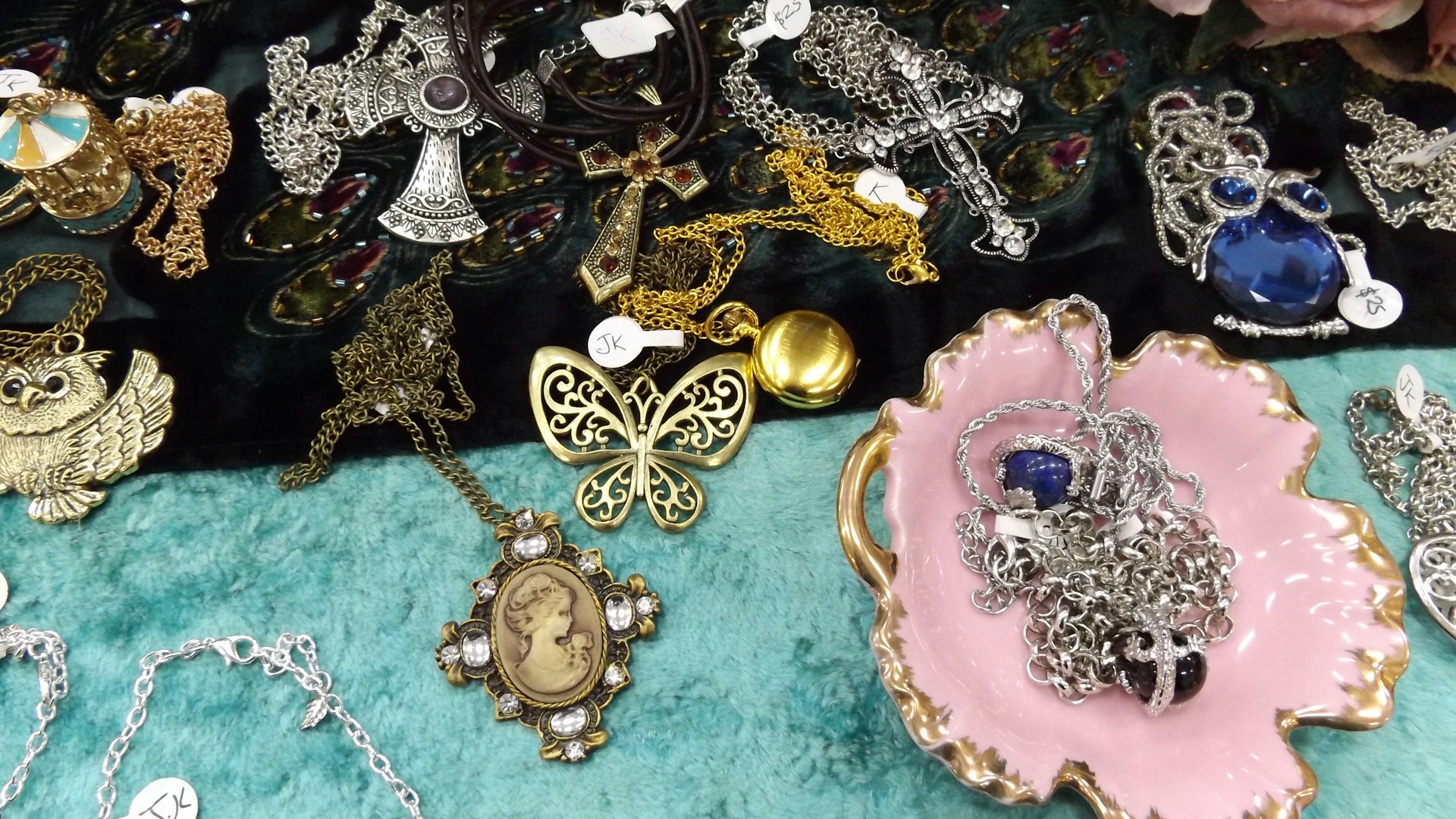
Sentimental value is real. It is built from memories, holidays and the people who owned the thing. But a buyer was not at those dinners. A buyer sees an object, judges its condition, and asks what they could sell it for later. That gap between the story you know and the price a stranger will pay is where most heirloom disappointment lives.
Why Family Treasures Often Sell For Less
Market value is what a willing buyer will actually pay on a given day. It has nothing to do with how long something sat in the family or how much it was cherished. Several things tend to pull heirloom prices down.
- Taste changes. Items that were prized in one generation can be unfashionable in the next. Many families have found that formal china sets, large dark wood furniture and matching silverplate services are tough to sell, because fewer people want to own or store them.
- Condition matters enormously. Chips, cracks, repairs, missing pieces, stains, odors and wobbly joints all push offers down, even when the item has been loved.
- Sets can be broken. A complete set is usually easier to sell than a handful of leftovers.
- Supply is real. If lots of people inherited the same kind of item, buyers have plenty to choose from and little reason to pay extra.
- Selling costs money. Fees, shipping, packing and commissions all come out of what you receive.
Asking Price Is Not Selling Price
One of the most common mistakes is looking at what sellers are asking and assuming that is what items are worth. A listing with a hopeful price tag tells you only what one person wishes to get. What counts is what buyers have really paid.
When you search online marketplaces, look for the listings marked as sold or completed rather than the ones still sitting there. Find pieces that match yours in age, maker, size and condition, because a small difference in any of those can change the price a lot. If the same item has been listed for months with no takers, that is a clue too.
Honest Ways To Price It
- Find out what it is. Look for maker’s marks, labels, stamps and signatures on the bottom or back. Take clear photos of everything, including flaws.
- Check sold prices. Compare your piece only with similar ones that have recently sold, not with the most expensive listing you can find.
- Be honest about condition. Look at it the way a stranger would, in good light. Note every chip and scratch.
- Get a second opinion. A local dealer, an auction house or an appraiser can tell you if you have something special or something sweet but ordinary. Ask how they charge before you agree to anything.
- Know which kind of value you are being given. An appraisal written for insurance purposes is not the same as what the piece will fetch in a quick sale. Ask which one you are getting.
- Pick the right way to sell. Consignment, auction, online listing and a local sale each have different costs and different speeds. A quick sale usually means a lower price, and waiting for the right buyer can mean a higher one.
Getting The Family On The Same Page
If several relatives are involved, it helps to talk about expectations before the first offer arrives. Agree on who will handle the sale, how the money will be divided, and what each person most wants to keep. Sometimes the item that means the most is worth very little on the market, and that is perfectly fine. A family can decide together that a particular piece is not for sale at any price.
It can also help to separate the two kinds of value out loud. Say, this item is worth a lot to us, and it may be worth modest money to a buyer. Both statements can be true at once, and saying so out loud takes some of the sting out of a low offer.
Other Choices Beyond Selling
If the numbers are disappointing, you still have options. You can keep the piece and use it, which many people find more satisfying than watching it gather dust. You can hand it to a relative who truly wants it. You can donate it to a place that will put it to good use. And you can take photos and write down the story, who owned it, where it was kept and what it meant, so the memory outlives the object.
The key is to walk in with realistic expectations and a bit of homework. Heirlooms are priceless in one way and ordinary in another. Treat the two separately, and you will make better decisions, avoid hurt feelings, and be much less likely to feel let down when the first offer comes in lower than you hoped.
More Stories You May Like
- Big Mistake to Skip These Vintage Finds While Thrifting According to Dr Lori Who Names China Glass Jewelry and Paintings
- Shopper Never Skips the Fifty Percent Off Day at an Estate Sale and Walks Away with a Dream Vintage China Set
- Ten More Weird Defunct Candy Bars That Nobody Remembers Prove Your Childhood Snacks Are Gone for Good

Leave a Reply