

Somewhere in your house, there may be a stack of old records you have not touched in years. They might be in the basement, in a closet or behind the holiday decorations. The big question everybody asks is the same one: what are my records worth? In a video on @DeafManVinyl, the creator from Deaf Man Vinyl takes on what is called the million dollar question and starts with one idea. Value often comes down to the pressing.
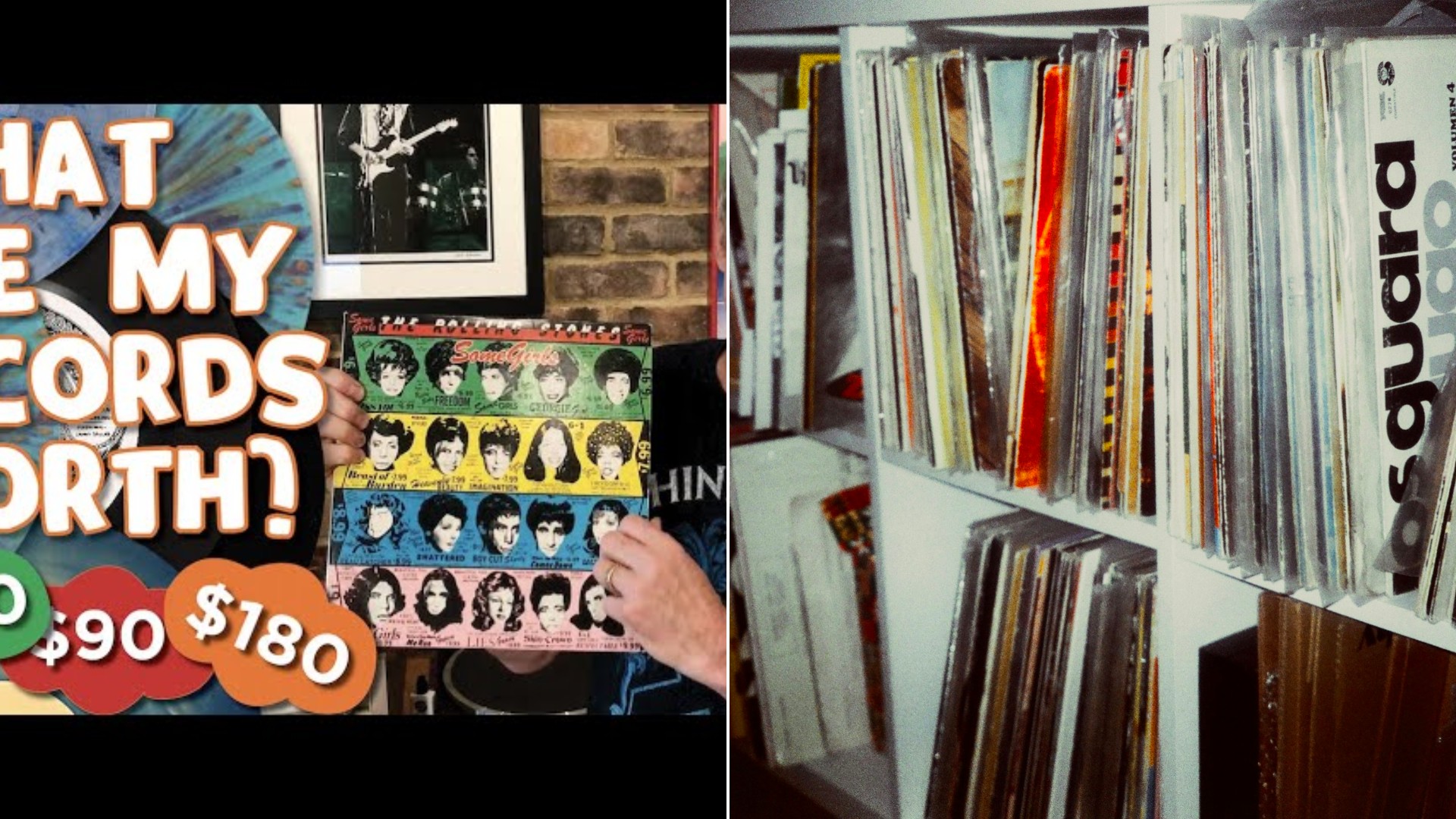
A pressing is simply a particular run of a record. Plenty of collectors want the first pressing, and some vinyl fans really geek out over the differences between pressings. The trick is figuring out which one you are holding, and the creator says the answer starts with three simple things you already have: your nose, your fingers and your eyes.
Here is the full video, with real records shown along the way.
Step One Is The Catalog Number
Every record has a catalog number, according to the video. Sometimes the record company printed it on the front of the jacket and sometimes not. It is also on the spine, and it is on the label of the record itself. The numbers should match up, which makes it a good place to start. If they do not line up, that is a sign to look more closely.
Once you have the catalog number, you have something you can search for. It is far more precise than the title of an album, because the same album can be pressed many times over the years with different details.
Trust Your Nose, Your Fingers And Your Eyes
This is the part of the video that sticks with you. The creator says an old record looks old, feels old and, quite honestly, usually smells old. A record that has been down in a basement or a closet for a while tends to carry that old smell. It sounds funny, but it is a real clue the creator trusts.
The feel matters too. The creator holds up an old Paul Butterfield Blues Band record and points out that older jackets were almost cardboardy. Then comes a comparison with an album from the 80s, and the difference is easy to see. The newer jacket is flimsy. An older record, the creator explains, feels more substantial. The vinyl is heavy and the jacket is thick, kind of cardboardy.
It also helps to look closely at the printed details. At one point the creator points to a copyright date of 1973 on a record and explains that there is a real technical way to work out which pressing you have. The creator promises to cover that at the very end of the video, and warns that the technical way is not nearly as much fun.
A Tale Of Two Creedence Records
The example that really shows the point comes from CCR, one of the creator’s favorite bands of all time. One copy has what is described as that classic Fantasy Records label. Then there is another copy, of a later album by the band called Pendulum. The creator got real excited about that one because it has a different label, and it turned out to be the original blue Fantasy label.
That detail is exactly what a collector looks for. Two records from the same band can look similar from across the room, but the label tells a very different story up close.
What To Do With Your Own Records
You do not need to be an expert to get started. Here is a simple routine you can follow at your kitchen table.
- Find the catalog number. Check the spine, the label and the jacket, and make sure they agree.
- Feel the jacket and the vinyl. Thick, sturdy jackets and heavier records often point to older copies, as the creator explains. Flimsy ones are more likely to be newer.
- Look at the label. Compare your label to others of the same title. As the Fantasy Records example shows, a different label can be a big clue.
- Check the printed dates. A copyright date is only a starting point, and the video makes clear there is a technical way to dig deeper.
- Check the condition. Look at the record in good light for scratches, scuffs and warps. A great pressing in poor shape is worth far less than one in good shape.
- Compare what has actually sold. Search for your catalog number on a selling site and filter for sold listings. That tells you what buyers have really paid, which is better than what sellers hope to get.
Keep Them Safe While You Figure It Out
While you are sorting through the stack, handle each record by the edges and the label, not the playing surface. Store them upright rather than stacked flat, and keep them away from heat and damp. These are common sense tips that cost nothing.
Even if none of your records turn out to be a valuable first pressing, you may find something just as good. A record you remember from years ago, a band you loved and a cover you have not seen in decades are worth something too. And you will know exactly what you are holding, which is more than most people can say.
The creator ends with an invitation to leave a comment and a simple phrase, “keep them spinning.” That is good advice whether you are a collector or just someone with a box of albums and a long weekend.
More Stories You May Like
- Shopper Finds A Tote Of Nearly Complete China At Goodwill For $29.99, Unboxes Eight Place Settings On Camera, And Calls It Her Favorite Thrift Find To Date
- Thrift Shop Shares The Magnet And Tap Tests For Spotting Real Silver And Crystal Before You Buy, And Anyone Who Has Overpaid For Glassware Will Want To Know
- Antique Dealer Shows How a 200 Year Old Walnut Wardrobe Goes Together Without a Single Screw, and Furniture Lovers Cannot Stop Watching

Leave a Reply