

You walk into the thrift store expecting a bargain. You walk out wondering why a worn-out sweater cost almost as much as a new one at the department store. If that sounds familiar, you are not imagining things. Plenty of shoppers have noticed that some secondhand shops charge prices that feel a lot closer to retail than they used to.
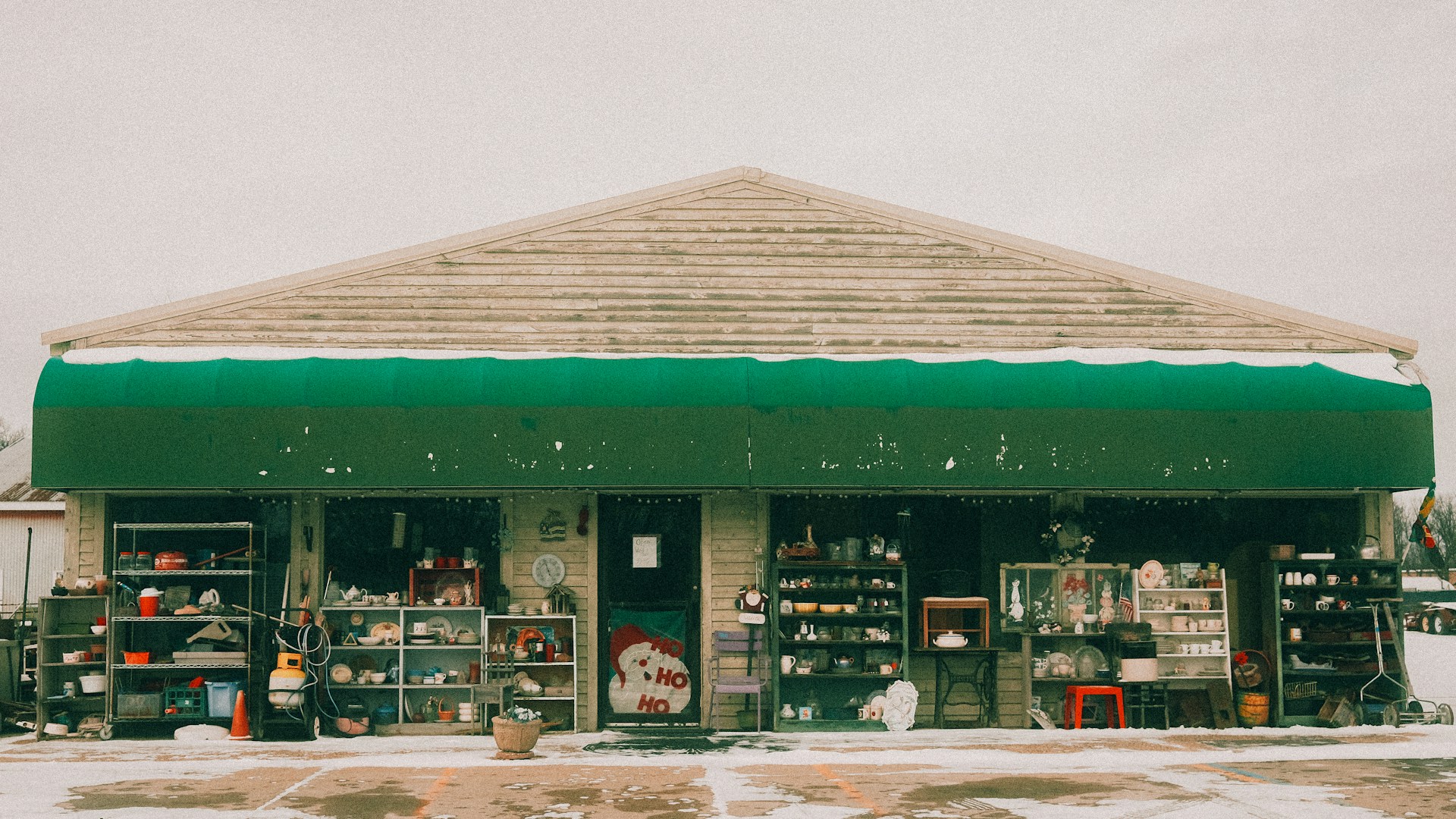
It is frustrating, and it feels a little unfair. Thrift stores built their reputation on affordable finds for people watching their budgets. When a used shirt, a chipped mug or a scuffed pair of shoes is priced close to new, a lot of folks feel like they are being taken for a ride.
Why Prices May Feel Higher
There is no single reason, and not every shop is the same. Some factors that may play a role include:
- Stores trying to cover rent, wages and the cost of sorting and processing donations
- Staff pricing items by looking at what similar things sell for online
- More shoppers competing for the same good finds as secondhand shopping grows in popularity
- Resellers buying low at one shop to sell higher elsewhere, which can make stores more price-aware
- Brand names being priced as brand names, even when the item is used
None of that makes a high price feel better when you are standing in the aisle holding it. But it helps explain why the tags look the way they do, and it points toward what you can do about it.
Compare Before You Buy
The best defense is a quick bit of homework. Your phone can pay for itself in a single shopping trip.
- Look up the new price. If you can find the item new, even on sale, you will know right away whether the thrift price is a deal.
- Check similar secondhand listings. Search sold listings on a resale site to see what real buyers have paid for the same item used.
- Weigh the condition. Stains, missing pieces, wear and damage should come off the price. If they do not, that is a reason to pass.
- Think about shipping and returns. A new item from a big retailer often comes with a return policy. Most thrift stores do not offer one, so factor that in.
- Ask yourself whether you would pay that price anywhere. If the answer is no, put it back.
A Simple Rule of Thumb
Many shoppers use their own personal rule. If a used item costs close to what it would cost new, buy it new. You get a fresh item, a return option and probably a warranty. If it costs a small fraction of the new price, and the condition is good, that is a thrift win. You get to decide where your line is, but having one keeps you from making an emotional buy.
Where Real Bargains Still Hide
Do not give up on secondhand shopping altogether. There are still good deals out there if you know where to look.
- Sale days. Many thrift stores run weekly color-tag or percentage-off sales. Ask at the register what their schedule is.
- Smaller, local shops. Independent and community-run shops are often less tied to online pricing.
- Estate sales and garage sales. You can often negotiate, and prices are set by individuals instead of by a chain.
- Church and charity sales. These are often priced simply to move things out the door.
- Outlet and bulk-style stores. Some secondhand stores sell items by volume instead of by item, which can stretch a dollar.
- Going often and going early. Stock changes frequently, so regulars see more of the good stuff.
Do Not Be Afraid to Ask
If something has a flaw the tag does not reflect, politely ask whether there is any flexibility on the price. Some shops do not negotiate, but some will, especially for damaged goods or multiple items. The worst they can say is no, and you have lost nothing by asking.
Know When to Walk Away
This is the hardest part and the most important one. If the price does not make sense, it is okay to leave the item on the shelf. Thrift store stock is unpredictable, but good deals come around again. Walking away also sends a quiet message. When enough shoppers decline overpriced items, shops notice what sells and what does not.
It also helps to remember what the point is. For most of us, thrifting is about saving money, finding something unique, and keeping good things out of the trash. If the price kills the first goal, it is worth reconsidering whether that purchase is really serving you.
The Bottom Line
Thrift store prices are not what they once were in every shop, and you do not have to just accept it. Compare against new, check what the item has sold for used, look at the condition honestly, and keep your own line in the sand. A good deal is a good deal, but a used item at a near-new price is just a used item.
More Stories You May Like
- Thrift Shop Shares The Magnet And Tap Tests For Spotting Real Silver And Crystal Before You Buy, And Anyone Who Has Overpaid For Glassware Will Want To Know
- She Paid $5 For A Thrift Store Painting, Turned It Over, And The Label Led Her To A 1964 Art Contest Open Only To Utility Company Employees
- Thrifter Calls It the Most Insane Haul of Her Entire Life After Pulling a Designer Emilio Pucci Coat Off the Thrift Store Rack That Fits Her Like a Glove

Leave a Reply