

There was a time when spending money on something you could make, mend, or simply do without was treated as a small failure of character. Our grandparents came of age during the Depression, rationing, or at the very least a household where waste was the cardinal sin, and that thinking never fully left them, even decades later when money was no longer quite so tight. A drawer of neatly folded aluminum foil, a coffee can full of buttons, a car kept running past 200,000 miles — these weren’t quirks. They were principles.
Looking back at the things they simply refused to buy says a lot about how differently they measured value. Some of it looks like stubbornness now. A lot of it, especially with prices what they are today, looks a whole lot like wisdom.
Paper Towels for Everyday Spills
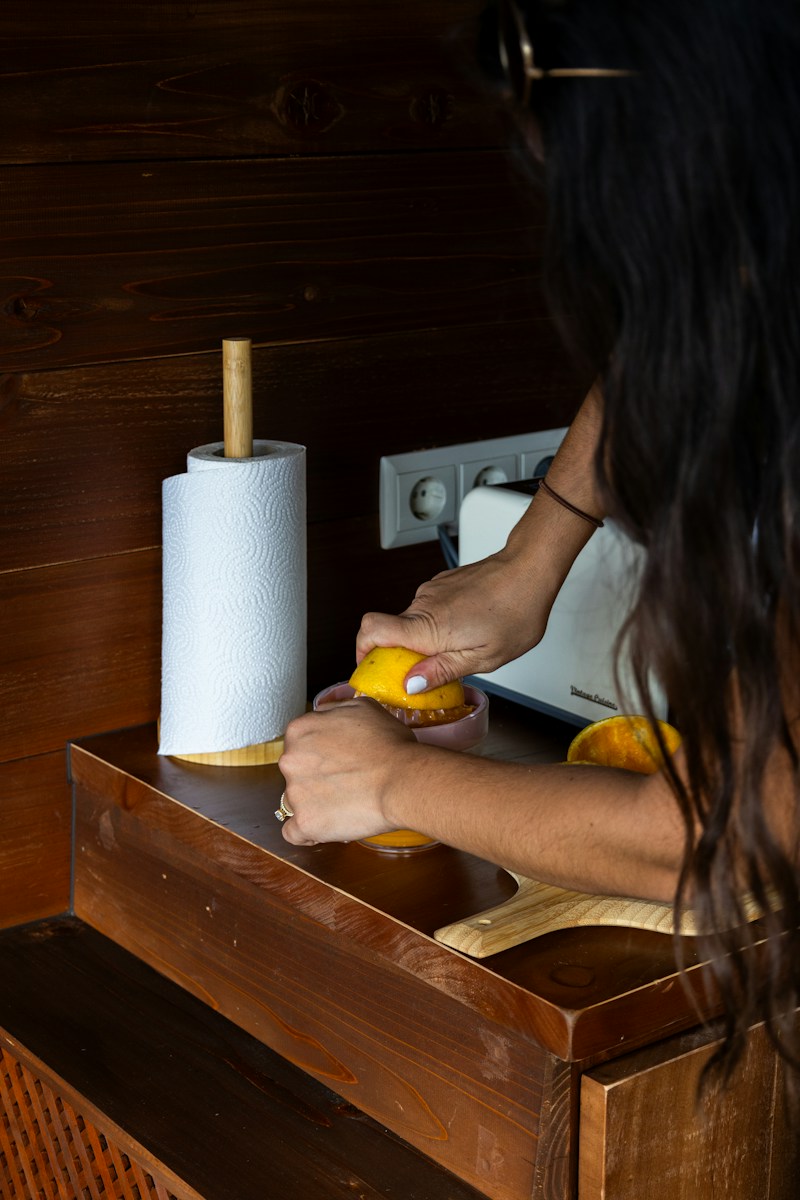
To our grandparents, paper towels were an emergency-only item, reserved for draining bacon grease or blotting up something truly disastrous. Everyday spills, counters, and hands got a rag — usually one cut down from a worn-out towel or an old T-shirt that had earned its retirement from clothing duty. Every household kept a designated rag drawer or bag, and it was refilled constantly from clothes too stained or threadbare to donate. Buying a roll of paper towels to wipe up spilled milk would have seemed almost comically wasteful, akin to lighting a dollar bill to find your keys. Cloth rags got washed and reused hundreds of times, which made them not just frugal but genuinely more sustainable than the disposable habits that replaced them. It’s a mindset thrift-store shoppers and zero-waste households have been rediscovering, one bin of vintage flour-sack towels at a time.
Bottled Water
The idea of paying for water in a bottle, when it flowed freely from every tap in the house, would have struck most grandparents as one of the strangest developments of modern life. They grew up trusting the tap, filling glass jars or metal thermoses before a car trip, and treating a garden hose as a perfectly acceptable drinking fountain in summer. Bottled water wasn’t just an unnecessary expense in their eyes — it was proof that people had lost touch with basic household sense. Many kept a pitcher in the refrigerator instead, sometimes with a few lemon slices or mint leaves floating in it for flavor, and considered that more than sufficient. The multi-billion-dollar bottled water industry that exists today would have genuinely baffled a generation that saw a working faucet as one of life’s small, dependable luxuries, not something to be replaced by a store-bought substitute.
Pre-Washed, Pre-Cut Produce
Paying extra for lettuce that had already been washed, or carrots that had already been peeled and chopped, would have seemed like paying someone to do a five-minute chore that any capable adult could handle themselves. Our grandparents’ kitchens ran on whole produce and a good knife, and prepping vegetables was simply folded into the rhythm of getting dinner on the table. Bags of pre-cut celery or containers of pre-diced onion represented, to them, money spent purely on convenience — and convenience was a luxury a tight household budget rarely accommodated. It also meant more food waste in their eyes, since whole vegetables kept longer and every scrap, from carrot tops to onion skins, could go into a stockpot rather than the trash. That instinct to use the whole vegetable and skip the markup has quietly come back into fashion among home cooks looking to stretch a grocery budget the same way their grandparents did.
Fabric Softener Sheets
A box of dryer sheets was, to many grandparents, money spent on a problem that didn’t need solving. Laundry got line-dried whenever weather allowed, which left clothes smelling like fresh air rather than a synthetic floral scent, and static cling was managed with a damp hand or simply ignored. Some households used a splash of white vinegar in the rinse cycle to soften towels and cut down on stiffness, a trick that cost pennies compared to a box of single-use sheets. The whole category of fabric softener products, marketed hard through the back half of the twentieth century, represented exactly the kind of manufactured necessity that frugal grandparents were suspicious of on principle. If clothes came out of the wash clean and dry, that was success — anything beyond that felt like paying for a marketing campaign rather than an actual improvement to the laundry.
Store-Bought Greeting Cards
Spending several dollars on a folded piece of cardstock with someone else’s printed sentiment inside would have struck a lot of grandparents as a strange use of money for something so fleeting. A handwritten note on plain paper, or a card cut and decorated at the kitchen table, carried more meaning anyway and cost almost nothing. Many kept a supply of construction paper, old wrapping scraps, and a glue stick specifically for this purpose, turning card-making into something the whole family took part in around birthdays and holidays. The sentiment mattered; the packaging around it didn’t need to be purchased. That homemade instinct has aged remarkably well, especially now that a single greeting card at the drugstore can run five dollars or more for a few words and a cartoon illustration.
Brand-New Gift Wrap
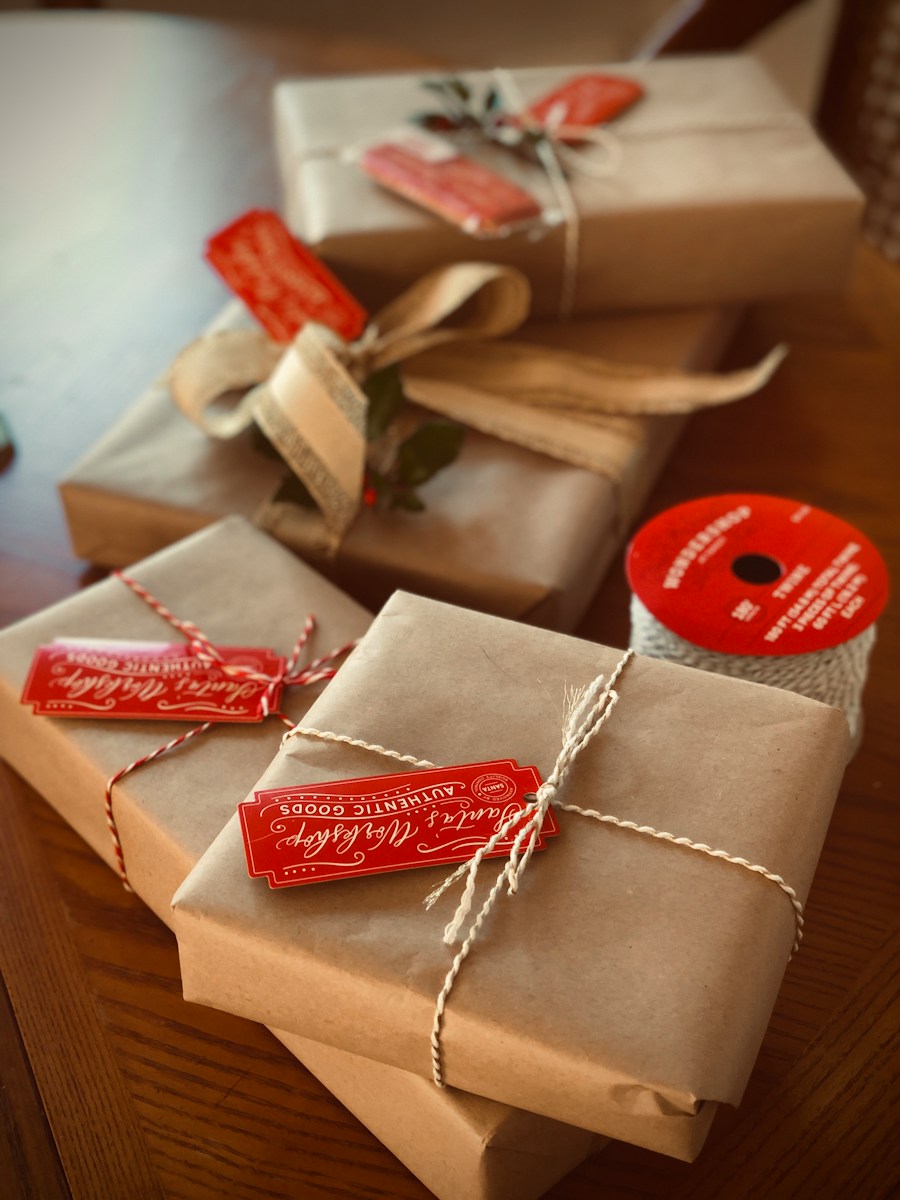
Wrapping paper got saved, smoothed out, and reused until it was too torn to manage, and plenty of grandparents kept a designated drawer for exactly that purpose. Newspaper comics pages, brown paper bags, and even old maps did double duty as gift wrap in a pinch, sometimes finished off with a bit of ribbon salvaged from a previous present. Buying a fresh roll every single time a gift needed wrapping felt like spending money on something that was going to be torn apart and thrown in the trash within minutes. Bows, too, got flattened and stored for next year rather than replaced. It was less about looking perfectly polished under the tree and more about the fact that paper was paper, and there was no reason to buy new when perfectly good paper already existed in the house.
Extended Warranties
Our grandparents generally believed that if something was built well, it would keep working, and if it broke, you fixed it yourself or paid a repairman you trusted rather than a corporation. The extended warranty, sold at the register alongside a new appliance or television, struck many of them as a bet the store was making that they knew they’d win. Repair manuals were common household items, and a broken toaster or radio was something to be opened up and investigated before it was written off as garbage. That do-it-yourself repair instinct also reflected a genuine trust in the durability of the products themselves, many of which were built with metal parts and simple mechanisms designed to last for decades rather than a couple of years before needing replacement.
Name-Brand Everything
Grocery store loyalty to a specific brand name, when a generic or store-brand version sat right next to it for less, would have seemed like paying for a label rather than a product. Many grandparents built entire pantries around whatever store brand did the job, reserving name-brand purchases for the rare items where the difference in quality was actually noticeable. This wasn’t about deprivation; it was a genuinely practical read on the fact that a can of green beans is, more often than not, a can of green beans regardless of what’s printed on the front. That skepticism toward marketing and packaging, rather than substance, guided plenty of household purchases, and it’s the same instinct that today’s generic-brand shoppers are quietly rediscovering as prices climb across every aisle of the store.
A New Umbrella Every Time One Broke
Rather than tossing a broken umbrella and buying a replacement, most grandparents kept a screwdriver and a bit of patience on hand to fix a bent rib or a popped spring. Umbrellas in their day were often sturdier to begin with, built with real metal frames rather than the flimsy telescoping versions that snap in a stiff wind and get left in the nearest trash can. A single good umbrella might last a decade or more with the occasional repair, tucked by the door and grabbed automatically on a rainy morning. Buying a new one every season, or every time the wind turned one inside out, would have seemed like an admission that the first purchase hadn’t been made carefully enough. It’s a small habit, but it captures the whole philosophy: buy it once, buy it well, and fix it before you replace it.

Leave a Reply