

By the time the 1980s rolled around, a lot of 1970s style had already become a punchline. The earth tones, the shag textures, and the general looseness of it all felt embarrassingly recent, the kind of thing people wanted out of the house immediately rather than something to appreciate a decade later. Homeowners repainted, reupholstered, and redecorated as fast as they could to distance themselves from the decade that had just ended.
Now that same era reads completely differently. Enough time has passed that ’70s style feels warm and characterful rather than embarrassing, and a lot of what got tossed out in a hurry is exactly what people are now hunting down on purpose. These nine things made that full journey from “get it out of my house” to genuinely desirable.
Macrame Wall Hangings
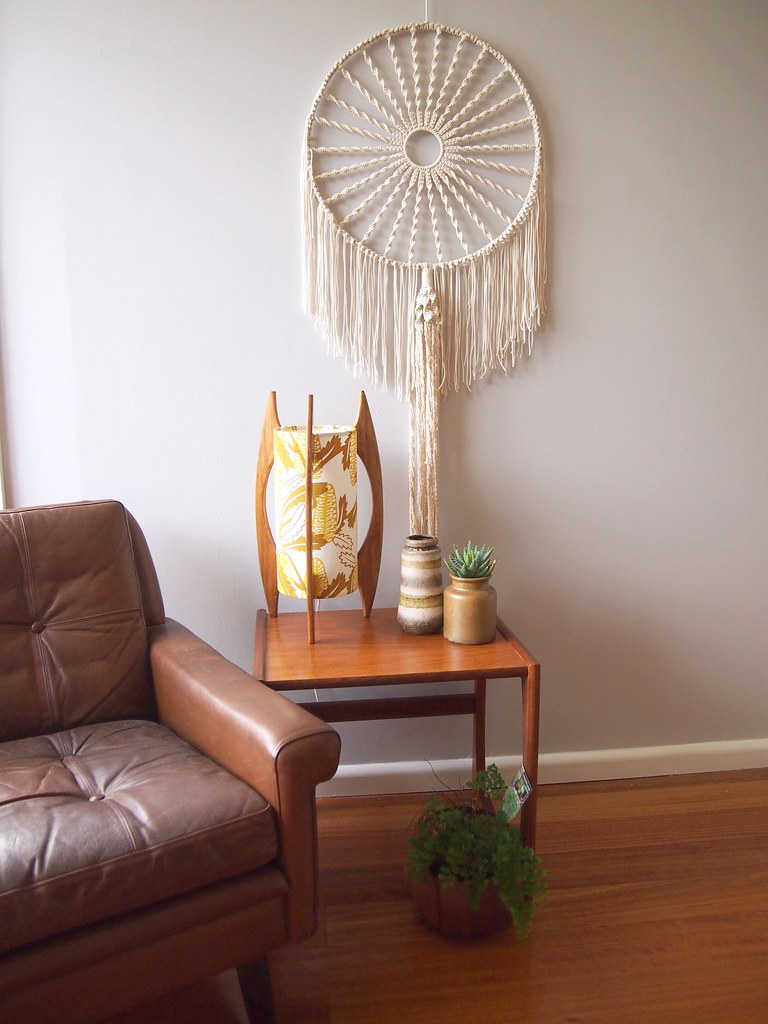
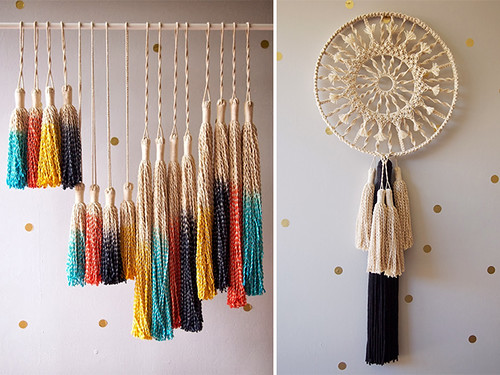
Elaborate knotted rope hangings, often featuring geometric patterns or dramatic fringe, were a defining decorative element of the decade, draped across living room walls as statement pieces. Once the decade ended, macrame started to feel dated almost immediately, and a lot of these pieces got cut down and thrown away as decorating tastes shifted toward cleaner lines. The handmade, textural quality that once seemed excessive now reads as warm and artisanal, and boho-leaning decorators actively seek out original pieces rather than newer reproductions. A well-preserved vintage macrame hanging has real presence that’s hard to replicate with anything mass-produced today.
Lava Lamps
The slow-moving wax inside a glowing glass lamp was everywhere in the decade, a genuinely mesmerizing bit of home lighting that felt futuristic at the time. As the decade’s aesthetic fell out of favor, lava lamps became an easy shorthand for dated style, and plenty ended up broken or discarded during a redecorating push. They’ve made a real comeback as retro novelty lighting, appreciated now for the same hypnotic glow that made them a bedroom fixture decades ago. An original, working lamp with its base intact still has a warmth that newer versions rarely capture.
Harvest Gold and Avocado Kitchen Canisters
These two colors covered kitchens across the country, from major appliances down to the smallest canister sets and dish towels. As soon as the decade ended, both colors became an instant symbol of dated style, and homeowners raced to repaint, reupholster, and replace anything in those shades. Smaller items like canister sets, mixers, and small appliances in these colors have become genuinely sought-after retro accents for kitchens leaning into a mid-century or groovy aesthetic. A set that once seemed impossible to give away now reads as a deliberate, nostalgic style choice.
Bell-Bottom Denim
Wide-legged, flared jeans defined the decade’s silhouette, worn by nearly everyone regardless of age or style preference. Once fashion pivoted toward slimmer cuts, bell-bottoms became an easy target for anyone mocking outdated style, and a lot of pairs got cut down, donated, or thrown out entirely. Flared and wide-leg denim has cycled back into genuine fashion relevance, with vintage pairs in good condition sought after specifically for their authentic fabric and construction. A pair that survived decades in a closet is now a genuine style statement rather than an embarrassing throwback.
Groovy Wood-Paneled Wall Art
Decorative wall art built into or applied over wood paneling, often featuring bold geometric or nature-inspired designs, was a common feature of dens and rec rooms throughout the decade. As paneling itself fell out of favor and got torn out of homes nationwide, these decorative pieces went with it, treated as inseparable from an aesthetic nobody wanted anymore. Vintage design enthusiasts now seek out these pieces specifically for their bold, era-defining graphic style, treating them as retro art rather than dated wall covering. A piece salvaged before a renovation is a genuine artifact of a very specific design moment.
CorningWare Spice O’ Life Pattern
This colorful vegetable-print casserole pattern was a fixture of kitchens throughout the decade, used constantly for weeknight dinners and potluck dishes. As kitchen style moved toward plainer, more neutral cookware, colorful printed patterns like this one started to feel busy and old-fashioned, and a lot of pieces got replaced or donated. The pattern has developed a genuine following among collectors of vintage CorningWare, with well-preserved pieces selling for noticeably more than a plain modern casserole dish. A dish that once seemed dated now stands out as a genuine piece of kitchen design history.
Platform Shoes
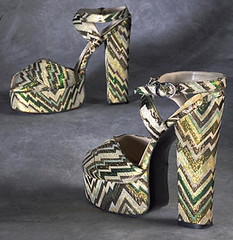
Chunky, elevated soles defined footwear for both men and women throughout the decade, worn with everything from jeans to formal wear. As shoe trends shifted toward flatter, sleeker silhouettes, platforms became an instant symbol of outdated style, and most pairs got discarded rather than stored. Platform styles have cycled back into genuine fashion relevance more than once since, and original vintage pairs in good condition are prized by collectors specifically for their authentic construction and materials. A pair that once seemed impossible to wear again is now a genuine vintage fashion find.
Shag Area Rugs
Thick, textured shag carpeting and area rugs covered floors throughout the decade, valued at the time for their softness and bold color options. Once cleaner, flatter flooring trends took over, shag became a maintenance headache and a style liability, and a huge amount of it got ripped out and replaced. Textured rugs have made a genuine comeback in interior design, valued now for the same coziness and visual warmth that made shag popular the first time around. A well-preserved vintage shag rug in a bold color is a genuine statement piece rather than an outdated eyesore.
Velvet Bell-Sleeve Dresses
Flowing velvet dresses with dramatic bell sleeves were a staple of both everyday and formal wear throughout the decade, favored for their rich texture and romantic silhouette. As fashion moved toward more structured, tailored looks, these dresses started to feel overly dramatic and old-fashioned, and a lot of them got donated or passed down until they disappeared entirely. Vintage clothing collectors and stylists have brought genuine renewed appreciation to this silhouette, prizing the rich fabric and dramatic shape that mass-produced modern clothing rarely replicates. A dress that once felt embarrassingly theatrical now reads as a genuinely striking vintage find.

Leave a Reply