

Nostalgia has a way of sanding down the rough edges of history until all that’s left is the warm, golden-hour version. We remember the mixtape and forget the eleven failed attempts to record it cleanly. We remember family dinner around a single television and forget that changing the channel meant getting up and walking across the room, again and again, all night. It’s not that the past wasn’t good — it’s that memory is selective, and selective memory rarely includes genuine daily annoyances.
Plenty of things people wax poetic about today were, in the actual moment, mildly to seriously irritating for the people living through them. Here are nine widely romanticized pieces of the past that were a real hassle at the time, whatever the soft-focus memory suggests now.
Party Line Telephones
Sharing a single phone line with several neighboring households sounds charmingly communal in retrospect, evoking images of small-town togetherness. In practice, a party line meant you could pick up the phone to make a call and find someone else already using it, sometimes for what felt like hours, with no way to know when they’d finish. Privacy was essentially nonexistent, since anyone sharing the line could quietly listen in on your conversation if they chose to. Emergencies became genuinely stressful if the line was tied up by a neighbor’s long chat. What sounds like a quaint slice of small-town life was, for the people actually living it, a near-constant source of frustration and a real threat to any hope of a private conversation.
Summers Without Air Conditioning
There’s a specific nostalgic image of childhood summer nights spent on the porch or sleeping with the windows open, a box fan humming in the corner, that gets romanticized as somehow simpler and more connected to nature. The reality was often miserable heat that made sleep genuinely difficult for weeks at a stretch, especially during heat waves that stretched on with no relief in sight. People routinely slept on rooftops, porches, or basement floors just to find slightly cooler air. Children and elderly relatives were especially vulnerable to serious heat-related illness during prolonged hot spells with no way to cool the house down. The soft nostalgia of a summer evening ignores the genuine physical toll that came with weeks of unrelenting heat and no real way to escape it.
Owning a Full Encyclopedia Set
A gleaming set of encyclopedias lined up on a shelf is remembered as a proud symbol of intellectual investment in a family’s children. Actually using one for a school report meant flipping through dense, small-print pages hoping the topic you needed was covered in enough detail, then supplementing with an outdated yearbook volume if anything had happened since publication. Information more than a year or two old was frequently already stale, since printing an entirely new set was far too expensive to do often. Carrying the heavy volumes around, especially for younger kids, was its own minor physical chore. Compared to instantly searchable, constantly updated information today, flipping through a bulky, sometimes outdated encyclopedia volume was a slow and often frustrating way to do basic research.
Doing Laundry Without a Dryer
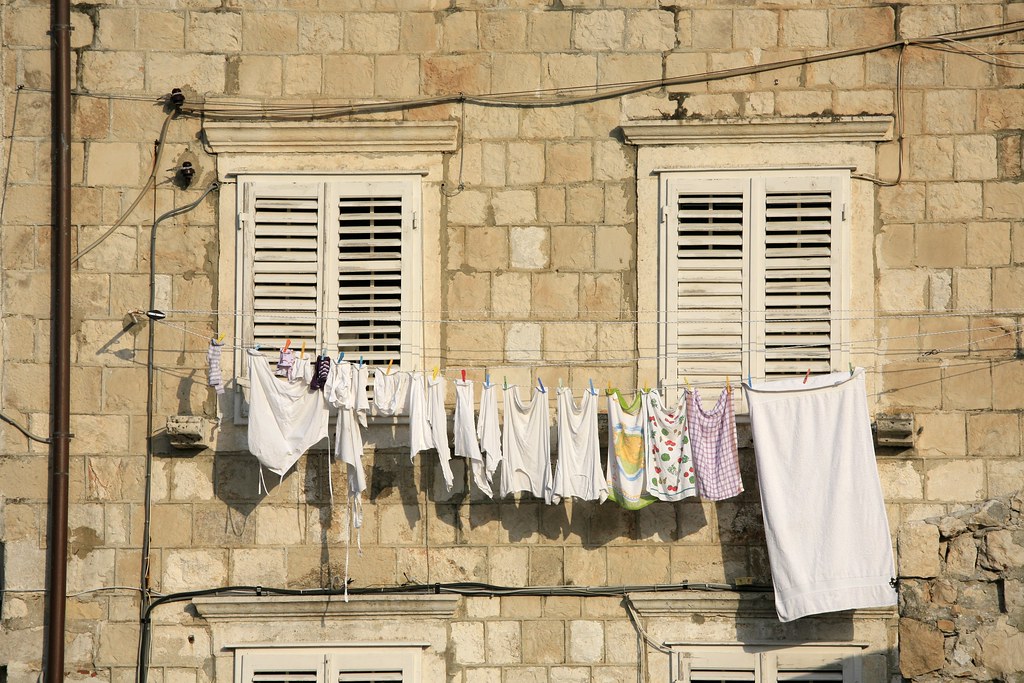
Hanging laundry on a clothesline evokes a pleasant image of fresh air and sunshine, and there’s genuine truth to how good sun-dried sheets can smell. What gets left out is the reality of doing this in winter, in the rain, or in a cramped city apartment with nowhere outside to hang anything at all. Clothes could freeze stiff on the line in cold weather, requiring a second round of drying indoors anyway. Rain meant scrambling outside to bring everything in before it got soaked all over again, sometimes multiple times in a single afternoon. For households without a basement drying rack as backup, laundry day without a dryer could easily become an entire day’s project built around unpredictable weather, rather than the simple, pleasant task nostalgia tends to suggest.
Long-Distance Phone Calls
Calling a relative in another state or country is remembered today as a special, meaningful event, the kind of call people planned and looked forward to, unlike the casual texting of today. That specialness existed largely because long-distance calls were genuinely expensive, billed by the minute, sometimes costing a significant chunk of a family’s budget for a single extended conversation. Families often kept a kitchen timer running nearby specifically to cut a call short before the bill got out of hand. Calling during off-peak evening or weekend hours to save money was a common, necessary strategy rather than a preference. The emotional warmth of those calls was real, but so was the financial anxiety quietly running underneath every single one of them.
Waiting for Photos to Be Developed
The anticipation of picking up a fresh envelope of developed photos gets remembered as exciting, almost magical, compared to the instant gratification of a digital camera or phone. What that anticipation actually involved was paying real money upfront to develop an entire roll of film without knowing whether a single photo would turn out well, then waiting several days to find out. A wasted shot — a thumb over the lens, someone blinking, bad lighting — was a permanent loss with no way to check and retake it in the moment. Special events sometimes went entirely undocumented because a whole roll got ruined by a light leak or a processing error. The wait built anticipation, but it also built real, unavoidable disappointment on a fairly regular basis.
Rotary Dial Telephones
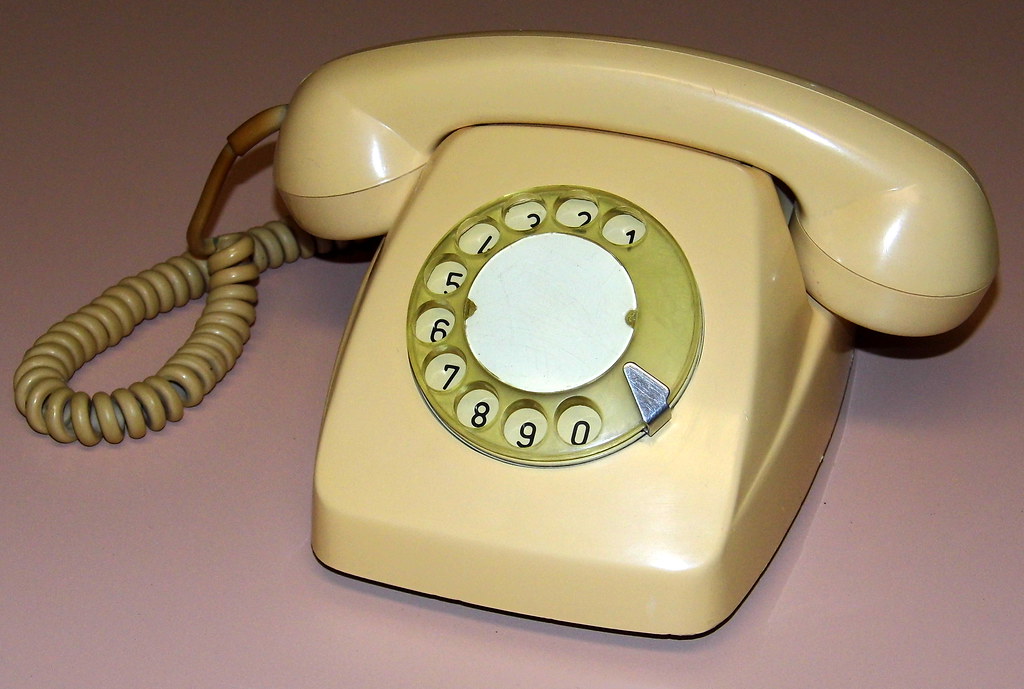
There’s a certain tactile nostalgia to the mechanical click and whir of dialing a rotary phone, remembered fondly as more deliberate and satisfying than pressing a button. Dialing a long-distance number with a full area code on a rotary phone, however, took genuinely longer than most people remember, since each digit required waiting for the dial to spin all the way back before dialing the next one. Dialing the wrong number meant starting the entire slow process over from scratch, with no backspace or correction available. Businesses with multi-digit extensions or automated phone menus were especially frustrating to navigate this way. The satisfying click was real, but so was the genuine loss of time and patience it demanded for anything more complicated than a quick local call.
Manual Can Openers and No Microwaves
Cooking and reheating food entirely on a stovetop, without a microwave to speed things along, is sometimes romanticized as a more wholesome, hands-on approach to home cooking. In daily practice, it meant reheating leftovers took real time and attention, watching a pot so it didn’t scorch or boil over, rather than the ninety seconds a microwave requires today. A stubborn manual can opener that slipped or dulled over time could turn opening a simple can of vegetables into a genuinely annoying struggle, sometimes with a cut finger to show for it. Quick weeknight meals required more planning and more actual cooking time than they do now. The slower pace had its charms, but it also demanded a level of daily effort that modern convenience has quietly, and mostly gratefully, eliminated.
TV Guide and Fixed Broadcast Schedules
Flipping through a physical TV Guide magazine to plan out an evening of television is remembered as a cozy little ritual, full of anticipation for a specific show at a specific time. The catch was that if you missed that specific time slot, the show was simply gone until a rerun happened to air, sometimes months later, with absolutely no way to watch it on demand. Planning an entire evening around a broadcast schedule meant genuine scheduling conflicts between family members who wanted to watch different things at the same hour. Recording something required a working VCR, a blank tape, and remembering to actually set the timer correctly in advance. The ritual of the TV Guide was pleasant, but the rigid schedule underneath it left very little room for flexibility or second chances.

Leave a Reply