

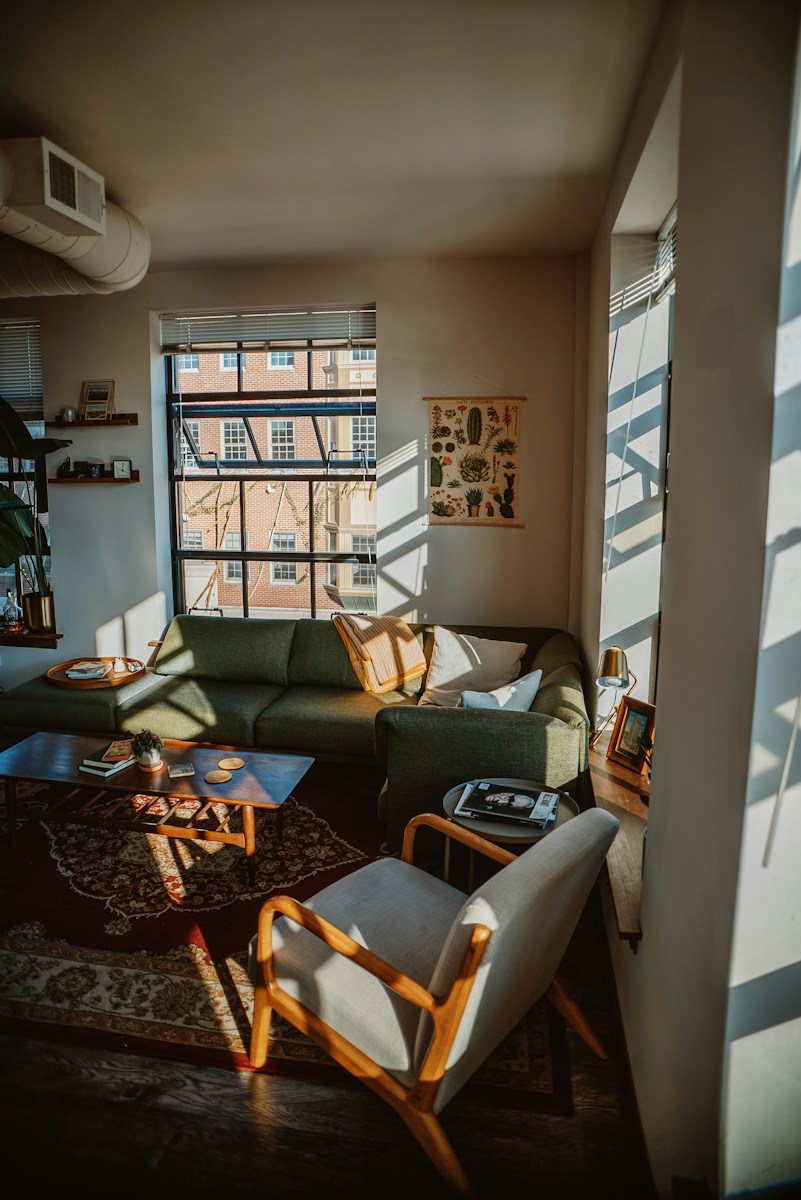
For a lot of Boomers, “fancy” meant more: more fabric, more trim, more layers of decoration stacked on top of an already finished surface. The more effort a detail clearly took, the more upscale it signaled the whole room was supposed to feel.
Gen Z’s version of fancy tends to run in the opposite direction — fewer, better things, with negative space doing a lot of the visual work. Here are nine once-glamorous touches that now read as a bit much.
Swagged and Layered Curtains
A proper window in a Boomer home often wasn’t just covered, it was dressed: sheer curtains underneath, heavier drapes on top, and a swagged valance layered above both, sometimes with additional tiebacks and tassels finishing the look. Each window could involve four or five separate pieces of fabric working together. Gen Z’s window treatments tend toward a single simple panel or none at all, treating multiple stacked layers as visual clutter rather than the polished finishing touch they were originally meant to be.
Fringe on Everything
Decorative fringe trim showed up on lampshades, throw pillows, upholstered chairs, and even curtain edges, adding texture and a sense of craftsmanship to otherwise plain fabric. It was considered a genuine upgrade over a clean, unadorned edge. Gen Z’s textile choices lean toward simple, structured lines without added trim, generally viewing fringe as a dated flourish that adds dust-collecting texture without improving how a piece actually looks or functions.
A Skirted Table With Glass on Top
A round table dressed in a full floor-length fabric skirt, topped with a custom-cut piece of glass to protect the fabric underneath, was a genuine centerpiece move in many formal living rooms. It required real planning and often a custom glass order to pull off correctly. Gen Z would rather use a solid table with visible legs and real material, seeing the skirted-and-glassed combination as an elaborate solution to a problem — protecting fabric — that a wood or metal table simply doesn’t have.
Gold-Trimmed Dishware, Displayed Not Used
China with a delicate gold or platinum rim was considered the height of formal elegance, often displayed in a cabinet specifically to show off the detailing rather than used for actual meals, since the metallic trim generally isn’t microwave or dishwasher safe. It functioned more as art than tableware. Gen Z tends to prefer dishware that can go straight from the table to the dishwasher without special handling, valuing everyday usability over a decorative detail that adds inconvenience.
Tasseled Curtain Tiebacks
Ornate tasseled cords, used to hold drapes open in an elegant swoop rather than letting them hang straight, were a small but deliberate upscale touch in formal rooms. Choosing the right tassel color and size was its own small decorating decision. Gen Z’s simpler curtain approach skips tiebacks almost entirely, letting panels hang flat or pulling them open with a plain clip if needed, treating the tasseled cord as an unnecessary accessory for a purely functional task.
A Crystal Chandelier With Layers of Drops
A chandelier dripping in cut-glass crystal drops was considered a serious status symbol, catching and scattering light in a way that signaled real investment in a room’s centerpiece fixture. Cleaning it properly could take hours given the number of individual pieces involved. Gen Z’s lighting instincts lean toward simpler pendant fixtures or sculptural shapes with clean lines, appreciating the drama of a chandelier while skipping the maintenance-heavy crystal detailing entirely.
A Velvet Sitting Area Nobody Actually Sits In
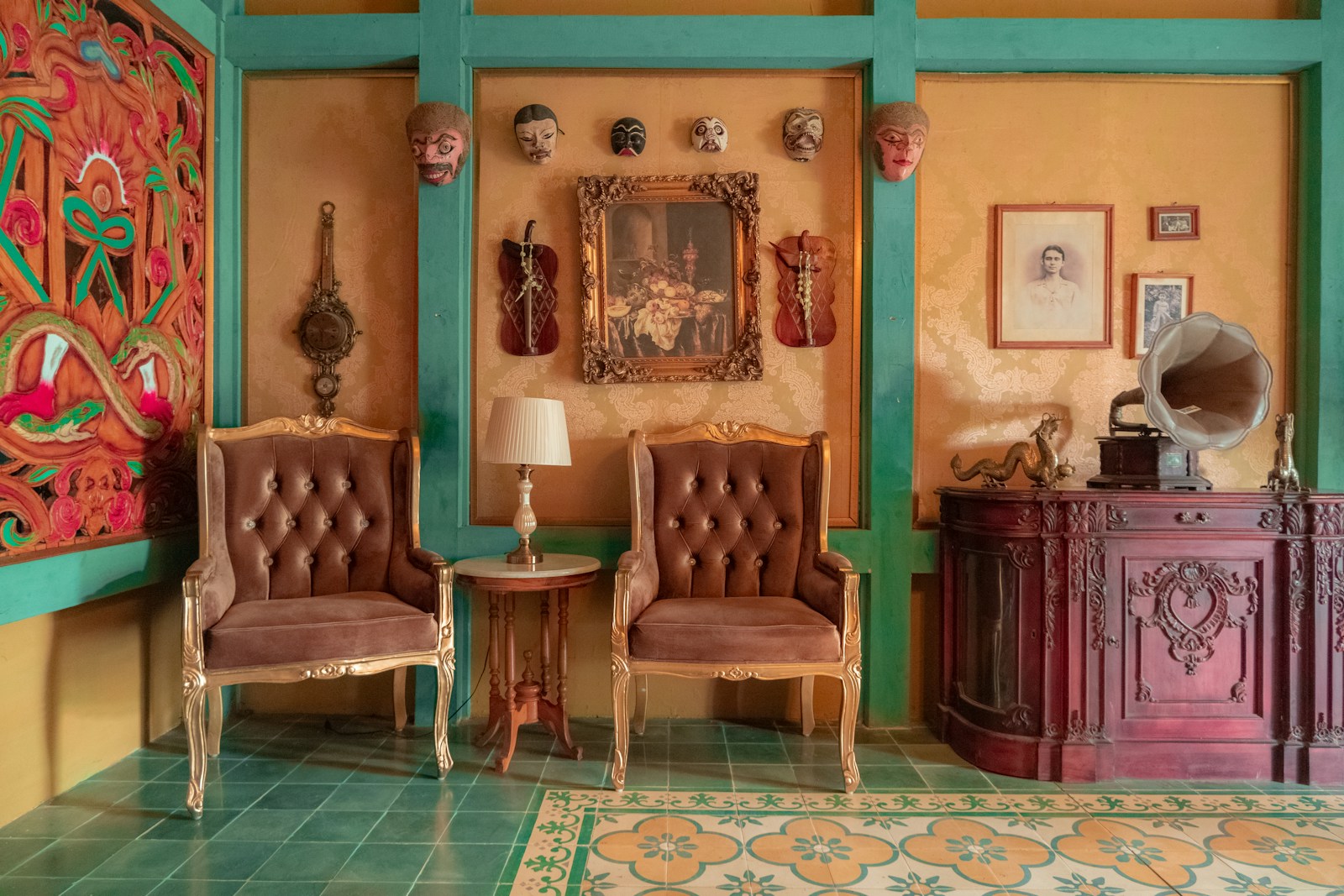
A small cluster of formal velvet chairs, sometimes positioned near a window or fireplace purely for visual balance, often went almost entirely unused in daily life, existing mainly to fill a corner elegantly. It was furniture as composition more than furniture as function. Gen Z generally won’t dedicate space to seating that isn’t genuinely comfortable or convenient to use, preferring flexible pieces that serve an actual daily purpose over a beautifully arranged but functionally empty corner.
Silk Flower Arrangements
Because fresh flowers wilt and real plants require upkeep, silk floral arrangements offered a permanent, low-maintenance way to add color and softness to a room without any watering or replacing. They were considered a smart, practical form of elegance. Gen Z’s plant preferences lean toward real greenery, even if it occasionally dies from neglect, generally finding a dusty silk arrangement less appealing than a living plant that at least looks and feels authentic.
A Mirrored Accent Wall
An entire wall covered in mirrored tiles or panels was a genuinely popular way to make a smaller room feel larger and add a sense of glamour and light, especially in dining rooms and entryways. It caught light dramatically from every angle. Gen Z’s minimal approach to reflective surfaces tends toward a single well-placed mirror rather than an entire wall, seeing the full mirrored treatment as visually overwhelming rather than the sleek expansion effect it was originally going for.

Leave a Reply