

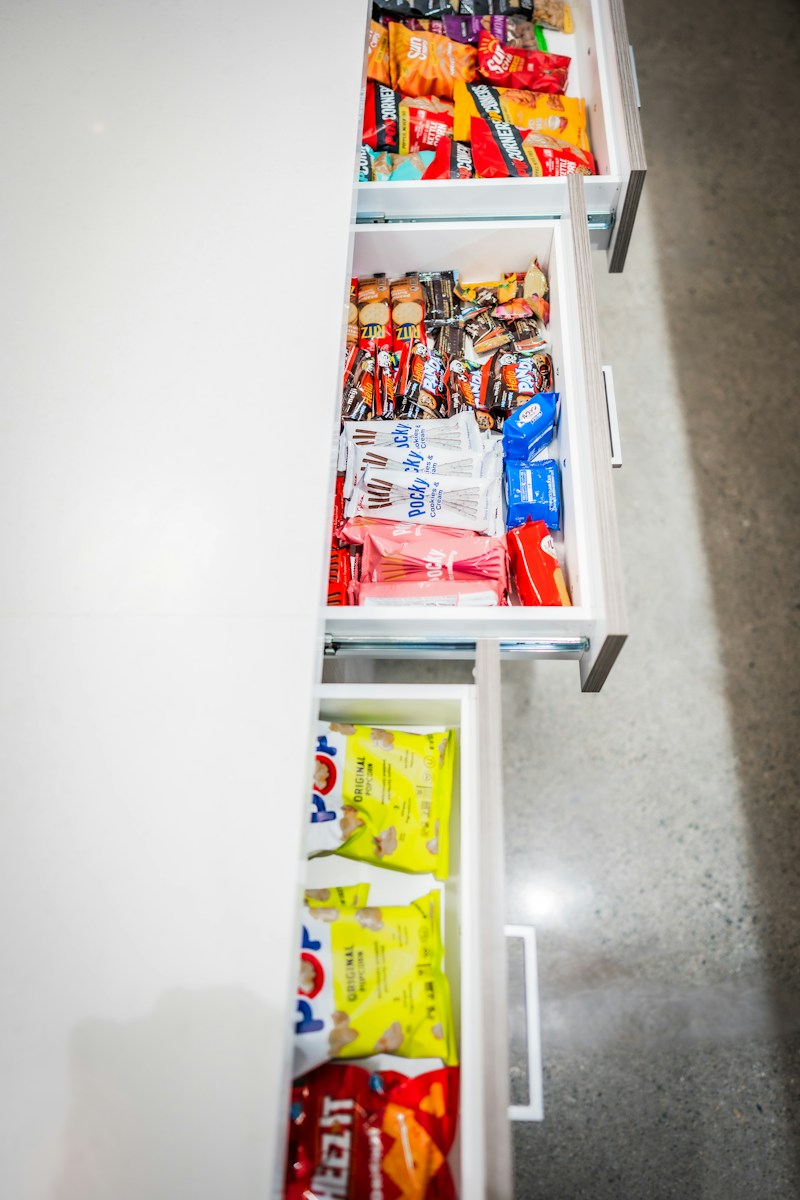
A Boomer kitchen is a small monument to not wasting anything, even things that were never expensive to begin with. Look past the countertop and into the drawers, and you’ll find a whole second inventory of items most people would toss without a second thought.
Gen Z, who came up in an era of instant replacement and one-click reordering, doesn’t see the same value in most of it. Here are nine kitchen items Boomers still save religiously, and why Gen Z just tosses them straight in the bin.
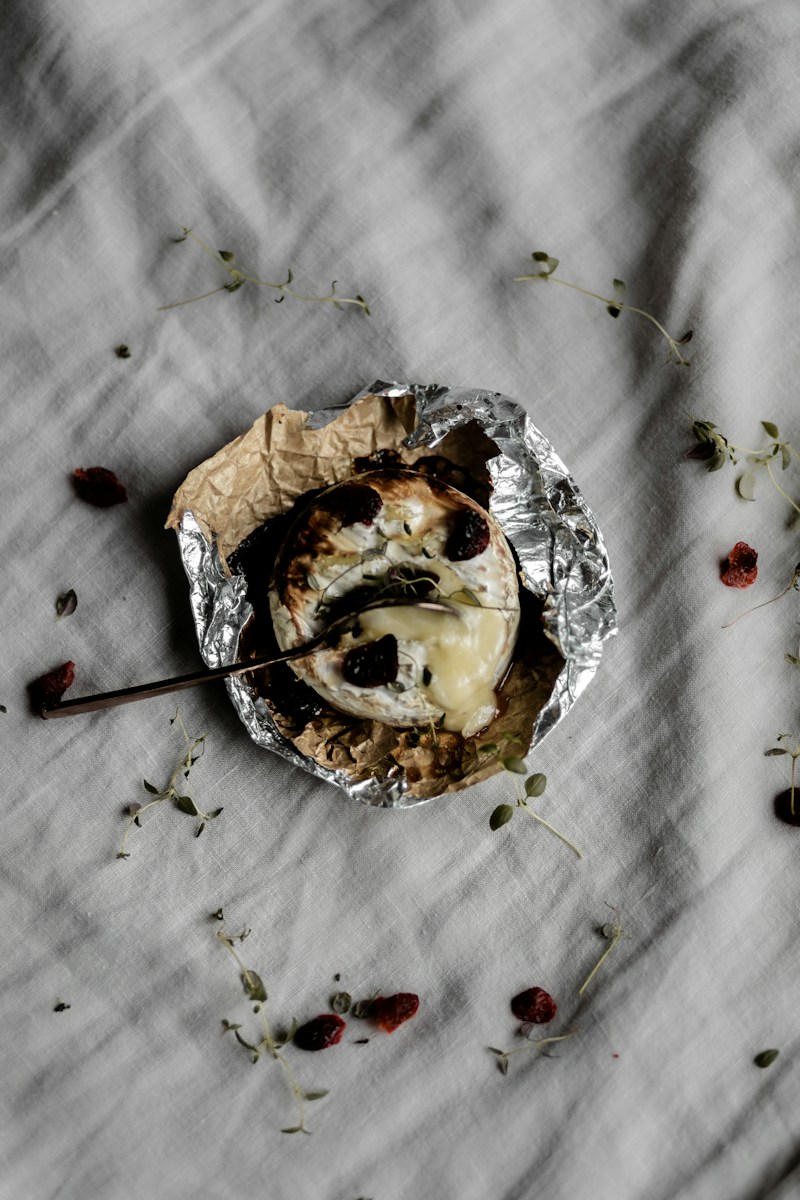
Washed and Reused Aluminum Foil
Rinse it off, smooth it out, fold it neatly back into the drawer — for many Boomers, a single sheet of foil was expected to cover more than one meal in its lifetime. It reflected a genuine era of household frugality, when even small material costs added up. Gen Z tends to treat foil as single-use by default, tearing off exactly what’s needed and pitching it afterward, viewing the extra step of washing and drying a scrap of aluminum as far more effort than the few cents it actually saves.
Twist Ties From Every Loaf of Bread
Every bag of bread, every bundle of produce came with a twist tie, and Boomers rarely let one go to waste, tossing each into a growing collection in a kitchen drawer. It was a tiny but real example of not throwing away something that still had a job to do. Gen Z, who can buy a pack of dedicated bag clips for a couple of dollars, doesn’t see the appeal of a mismatched pile of wire ties accumulated one loaf at a time over several years.
Styrofoam Meat Trays, Washed and Stacked
Rather than tossing the tray that raw chicken or ground beef came on, many Boomers washed them out and stacked them for later use — as a paint tray, a drawer liner, or a catch-all for small parts. It stretched a free resource into something useful. Gen Z’s food safety instincts run stronger here, generally uneasy about reusing anything that touched raw meat, and would rather recycle or trash the tray immediately than repurpose it for anything, craft project or otherwise.
A Drawer of Takeout Condiment Packets
Ketchup, soy sauce, duck sauce, hot mustard — whatever came free with an order, Boomers tended to keep, building up a genuinely impressive stash in a kitchen drawer for future use. It made sense when takeout was occasional and every packet felt like a small bonus. Gen Z, ordering delivery far more frequently through apps that often let you decline extra packets at checkout, doesn’t accumulate the same backlog and would rather toss what comes than let a drawer fill with sauce packets of uncertain age.
Coffee Cans Repurposed as Containers
Once the coffee was gone, the sturdy metal can rarely went in the trash in a Boomer household. It became a pencil holder, a nail bin in the garage, or dry storage for something else entirely, valued for being both free and genuinely durable. Gen Z, with access to inexpensive, purpose-built storage bins and organizers, doesn’t feel the same need to extract a second life from packaging, and tends to recycle the can the same day the coffee runs out.
The “Good” Tupperware, Saved for Nothing in Particular
Tupperware itself became a household fixture through in-home sales parties, a marketing innovation the Smithsonian traces back to saleswoman Brownie Wise in the 1950s. Decades later, many Boomer kitchens still have a “good” set reserved for special leftovers, kept separate from the everyday mismatched containers used daily. Gen Z tends to buy one consistent set of containers and use all of it interchangeably, without designating any piece too nice for actual, everyday leftovers.
Bread Bag Tabs, Sorted by Color
Beyond the twist ties, some Boomers went a step further and saved the small plastic bread bag tabs too, occasionally even sorting them loosely by color out of habit rather than any real plan for using them. It’s a small, specific example of a broader instinct to keep anything that might someday be useful. Gen Z sees these tabs as genuinely disposable, with no real secondary use worth the effort of separating them from the trash in the first place.
Rubber Bands From the Produce Aisle
Every bunch of broccoli or asparagus came bundled with a rubber band, and Boomers collected them the same way they did twist ties, looping them around a doorknob or stuffing them into a drawer for later. They came in handy for bundling cords or sealing bags in a pinch. Gen Z, who can buy a bag of rubber bands for almost nothing, doesn’t bother saving the ones that arrive free with groceries and just throws them out along with the produce band’s original packaging.
Birthday Candles, Half-Burnt and Saved
Rather than buying a fresh box for every birthday, many Boomer households kept a running collection of half-burnt candles from past cakes, using them until they were too short to hold steady. It was another small money-saving habit from an era that treated even minor purchases carefully. Gen Z generally buys a fresh set for each occasion, especially with themed or colored candles now inexpensive and widely available, and doesn’t see much appeal in relighting last year’s leftover wax stubs.

Leave a Reply