

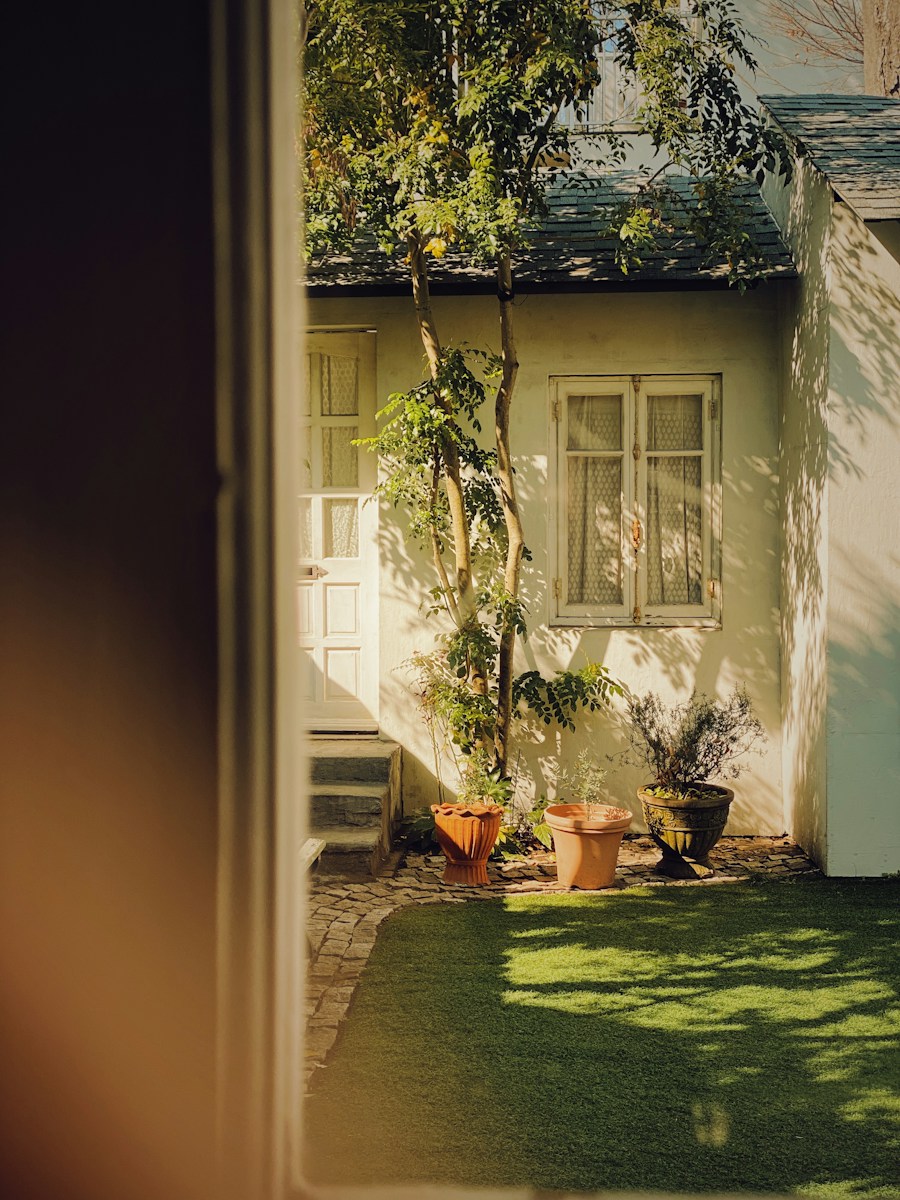
A Boomer backyard often reads like a second job: a lawn that demands weekly mowing, hedges that need regular shaping, a shed full of tools for projects that come around once a year. It’s an impressive amount of upkeep for a space meant to be relaxing.
Gen Z’s outdoor spaces tend to prioritize low effort and actual daily use over an elaborate, high-maintenance showcase. Here are nine backyard features they’d scale back or cut entirely.
A High-Maintenance Formal Lawn
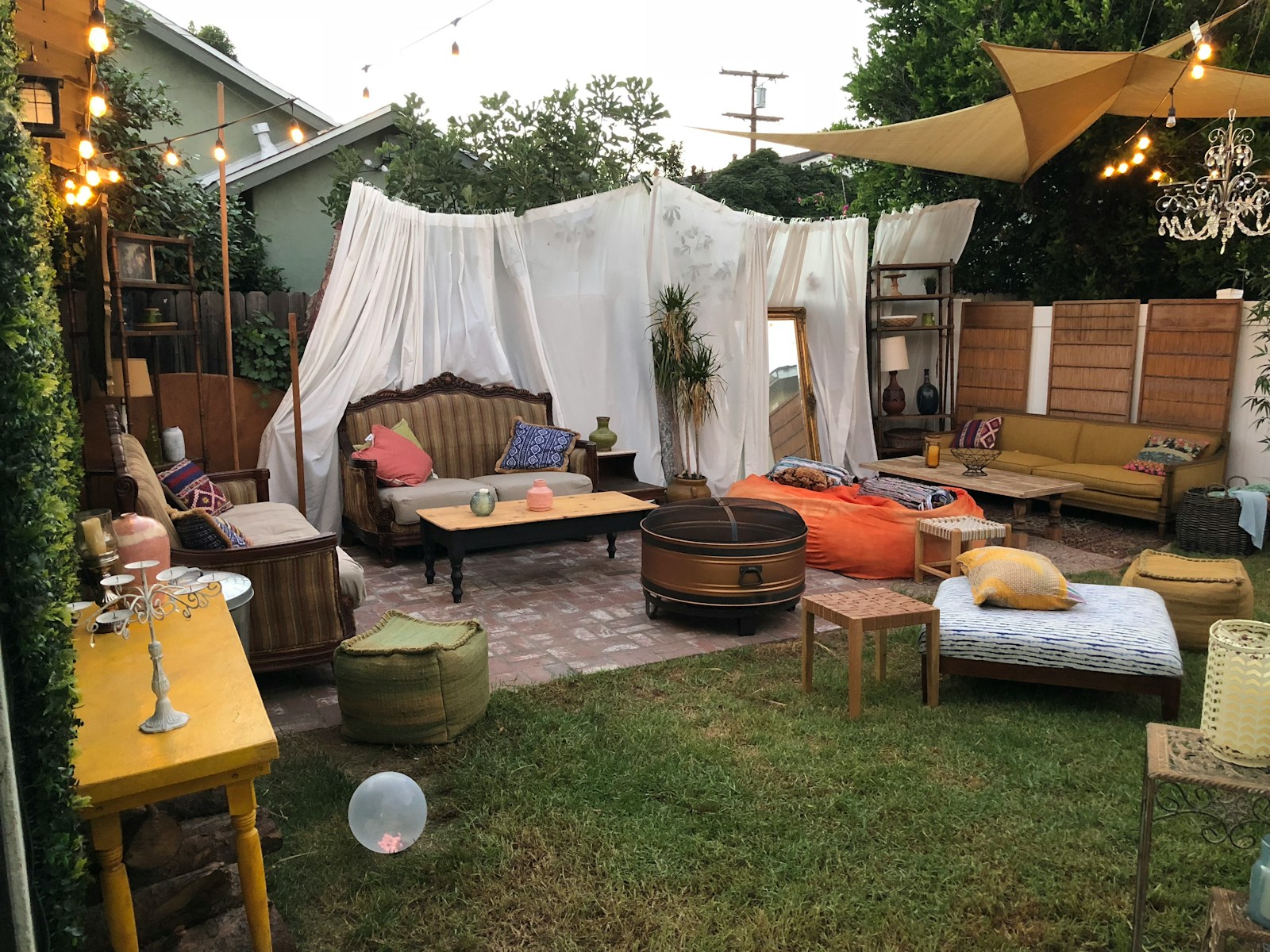
A wide, uniformly green lawn, free of clover or dandelions and mowed on a strict weekly schedule, was a genuine point of pride for a lot of Boomer homeowners, requiring regular watering, fertilizing, and edging to maintain. It’s also one of the most time- and resource-intensive parts of yard upkeep. Gen Z is increasingly drawn to native plantings, clover lawns, or simply smaller manicured areas, treating a sprawling perfect lawn as more effort than the visual payoff is worth.
A Shed Full of Single-Use Tools
Garden sheds in Boomer backyards often accumulate specialized tools bought for one specific project years earlier — a post-hole digger, a specific pruning saw, a tiller used twice — and then never used again but never discarded either. The shed becomes a small museum of past yard projects. Gen Z, often renting rather than owning, or simply preferring fewer possessions overall, tends to rent or borrow specialty tools as needed rather than owning and storing an entire shed’s worth for occasional use.
Manicured Hedges Requiring Constant Shaping
Precisely trimmed hedges, sometimes shaped into geometric forms along a property line, required regular attention to maintain their crisp lines, either through a lot of personal time or a recurring landscaping expense. It was a defining feature of a well-kept traditional yard. Gen Z’s landscaping instincts lean toward looser, more natural plantings that don’t require constant trimming to look intentional, trading precise formality for something closer to low-effort wildness.
A Gazebo That’s Rarely Used
A freestanding gazebo, often positioned in a corner of the yard as a decorative focal point, sometimes went weeks or months without anyone actually sitting in it, existing more as a landscaping feature than a functional gathering space. It also required its own separate maintenance and eventual repairs. Gen Z would rather put that investment into one well-used, comfortable patio or deck space closer to the house than a separate structure that mostly just gets admired from a distance.
Garden Gnomes and Lawn Ornaments
Decorative gnomes, birdbaths, and small statues scattered throughout flower beds were a genuinely popular way to personalize a yard, often collected one piece at a time over years. Each addition reflected a specific, sometimes sentimental, purchase. Gen Z’s outdoor decor tends toward a more curated, minimal approach, favoring a couple of intentional pieces or none at all over an accumulated collection of individual lawn ornaments scattered across the property.
A Large Above-Ground Pool
A sizable above-ground pool was a major summer investment for a lot of Boomer families, offering a backyard swimming option without the cost of an in-ground build. It also demanded serious ongoing maintenance: chemical balancing, filter cleaning, and a complicated seasonal setup and teardown. Gen Z, especially renters without a permanent yard to build around, tends to favor smaller inflatable pools or simply skip backyard swimming altogether rather than take on that level of recurring upkeep.
Multiple Scattered Seating Areas
Rather than one central gathering space, some larger Boomer backyards spread seating across several separate zones: a patio set near the house, a fire pit further back, maybe a bench near the garden, each requiring its own furniture and upkeep. It offered variety but split attention across the whole yard. Gen Z tends to consolidate outdoor living into one well-designed, comfortable area, reasoning that one great space gets used far more often than three mediocre ones spread out.
High-Maintenance Flower Beds
Elaborate flower beds requiring regular deadheading, seasonal replanting, and careful color coordination were a serious point of pride and effort for many Boomer gardeners. The payoff was genuinely beautiful, but the weekly time commitment was substantial. Gen Z’s gardening interest, while real and growing, tends toward perennial and native plant choices specifically because they require less constant intervention to keep looking good throughout the season.
A Vegetable Garden Bigger Than They Can Use
Some Boomer backyards feature a vegetable garden plot sized more for an era of larger households and home canning than for the smaller number of people actually eating from it now, often producing far more zucchini and tomatoes than one household can reasonably use before it spoils. Gen Z’s interest in growing food tends to start smaller and more intentional, with a few raised beds or containers sized realistically to what they’ll actually cook and eat before it goes to waste.

Leave a Reply