

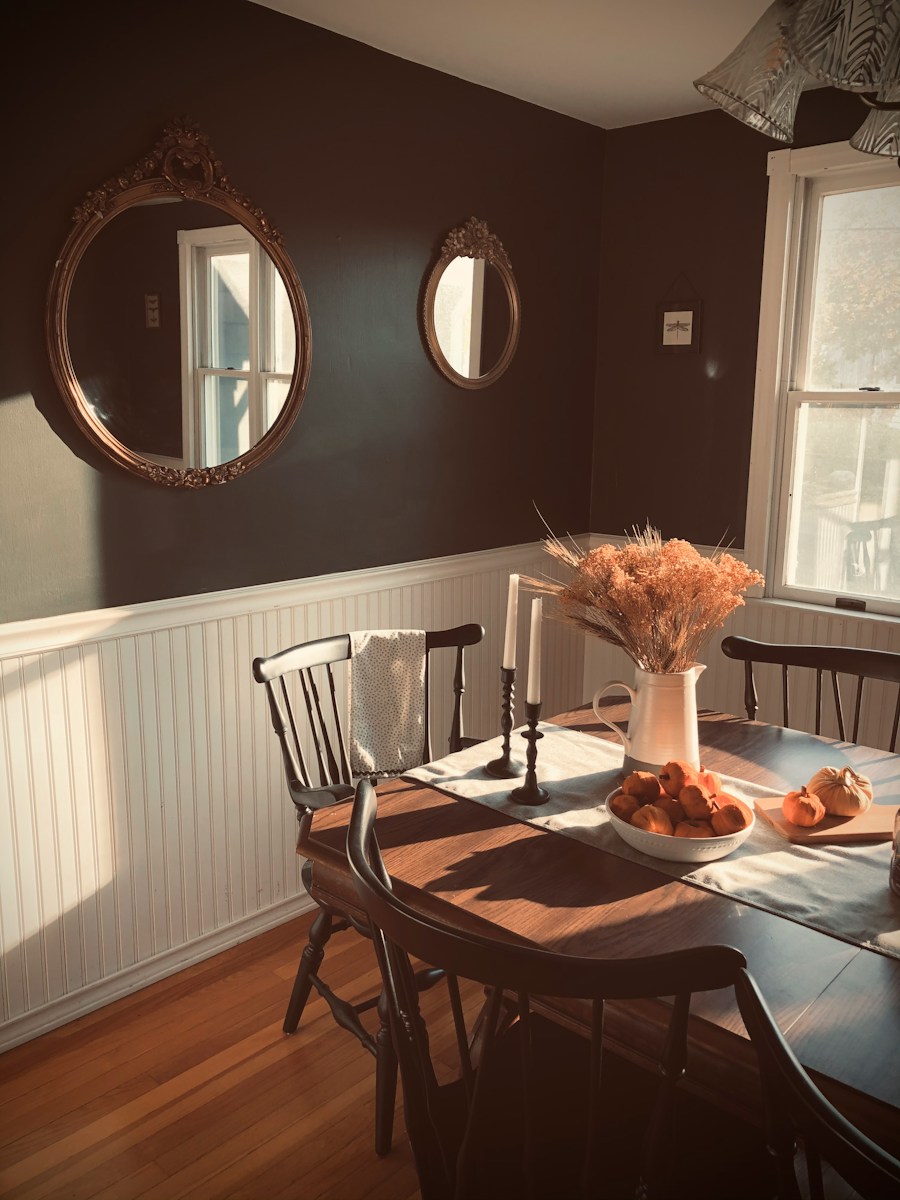
The classic Boomer floor plan often split ground-floor living into two distinct spaces: a formal living room for company, and a separate family room or den for everyday life. It made sense for larger houses with room to spare and a clear line between special occasions and ordinary days.
Design trends have actually started swinging back toward the formal dining room in some circles, with a 2025 trends report noting renewed interest in dedicated eating spaces. But for Gen Z’s actual living situations, one flexible room still usually wins over two formal ones, and here’s why.
More Usable Square Footage Day to Day
Splitting a home into a rarely used formal space and a separate everyday space means a real chunk of square footage sits idle most of the time. Combining that into one well-designed room means every bit of space earns its keep daily. For Gen Z, especially in smaller apartments where square footage is at a genuine premium, dedicating any room to occasional use rather than constant use feels like a luxury few can actually afford.
Less Furniture to Buy and Maintain
Two separate living spaces mean two separate sets of furniture: two couches, two coffee tables, two sets of lighting, all needing to be purchased, arranged, and eventually replaced. One combined room cuts that furnishing list roughly in half. Given the real cost of furnishing a home today, Gen Z generally prefers investing in fewer, better pieces for one space over spreading a furniture budget thin across two rooms that don’t both get equal daily use.
Easier to Actually Keep Clean
Maintaining two living spaces to a presentable standard means twice the vacuuming, dusting, and general upkeep, even when one of those rooms barely gets touched between cleanings. Consolidating into a single space means cleaning effort actually matches how the home gets used. Gen Z’s more realistic relationship with cleaning routines tends to favor keeping one room genuinely tidy over spreading thin effort across two, one of which stays empty most days anyway.
Better for the Kind of Entertaining They Actually Do
A formal living room built for stiff, seated conversation doesn’t match how a lot of Gen Z socializing actually happens: casual hangouts, movie nights, people spilling between the kitchen and the couch with food in hand. One open, flexible room supports that kind of loose, moving-around gathering far better than two separate spaces with different purposes and rules.
Flexibility for Working From Home
With remote and hybrid work now a regular part of many Gen Z schedules, a single adaptable room can shift from workspace to living space throughout the day in a way two rigidly defined formal rooms can’t. A corner desk in a shared living space does double duty; a whole separate formal room dedicated to sitting quietly doesn’t offer the same flexible return on its space.
Lower Overall Furnishing and Heating Costs
Beyond furniture, maintaining two separate living spaces means heating, cooling, and lighting both, even the one that goes unused most days. Consolidating living space into one well-used room cuts those recurring costs down meaningfully over time. For a generation more budget-conscious about recurring home expenses, that ongoing savings matters more than having a second, rarely lit room available.
More Natural Light and a Sense of Openness
Combining two smaller rooms into one larger space often means fewer interior walls blocking windows and natural light from reaching the center of a home. An open plan tends to feel brighter and more spacious than the same square footage divided into two boxed-in rooms. Gen Z’s design instincts consistently favor that sense of openness over the more compartmentalized feel of separate formal and casual spaces.
It Matches the Reality of Smaller Rentals
The vast majority of Gen Z is renting, often in units that simply don’t have the square footage to offer two distinct living spaces in the first place. One good room isn’t just a preference for them, it’s frequently the only option available, and their taste has adapted accordingly to make the most of it.
Lived-In Warmth Over Formal Presentation
At its core, the preference reflects a broader values shift: Gen Z generally prioritizes a home that feels genuinely lived-in over one that’s staged for an occasional audience. One well-loved room that shows real signs of daily use feels more honest to them than two rooms, one polished and empty, existing mainly for a version of hospitality they don’t practice the same way their parents did.

Leave a Reply