

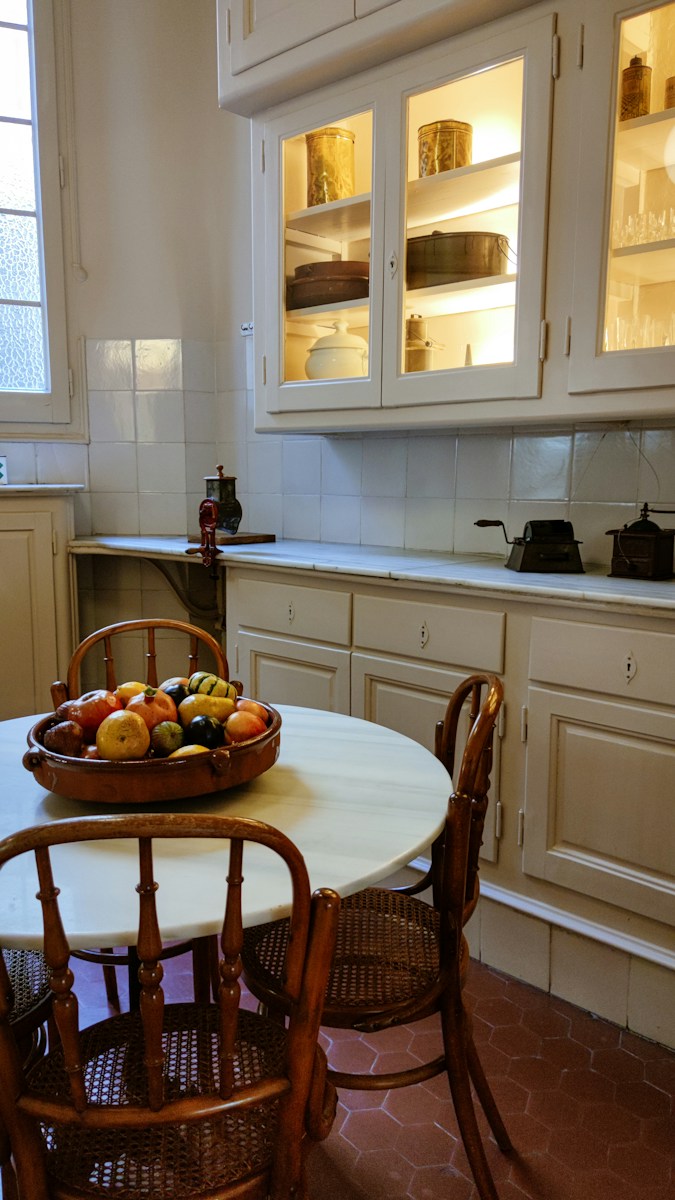
The kitchen is where generational design gaps show up most dramatically, mostly because it’s the room people are least likely to fully remodel. A lot of Boomer-owned homes still run on kitchens finished in the 80s or 90s, and their owners will happily tell you there’s nothing wrong with them.
Younger buyers touring these same homes see something different: a checklist of updates before they’d even consider moving in. Here are nine kitchen features Boomers still stand by that Gen Z and younger Millennial buyers are eager to rip out.
Honey Oak Cabinets
Warm, orange-toned oak cabinetry was the default choice in a huge share of kitchens built or remodeled in the 80s and 90s, chosen for its durability and natural wood grain. Plenty of Boomers still love the look and see no reason to replace perfectly functional cabinets. Younger buyers, for years, treated the finish as an instant red flag on a listing. Interestingly, the tide has started to turn a little; design writers have noted honey oak cabinetry quietly making a comeback as a warmer alternative to the all-white kitchen, though most buyers still want it lightened or restained rather than kept as-is.
Laminate Countertops
Laminate was the practical, budget-friendly countertop choice for decades, often in a speckled beige or faux-granite pattern designed to look more expensive than it was. It’s durable and easy to clean, which is exactly why so many Boomers see no urgent need to replace it. Younger buyers tend to view laminate as an immediate signal that a kitchen hasn’t been touched since it was installed, and quartz or butcher block sit near the top of most renovation wish lists.
Buzzing Fluorescent Tube Lighting
A single fluorescent tube fixture, often recessed into a drop ceiling grid, lit an enormous number of kitchens built from the 70s through the 90s. It was cheap, bright, and long-lasting, which made it an easy default for builders. The flat, slightly blue-white light and occasional hum have made it deeply unpopular with anyone who has experienced warmer LED alternatives, and it’s usually one of the first things gutted in a kitchen refresh.
Fruit-Themed Wallpaper Borders
A decorative border featuring grapes, apples, or roosters, running along the top of the wall just below the ceiling, was an extremely common way to add color to an otherwise plain kitchen. It felt cheerful and country-cottage at the time. Younger buyers almost universally want it gone, viewing it as one of the fastest, cheapest ways to visually date an entire room regardless of how updated the rest of the kitchen is.
Closed-Off Galley Layouts
Many kitchens built mid-century were designed as narrow, enclosed galley spaces, walled off from the dining and living areas to keep cooking smells and mess contained. It made sense when one person typically cooked alone. Younger buyers, having grown up watching open-concept renovations, tend to see a closed-off kitchen as isolating and want walls removed to connect the space to the rest of the home, even when that means a significant structural project.
Shiny Brass Cabinet Hardware
Bright, polished brass knobs and pulls, often in a distinctive scalloped or fan shape, were the finishing touch on countless 80s and 90s kitchens. It matched the era’s love of warm metals applied everywhere at once. While brushed and unlacquered brass has found renewed appreciation in some design circles, the specific shiny, uniform hardware style from decades ago is usually one of the first cheap swaps buyers make, often before they’ve unpacked a single box.
Sheet Vinyl or Linoleum Flooring
Vinyl sheet flooring, sometimes in a faux-tile or floral pattern, covered a huge portion of American kitchen floors for decades because it was inexpensive, water-resistant, and easy to install. Boomers who’ve maintained the same floor for thirty years often see no reason to change something still functional. Younger buyers generally want it replaced with tile, luxury vinyl plank, or hardwood, viewing the older material as visibly worn and difficult to modernize.
The Built-In Phone Nook and Desk
A small built-in desk with a shelf above it, originally designed to hold a wall-mounted phone and a phone book, was a standard kitchen feature for years. It made sense back when every household needed a dedicated spot to write down messages. With no landline to plug in, the nook now mostly collects mail and random clutter, and younger buyers frequently ask contractors to convert the space into extra cabinetry or a coffee station instead.
Double Wall Ovens Nobody Uses
Stacked double wall ovens were once a genuine luxury feature, built for households that regularly cooked large meals or hosted big holiday gatherings. Plenty of Boomers kept both running for exactly that reason. Younger buyers, who often cook smaller portions or rely more on a single range and microwave, tend to see the second oven as wasted cabinet space and increasingly ask for it to be converted into a warming drawer, extra storage, or a built-in microwave instead.

Leave a Reply