

Grandma’s kitchen didn’t have a drawer full of gadgets bought on impulse and abandoned after one use. It had a smaller number of things, chosen carefully, and expected to last for the rest of her life — sometimes literally handed down to the next generation still in working order. Replacing something wasn’t the default response to a scuff or a squeak; you cleaned it, oiled it, patched it, and kept going. That mindset wasn’t about nostalgia at the time. It was simply how households worked when money was tighter and goods were built with the assumption they’d need to survive decades of daily use.
Looking through an older relative’s home today can feel like walking through a small museum of quiet endurance. The same skillet, the same sewing machine, the same wool blanket, all still doing their jobs long after their modern equivalents would have been landfill-bound. Here are nine household staples that grandparents simply never saw a reason to replace.
The Cast Iron Skillet
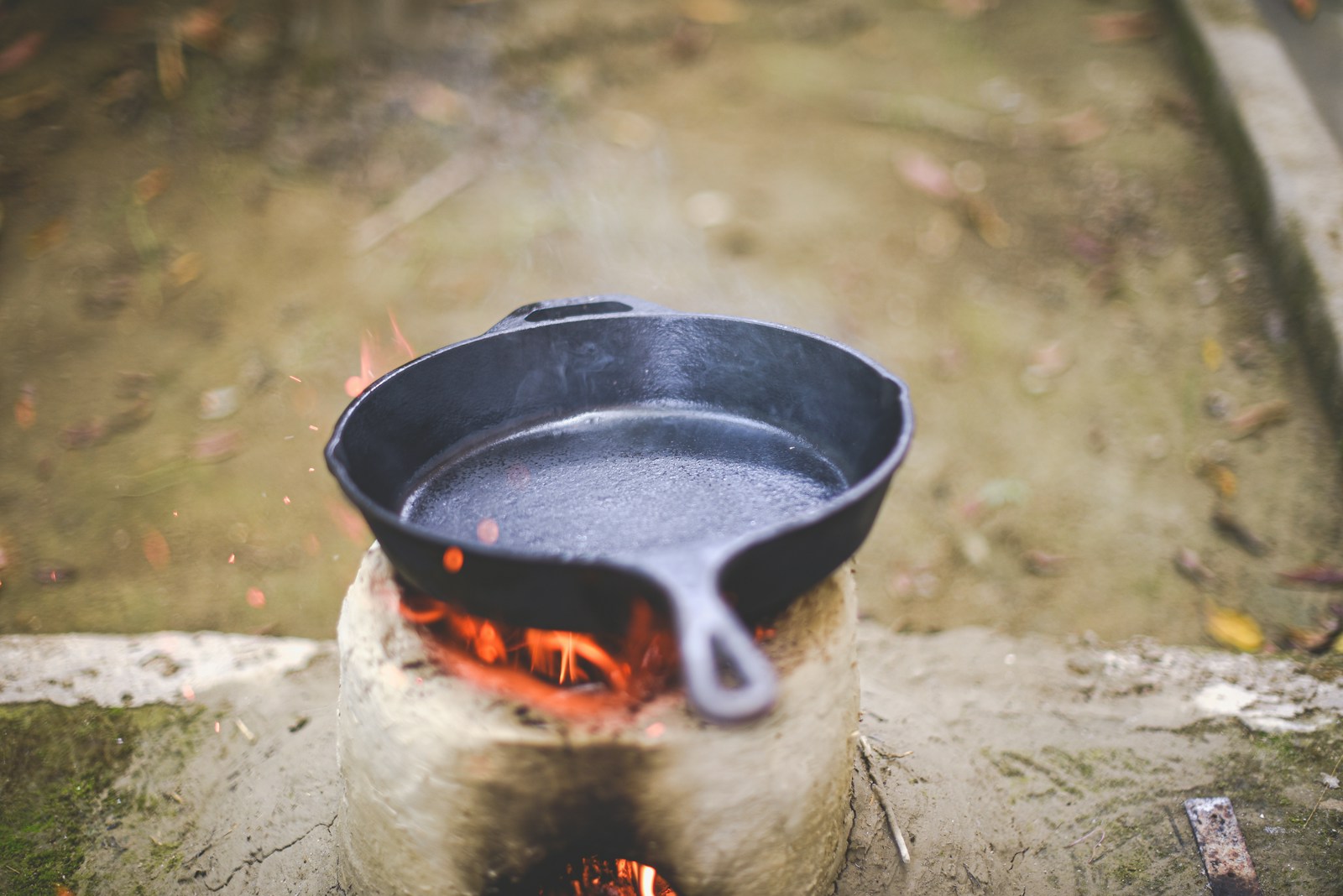
A good cast iron skillet wasn’t purchased so much as inherited, seasoned over years of bacon grease and Sunday cornbread until it developed a natural nonstick surface no coated pan could match. Grandparents treated the seasoning almost like a living thing, never scrubbing it with soap, always drying it thoroughly and rubbing in a little oil before it went back in the cupboard. A skillet like this could outlast several marriages, several kitchen remodels, and several decades of daily frying without ever needing to be thrown out. Chips, warping, and peeling coatings simply weren’t problems cast iron had, since there was no coating to begin with — just solid metal that got better with age instead of wearing out. Many families still cook in the exact same pan their grandmother used every single day.
The Singer Sewing Machine
A heavy, all-metal sewing machine, often a Singer, sat in a cabinet in nearly every home and was expected to handle decades of hemming, patching, and dressmaking without complaint. These machines ran on simple mechanical parts — gears, belts, a foot pedal — that could be cleaned, oiled, and adjusted by hand rather than replaced wholesale when something went wrong. Grandmothers who learned to sew as girls kept using the same machine well into their eighties, occasionally getting it serviced by a local repairman who understood exactly how it worked. The cabinet itself often doubled as a piece of furniture, folding closed to look like an ordinary table when not in use. Many of these machines are still fully functional today, decades after being built, something almost no modern appliance with a circuit board can claim.
Good China Saved for Special Occasions
Every household had a china cabinet holding a matching set of dishes that came out only a handful of times a year — Thanksgiving, Christmas, maybe a milestone birthday. The rest of the time, the set sat carefully stacked and untouched, protected from the wear and tear of everyday meals so it would still be pristine decades later. Buying the set was often a significant, deliberate purchase, sometimes started as a bridal registry and completed piece by piece over years. Using the good china for a holiday meal felt like an event in itself, a small signal that the occasion mattered more than an ordinary Tuesday dinner. Many of these sets still exist today, barely chipped, eventually passed down to grandchildren who now debate whether they’ll ever actually use them.
The Wringer or Heavy-Duty Washing Machine
Long before appliances were engineered with a planned lifespan in mind, washing machines were simple, sturdy mechanical devices built to be repaired rather than replaced. A wringer washer, with its hand-cranked rollers for squeezing out water, or an early agitator-style machine, ran for decades with nothing more than the occasional belt replacement or motor tune-up from a local appliance repairman. Grandparents expected a washing machine to be a one-time purchase for married life, not something swapped out every eight to ten years as newer models are today. The machines were heavy, loud, and unglamorous, but their straightforward mechanical design meant almost any part could be fixed rather than tossed. Some rural households kept these machines running well into the 1980s and beyond, decades past when they were first purchased.
Wool Blankets and Quilts
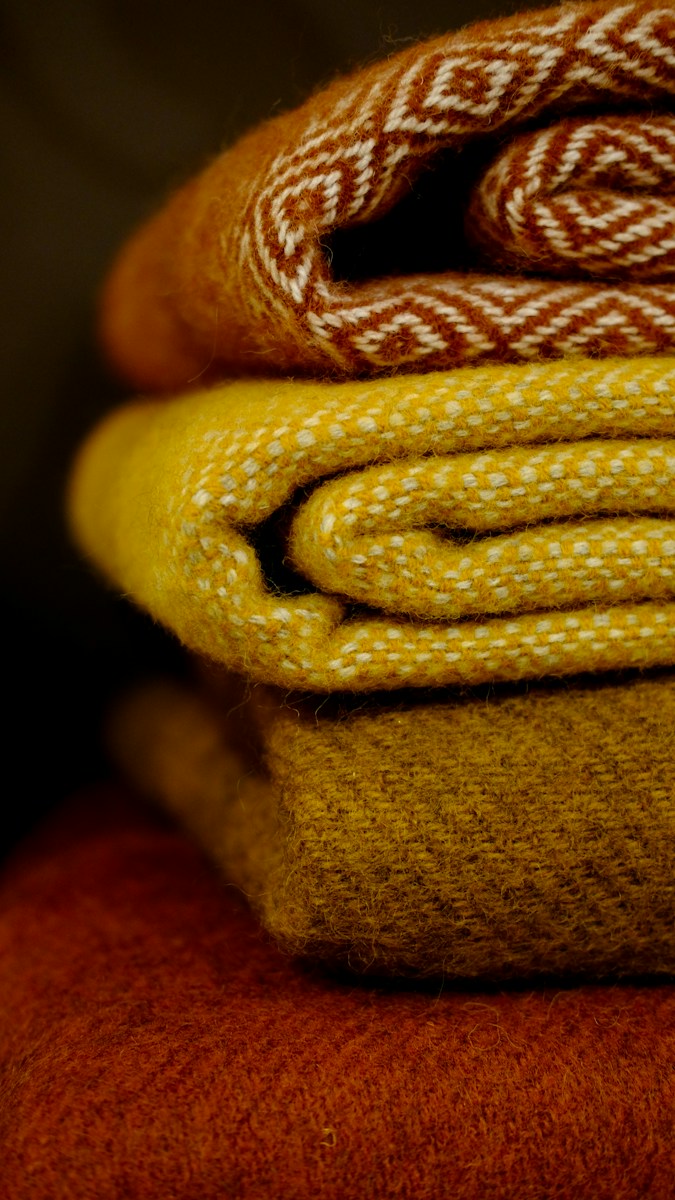
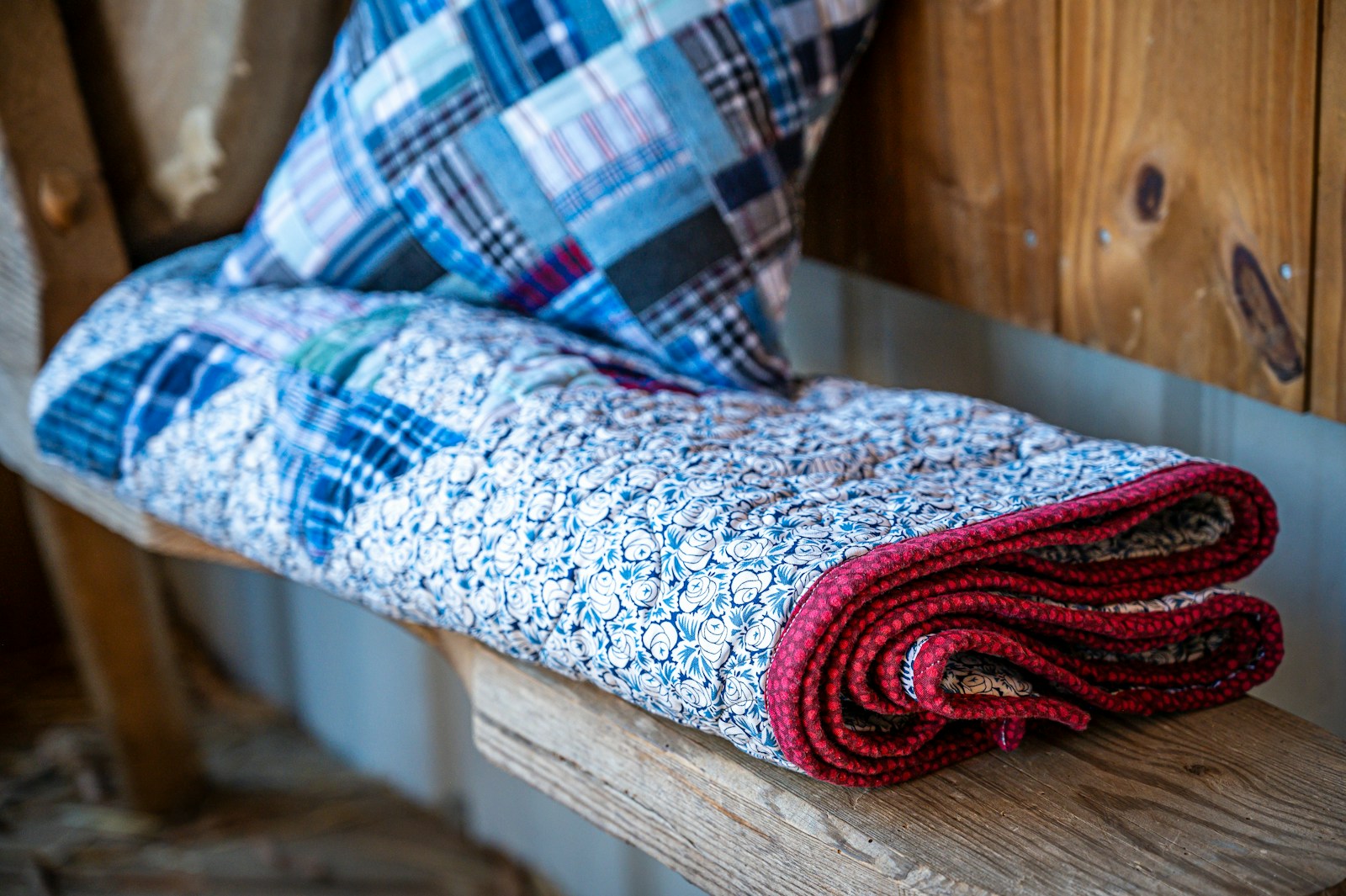
A thick wool blanket or a hand-stitched quilt wasn’t a seasonal purchase — it was a lifetime investment, often made by hand and passed down rather than bought new every few winters. Quilts stitched from old clothing scraps carried real family history in their patchwork, with pieces of a father’s work shirt or a child’s outgrown dress sewn permanently into the design. Wool blankets, properly stored with cedar blocks to keep moths away, could last for generations without losing their warmth or shape. Grandparents mended small tears by hand rather than replacing the whole blanket over a single frayed edge. Many families still keep one of these quilts folded at the foot of a bed today, decades or even a century after it was first stitched together.
The Push Reel Lawn Mower
Before gas-powered mowers with engines that eventually wear out became standard, many households relied on a simple push reel mower — no motor, no gas, no oil changes, just spinning blades powered entirely by the person pushing it. These mowers had remarkably few parts that could actually break, and a little oil on the wheel axles was usually all the maintenance they ever needed. Grandparents who bought one in their twenties were often still using the exact same mower in their sixties, having simply sharpened the blades every so often. There was no ignition to fail, no carburetor to gum up, and no small engine repair shop visit required. Some of these mowers are still functioning lawn tools today, sold secondhand or kept in a garage as a quieter backup option.
Heavy Chrome Toasters
The toaster on grandma’s counter was often a solid, heavy piece of chrome-plated metal, the kind that could survive being dropped without denting and kept working through decades of daily breakfasts. These older toasters used simple mechanical timers and thick heating elements rather than the delicate electronics found in many modern versions, which made them far easier to keep running with basic cleaning and the occasional part swap. A stuck lever or a frayed cord could usually be fixed at home or by a small appliance repair shop rather than triggering a trip to buy a brand-new one. Some families’ toasters outlasted several other kitchen appliances purchased around the same time. It wasn’t unusual for the same toaster to make breakfast for three generations of the same family before finally being retired.
Solid Wood Furniture
Dressers, dining tables, and bed frames built from solid oak, maple, or walnut were constructed to be family heirlooms from the start, with joints that were glued, doweled, or dovetailed rather than held together with the particleboard and staples common in furniture today. A scratch or a wobbly leg was something you sanded, refinished, or reinforced, not a reason to haul the whole piece to the curb. Grandparents often bought a bedroom or dining set once, early in their marriage, and used it for the rest of their lives, eventually passing it down. Refinishing the wood every decade or so kept it looking presentable without any real loss of structural integrity. These pieces regularly outlive their original owners, still sturdy enough for a great-grandchild’s first apartment.
The Kitchen Apron
A well-worn apron, often sewn at home from durable cotton or repurposed flour sack fabric, was a daily kitchen fixture that got mended rather than discarded when a seam gave way or a pocket tore. Grandmothers frequently kept the same one or two aprons for years, patching them by hand and washing out stains rather than buying a replacement for every small bit of wear. The fabric itself was chosen for durability over fashion, meant to survive spills, grease, and constant washing without falling apart. Some aprons carried genuine sentimental weight, tied to memories of specific meals or holidays cooked while wearing them. Even today, a handmade apron from a grandmother’s kitchen is often kept as a treasured keepsake long after she’s gone, sometimes still faintly smelling like her kitchen.

Leave a Reply