

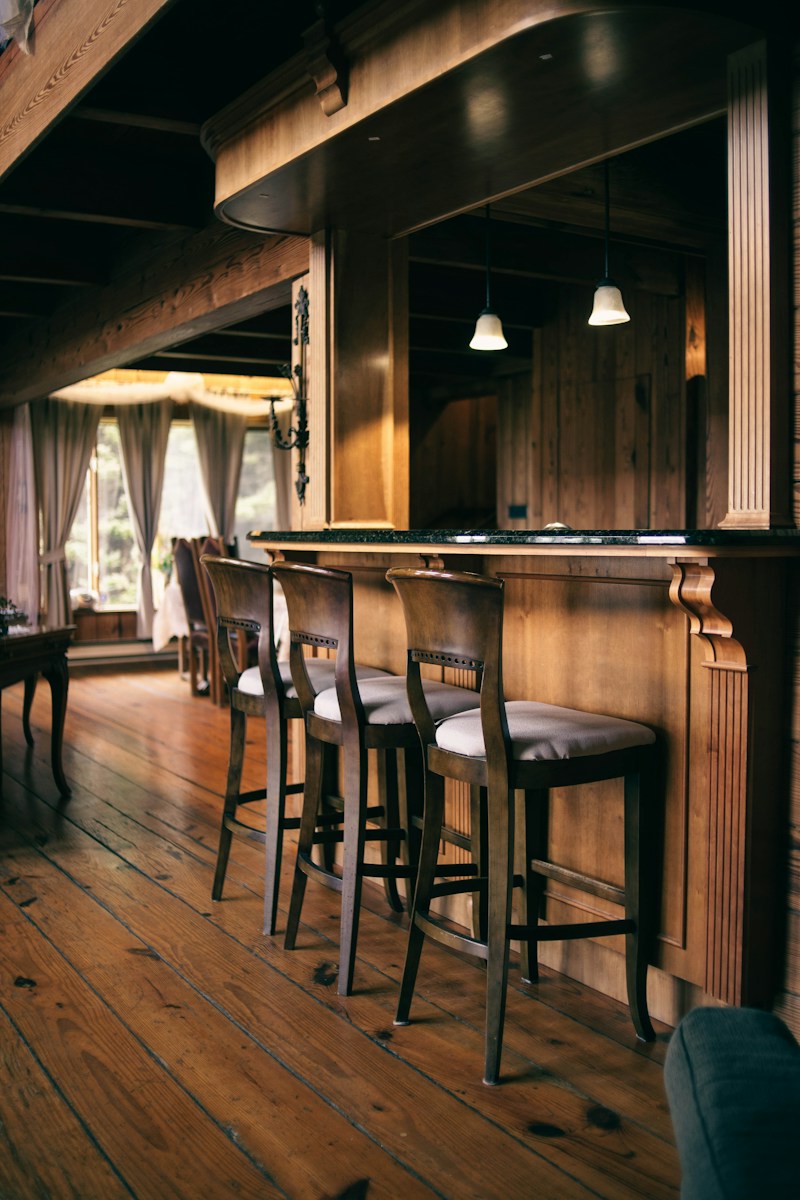
Some home features weren’t just decorating choices — they were genuine premium upgrades, the kind of thing a homeowner paid extra to add during a build or renovation specifically to signal that the house had a little something special going on.
Decades later, a lot of those premium features read very differently to a generation shopping for homes now. What once justified a higher price tag has, in several cases, become the very thing knocking value off a listing. Here are nine examples.
1. The Sunken Living Room
Dropping part of a living room a step or two below the surrounding floor, often centered around a built-in conversational seating area, was a genuinely upscale architectural statement in the 1960s and 1970s. As Rare Historical Photos documents, these “conversation pits” started as high-design features in architect-built homes before trickling down into mainstream construction. Today, a sunken living room is widely flagged as an accessibility and safety concern — an unexpected step down that’s easy to trip on — and a costly one to level out during a renovation.
2. A Built-In Wet Bar
A dedicated bar area with a small sink, a mini fridge, and cabinetry for glassware, often tucked into a basement or den, was a genuine luxury upgrade signaling a home built for entertaining. As Realtor Magazine has covered, taste has shifted toward more flexible, multi-purpose spaces rather than a room permanently dedicated to one function. Gen Z buyers touring a home with a built-in bar often see a plumbing fixture and cabinetry they’ll need to remove or repurpose rather than the selling point it once was.
3. A Whirlpool Garden Tub
An oversized jetted tub, often positioned as the centerpiece of a primary bathroom, was a genuine splurge upgrade through the 1990s and early 2000s, marketed as a private spa experience. As Apartment Therapy reports, bathtubs generally are disappearing from new construction in favor of larger walk-in showers, and jetted tubs in particular have fallen out of favor due to maintenance issues with their internal plumbing. Gen Z buyers tend to see an oversized whirlpool tub as an awkward footprint that could be a better shower instead.
4. A Whole-House Intercom System
Wired intercom panels built into the walls of multiple rooms, letting a household page each other or pipe in a radio station throughout the house, were a genuine tech upgrade when installed. As Atomic Ranch details, these systems were often bundled with a home’s original electrical build and became functionally obsolete once cell phones made in-house paging pointless. Gen Z buyers mostly encounter these as a nonfunctional wall panel with no clear purpose, occupying space that could hold a light switch or thermostat instead.
5. Real Wood Tongue-and-Groove Paneling
Genuine solid-wood paneling, as opposed to the cheaper printed-veneer version, was a legitimate premium material choice for a den or study, prized for its warmth and the craftsmanship it implied. It darkened a room considerably, which at the time read as cozy and masculine rather than dim. Gen Z buyers, generally drawn to bright, light-filled spaces, tend to see a heavily paneled room as one of the most expensive things to lighten up, since removing solid wood paneling is a much bigger job than painting over the cheaper veneer version.
6. Ornate Crown Molding and Ceiling Medallions
Elaborate plaster or polyurethane crown molding, sometimes paired with a decorative medallion around a chandelier, was an upgrade that added real cost to a build and signaled formal, traditional taste. It remains genuinely well-regarded in many circles, but the specific heavy, multi-tiered style popular decades ago can clash with the simpler, cleaner trim younger buyers favor. It’s less that Gen Z hates molding outright and more that the ornate scale of it can feel busy against otherwise minimal furnishings.
7. A Separate, Dedicated Formal Dining Room
Adding an entirely separate room just for formal dining, distinct from a casual eat-in kitchen space, was a costly square-footage decision that many builders and buyers considered essential through the 1990s. Gen Z buyers, who tend to eat most meals in the kitchen or living room regardless of formality, often see a room used a handful of times a year as one of the first candidates to convert into a home office, playroom, or extra living space.
8. A Built-In China Breakfront
A custom-built cabinet with glass doors and interior lighting, constructed directly into a dining room wall to display fine china and crystal, was a genuine architectural investment rather than a piece of furniture. Removing one is a real renovation project, not a simple furniture swap. Gen Z buyers, who generally don’t own or want a full set of formal china to display in the first place, tend to view the built-in breakfront as dead storage space rather than the impressive feature it was designed to be.
9. Vaulted Ceilings With Multiple Skylights
Dramatic double-height ceilings paired with several skylights were a genuine premium architectural feature in the 1980s and 1990s, adding both visual drama and natural light at real construction expense. Skylights in particular are notoriously prone to leaking and energy loss over time, and younger buyers, more attuned to energy efficiency and long-term maintenance costs, tend to treat a roof full of aging skylights as a future repair bill rather than the light-filled luxury it was originally sold as.

Leave a Reply