

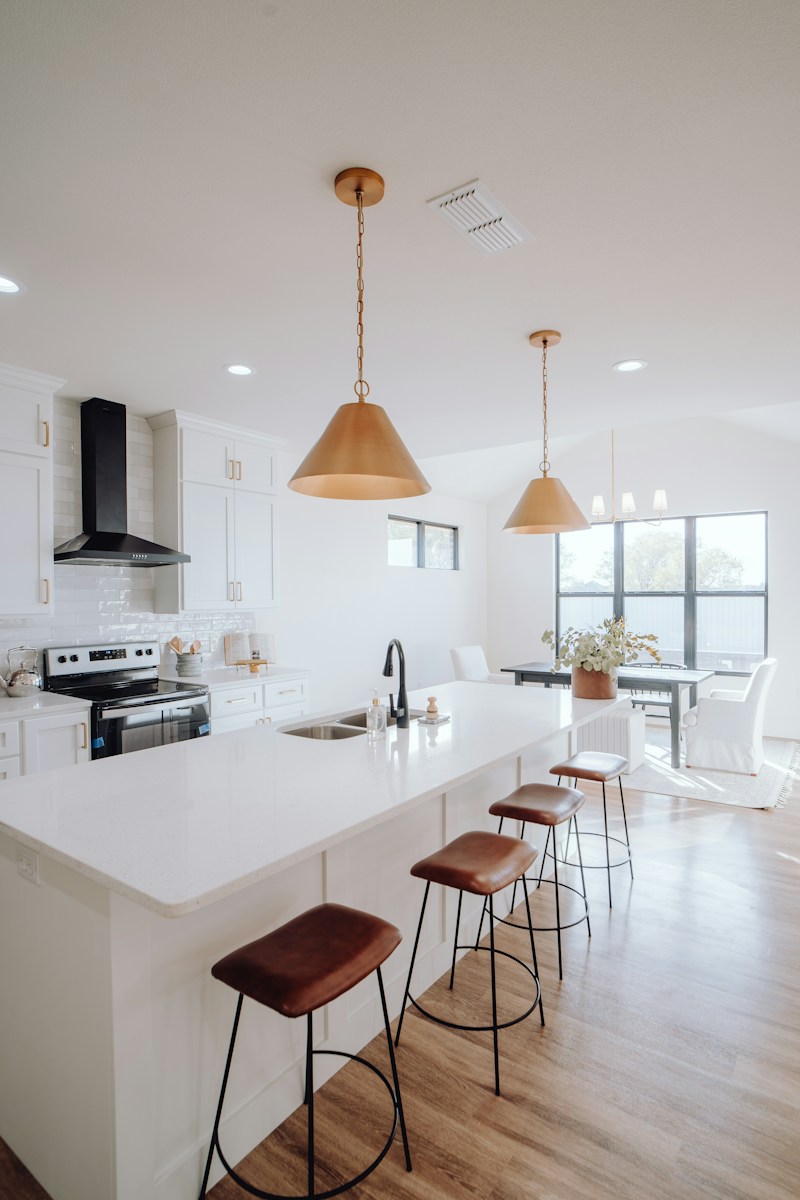
Some homes wear their decade proudly, and a certain kind of Boomer house has managed to stay almost perfectly preserved since somewhere around 1978. Walk in and you can practically date the last major renovation just by looking at the walls, the floors, and the appliances.
None of this happened by accident — every one of these choices was genuinely fashionable once, often for good reason. But together, they create a look so specific it functions almost like a decorating time stamp. Here are nine choices behind that unmistakable time-capsule effect.
Wood Paneling on Every Wall
Dark, grooved wood paneling covering entire rooms was one of the defining looks of the 1960s and ’70s, prized for making a space feel instantly warmer and more finished with minimal labor. Apartment Therapy’s history of the trend traces its rise to cheap, fast home improvement during a postwar building boom. It’s also, notably, starting to trend back into modern design in a lighter, more selective form, proving the material itself was never really the problem, just the wall-to-wall commitment to it.
Shag Carpet in Deep, Saturated Colors
Thick, deep-pile shag carpet in avocado green, burnt orange, or deep gold defined flooring for an entire era, valued for its plush texture and bold color statement. As its documented history shows, the style rose fast in the ’70s and fell out of favor just as quickly once cleaning and allergen concerns became more widely understood. A home that’s kept its original shag carpet decades later is holding onto one of the most recognizable flooring choices of the entire era.
Popcorn Ceilings Throughout
That bumpy, textured ceiling finish wasn’t just a style choice, it was also a fast, inexpensive way to hide construction imperfections and dampen sound. According to its documented history, some versions manufactured before the material was regulated for asbestos content in the late 1970s require careful testing before any renovation. A home that’s never touched its original popcorn ceiling is, quite literally, wearing a construction choice straight from that decade.
Harvest Gold and Avocado Green Appliances
Kitchens finished in harvest gold or avocado green appliances are about as unmistakable a time stamp as a home can have. Both colors, as their design history confirms, exploded in popularity during the 1970s as manufacturers moved away from all-white kitchens toward warmer, earthier tones that matched the decade’s broader design mood. A refrigerator or stove still running in one of these original colors is a genuine survivor of that entire design moment.
A Floral Couch With Matching Drapes
Coordinating an entire room’s fabric — sofa upholstery, curtains, sometimes even throw pillows — in one matching floral pattern was a serious design commitment, requiring the fabric to be ordered and installed as a single cohesive scheme. It signaled real intentionality rather than a room pulled together piecemeal. A living room where the couch and the curtains are still cut from the same busy floral fabric is holding onto one of the most labor-intensive decorating choices of its era.
Brass Fixtures on Everything
Polished brass wasn’t just for doorknobs and cabinet pulls in a lot of Boomer homes — it showed up on light fixtures, mirror frames, faucet handles, and stair railings, all in the same warm gold tone. It was considered the height of finished, upscale detailing at the time. A home where every metal surface still gleams in that same uniform brass is preserving a genuinely comprehensive design decision rather than a single leftover fixture someone forgot to update.
A Wallpaper Border Running Along the Ceiling
A decorative strip of patterned wallpaper, run in a thin band where the wall meets the ceiling, was a popular finishing touch meant to add polish without covering the whole wall in pattern. It was often chosen to coordinate with the room’s main color scheme below it. A home that’s held onto its original border, usually a bit yellowed and curling slightly at the seams by now, is preserving a very specific and very dated finishing detail few homes still install today.
A Curio Cabinet Full of Collectibles
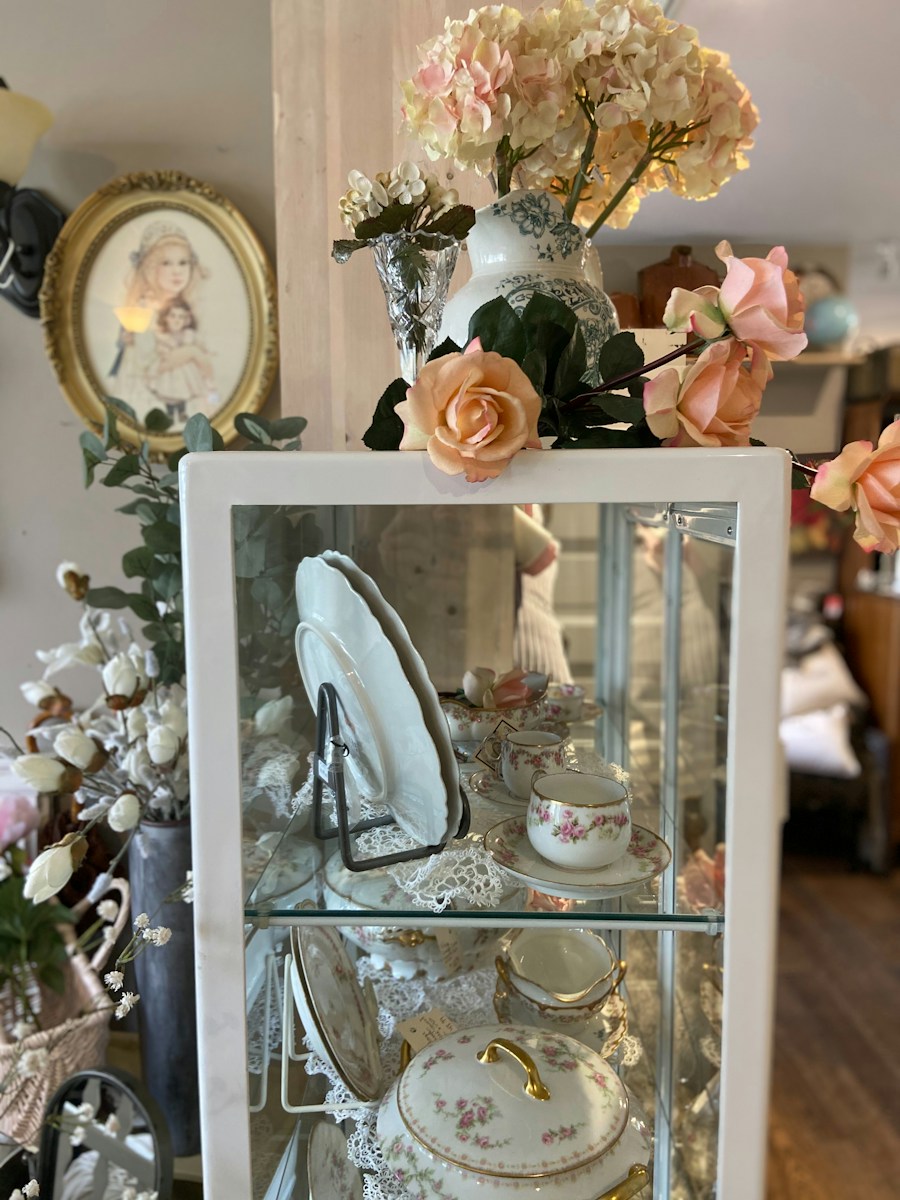
A glass-fronted cabinet dedicated entirely to displaying small collectibles — figurines, commemorative plates, souvenir spoons — was a genuine point of pride in many Boomer living rooms, each item collected deliberately over years. It functioned as both storage and a kind of personal museum. A home where that cabinet is still intact, dusted regularly and untouched in its arrangement, is preserving an entire decades-long collecting habit in one single piece of furniture.
A Wall of Photos in Identical Frames
Rather than an eclectic gallery wall, many Boomer homes displayed family photos in a uniform set of matching frames, usually gold or dark wood, arranged in a tidy grid along a hallway or staircase. The look prioritized order and consistency over the more layered, mismatched gallery style favored today. A hallway still lined with that same identical frame set, photos unchanged for years, is one of the clearest visual markers of a home that has genuinely stopped in time.

Leave a Reply