

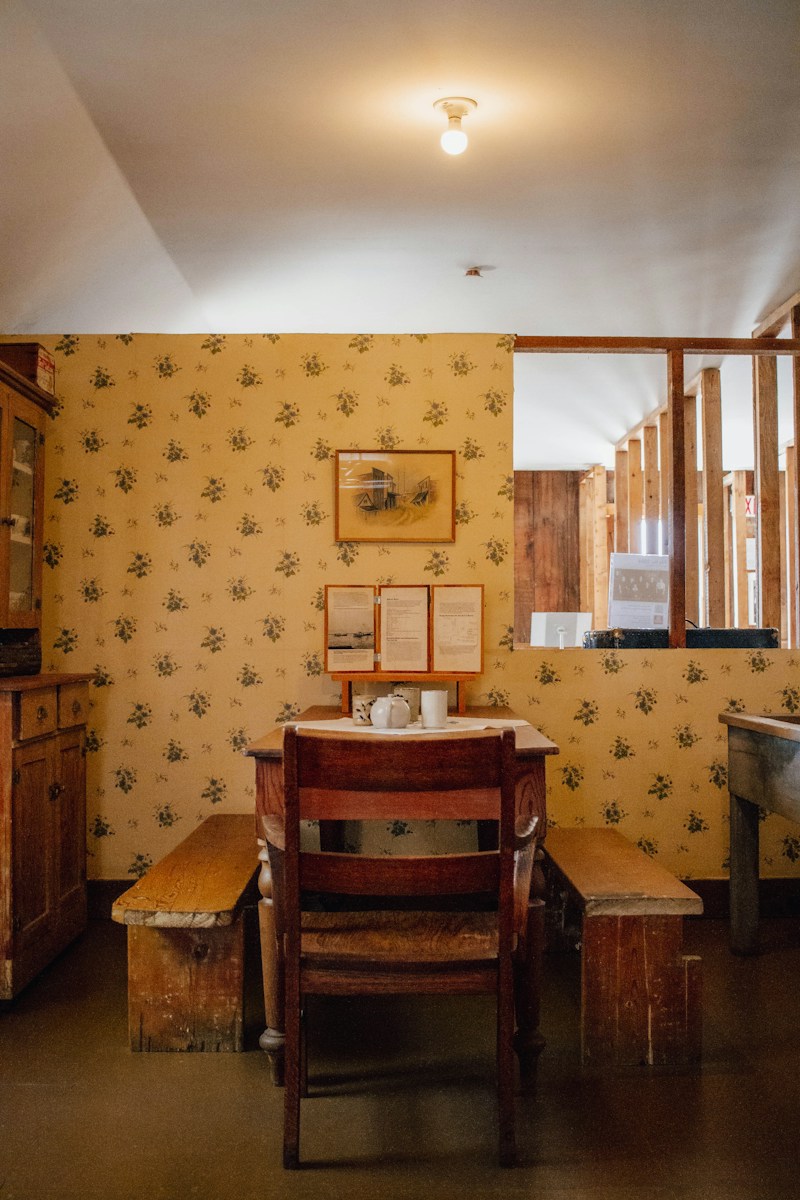
Some homes wear their decorating decade proudly, and there is nothing wrong with that. But certain choices signal a specific era so unmistakably that walking into the room feels less like visiting family and more like stepping into a museum exhibit that never got updated.
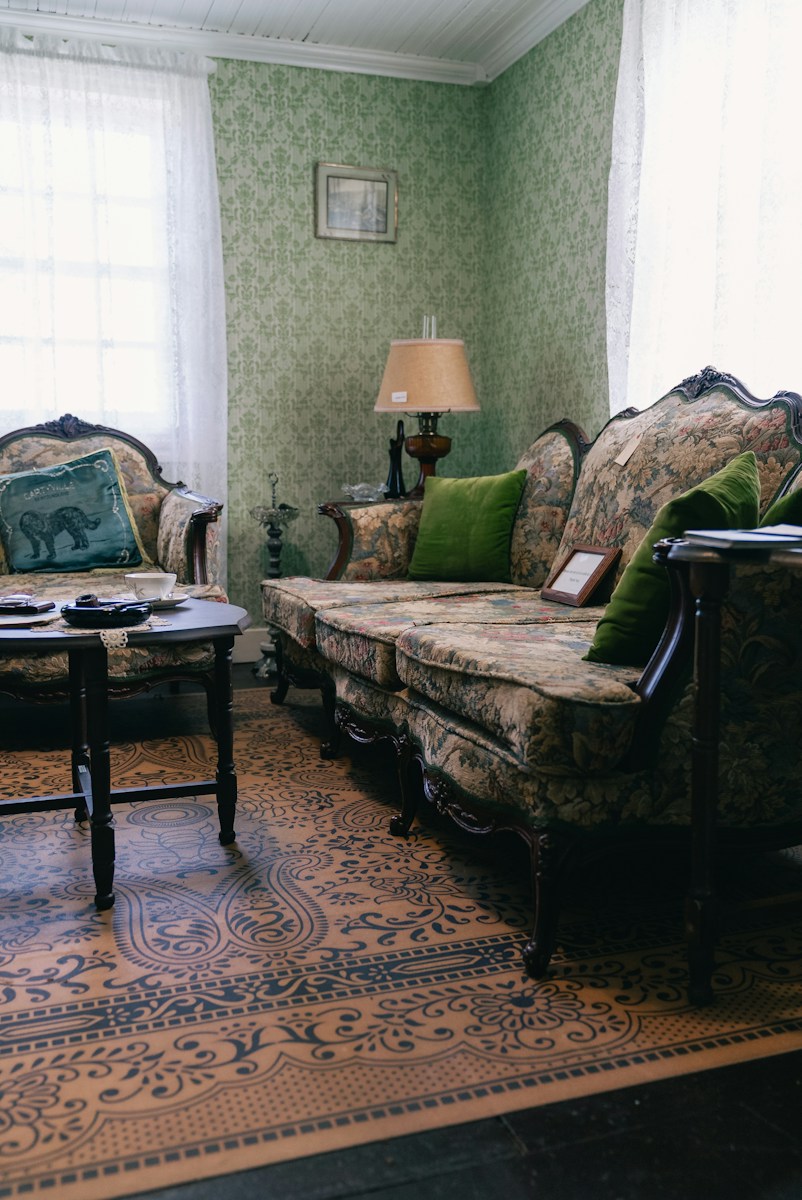
Here are nine decorating choices that instantly transport a room back several decades, whether that was the intention or not.
Harvest Gold or Avocado Green Anywhere
Few colors date a home faster than harvest gold or avocado green, the defining palette of kitchen appliances and bathroom fixtures throughout the 1970s. As design writers have noted, the avocado fridge in particular became almost shorthand for the entire decade’s aesthetic. When these colors show up on an original, unreplaced appliance or a bathroom sink and tub combo, the room instantly reads as untouched since installation. Gen Z tends to find the colors genuinely charming in small vintage-shop doses, but a full kitchen or bathroom committed to the palette reads less like an intentional retro choice and more like a home that simply never got its next renovation.
Popcorn Ceilings Throughout the House
Textured, bumpy popcorn ceilings were once prized for hiding imperfections and dampening sound, and they were installed in homes across the country for decades. Now they read almost instantly as a marker of an older, unrenovated house, partly because the texture has fallen so far out of style and partly because many contain asbestos in homes built before the late 1970s, making removal a genuine project rather than a simple scrape. A home with popcorn ceilings in every room, untouched since the original build, tends to feel frozen in time regardless of how updated the rest of the decor might be, since the ceiling is one detail nearly impossible to ignore once noticed.
Heavy Floral Wallpaper Border Near the Ceiling
A wallpaper border running along the top of the walls, usually in a busy floral or country print, was an incredibly popular finishing touch in the eighties and nineties, meant to add a decorative accent without wallpapering an entire wall. It has aged into one of the more immediately dating details a room can have. Gen Z generally favors either full accent walls or no wallpaper at all, treating the decorative border specifically as a relic of a very particular design moment. Its presence alone, even in an otherwise neutral room, tends to be enough to place the decorating firmly in a specific decade.
Dried Flower Arrangements in the Same Spot for Years
A dried or silk flower arrangement, often dusty and faded from years in the same sunny spot, is a small but telling detail in a lot of time-capsule homes. It requires zero maintenance, which was the entire appeal, but that also means it can sit unchanged and slowly deteriorating for a decade or more without anyone noticing. Gen Z tends to prefer either real, regularly replaced flowers or no floral arrangement at all, finding the faded, dusty dried version more melancholy than decorative. Its continued presence, untouched, often signals a room that has not been meaningfully refreshed in a very long time.
Brass Fixtures With a Distinctly Shiny, Yellow Finish
Bright, polished brass fixtures, on cabinet handles, light fixtures, and doorknobs throughout the house, were an enormously popular finish choice for decades, prized for their warm, formal shine. Modern taste has moved toward brushed or matte metal finishes in black, nickel, or a much more muted brass tone. A home with the bright, highly reflective original brass finish still intact throughout, especially paired with other unchanged fixtures, tends to read as a snapshot of a very specific renovation era rather than a current or recently updated space, even when the fixtures themselves are still in good working condition.
A Collection of Commemorative Plates on the Wall
Decorative plates, often commemorating a place visited, a royal event, or a holiday, mounted in special display frames along a dining room or hallway wall, were a genuine collecting hobby for a lot of Boomers. Gen Z tends to view wall-mounted collectible plates as a very specific, easily datable choice, rarely incorporated into a more current decorating style. When a plate collection remains prominently displayed exactly where it has always been, it functions almost like a decorating fossil record, marking the exact era when that particular collecting trend was at its peak.
Matching Valances Over Every Window
Fabric valances, often in a busy print matching other elements in the room, topping every window in the house, was a hallmark of a very put-together, finished look for decades. Gen Z window treatments tend to be simpler, favoring clean curtains or blinds without an additional decorative topper. A home where every single window still has its original matching valance, especially if the fabric has faded unevenly from sun exposure, reads as a space that has not seen a significant refresh since the valances were first installed, often decades earlier.
Shag or Deep-Pile Carpet in Original Condition
Thick shag carpet defined a specific era of home design, and its rise and fall tracked closely with broader design trends of the time. When original shag carpet survives intact, often in a bedroom or a formal living room that saw less foot traffic, it is one of the most immediate visual cues that a room has not been touched in decades. Gen Z generally prefers low-pile or hard flooring, both for easier cleaning and for the flatter, more current look, making surviving shag carpet one of the clearest markers of an untouched, original room.
A Console Television Doubling as a Furniture Piece
Large wooden console televisions, built to function as an actual furniture piece rather than just a screen, once anchored living rooms as both entertainment and decor. Even when the internal television no longer works or has been swapped for something modern, the wooden cabinet itself often remains, sometimes repurposed as a bar or plant stand. Its continued presence, especially unaltered, marks a room clearly as one that has retained its original bones for a very long time, since almost nothing about modern television technology requires or benefits from furniture built quite this way anymore.

Leave a Reply