

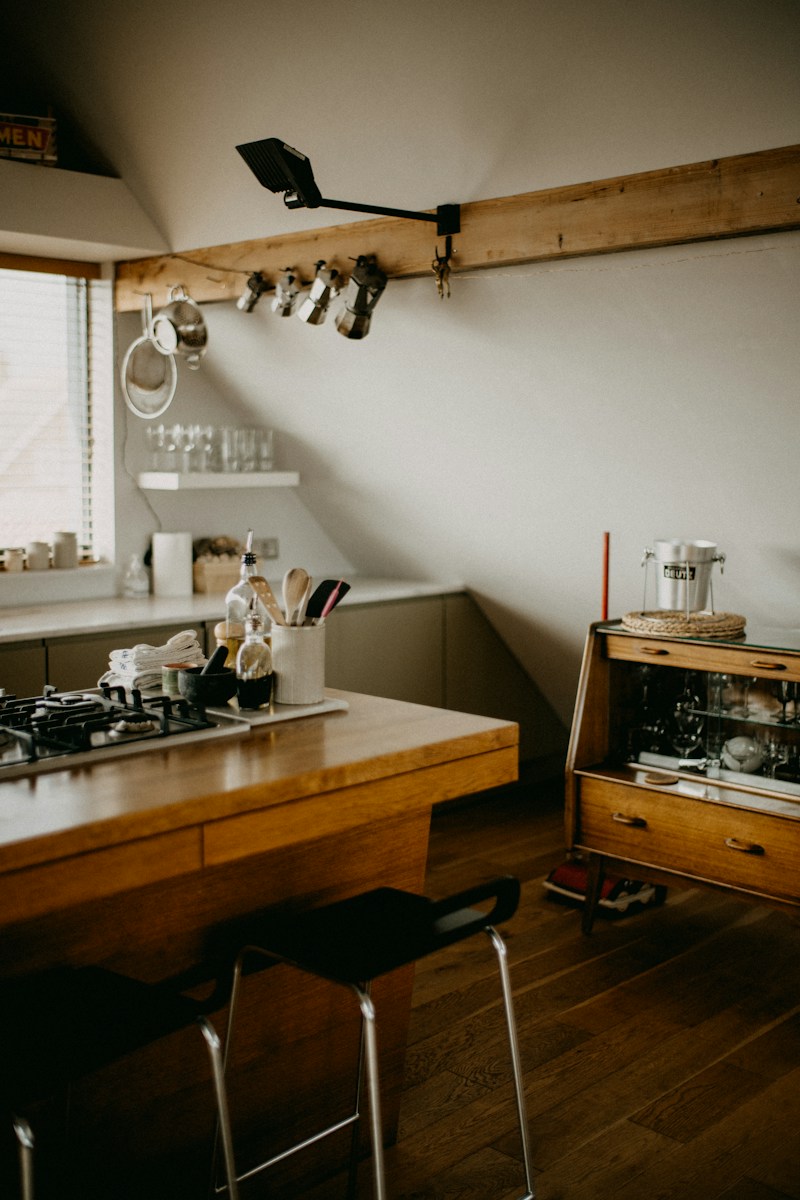
Some homes feel dated because of one big obvious thing — a shag carpet, a wall of wood paneling. Others get there more quietly, through a set of small ongoing habits that, individually, seem harmless but collectively freeze a house in whatever decade those habits started.
These aren’t decorating choices so much as maintenance philosophies, and they tend to run in families. Here are nine of the most common.
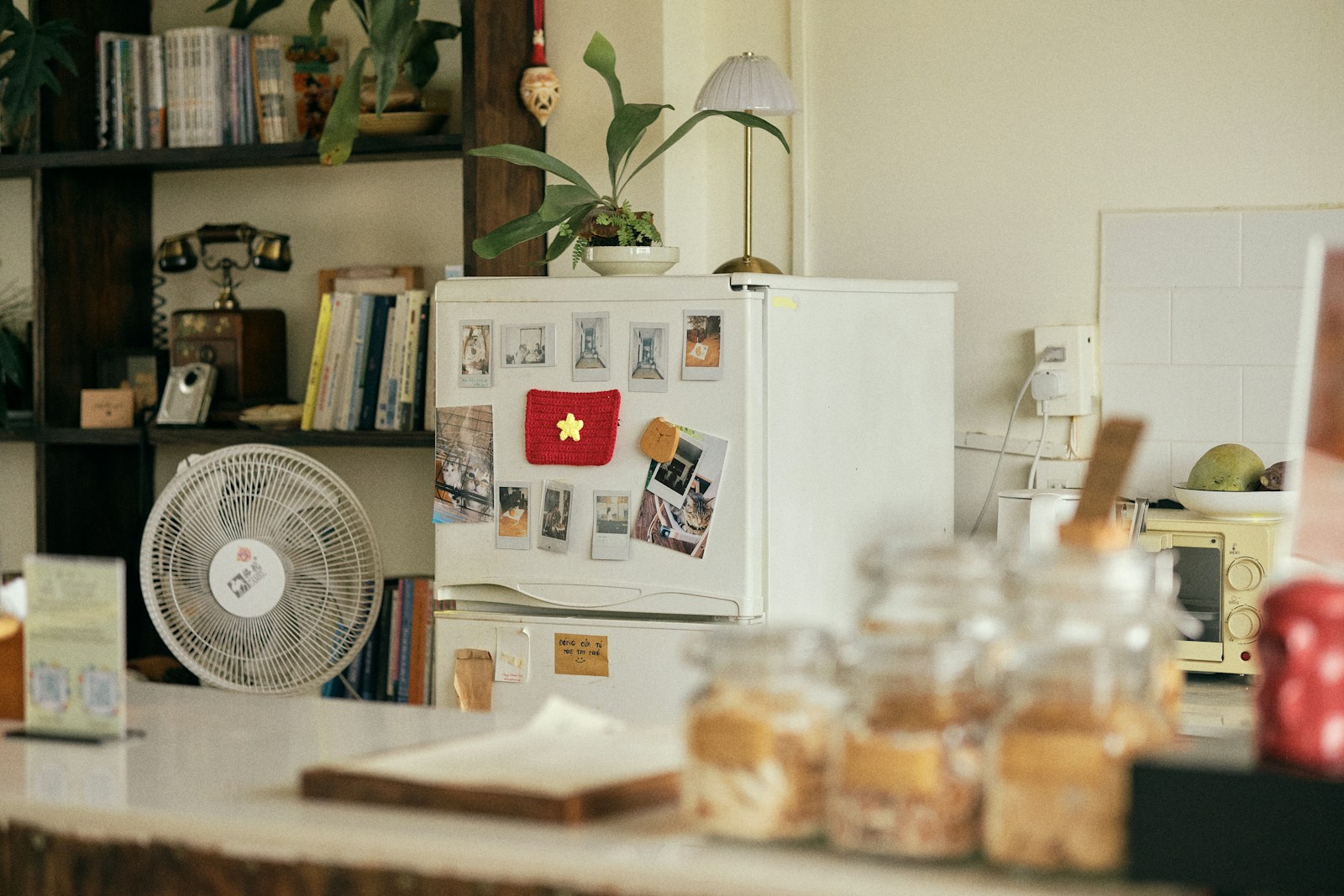
1. The Same Wall Color for Thirty-Plus Years
Once a paint color is chosen and the room looks good, there’s a strong instinct to simply leave it alone indefinitely rather than repaint every several years the way current design advice recommends. It’s a genuinely reasonable position — if it isn’t broken, why redo it? But paint colors, more than almost any other design element, are tied tightly to the decade they were popular in, and a room that hasn’t been repainted since the 1990s tends to announce its age immediately, regardless of how well-maintained everything else in the house is.
2. Keeping Outdated Electronics on Display
A CRT television, a VCR still wired up and functional, or a boombox kept on a shelf “just in case” reflects a practical mindset: if it still works, why replace it? For a generation that grew up without built-in obsolescence baked into every device, keeping working electronics running for decades felt like basic common sense rather than a nostalgia statement. It just happens to make the entertainment center read as a small museum exhibit to anyone under thirty.
3. Window Air Conditioning Units Instead of Central Air
Installing a window unit in each room that needs cooling, rather than investing in a whole-house central air system, was a genuinely cost-effective solution for decades, especially in older homes not originally built with ductwork for air conditioning. It solves the actual problem without a major renovation. But a house with multiple window units bristling from its exterior reads, fairly or not, as a home that’s deferred a significant modern upgrade, and it’s often one of the first things a younger buyer mentally budgets to replace.
4. Original Light Fixtures From the Build Date
Brass-and-glass flush-mount fixtures, ceiling fans with matching light kits, and vanity bars of exposed round bulbs frequently stay in place for the entire life of a house, simply because they still function and replacing a working fixture feels wasteful. Lighting design has shifted considerably since most of these fixtures were installed, and because lighting fixtures are relatively cheap and easy to swap compared to bigger renovations, an outdated fixture is often one of the very first things a new owner changes.
5. Plastic Covers Left on Furniture for Decades
The instinct to protect a couch or armchair with a plastic slipcover, kept on well past any reasonable break-in period, comes from treating furniture as a long-term investment worth safeguarding at nearly any cost to comfort. It’s an effective preservation strategy — furniture protected this way often does last remarkably long. It’s also one of the most immediately recognizable signals of a home that hasn’t updated its approach to furniture in a very long time.
6. A Landline That’s Kept ‘Just in Case’
Maintaining a home phone line and physical handset for decades after most communication has shifted to cell phones reflects a reasonable caution: landlines are more reliable during power outages and don’t depend on a charged battery. It’s a genuinely practical argument. It’s also a monthly bill and a piece of equipment that most younger visitors haven’t personally used in years, which makes it stand out as a holdover the moment they notice it.
7. A Thermostat With No Smart Features
A basic dial or manual digital thermostat, adjusted by hand and never connected to an app or a schedule, works exactly as intended and has for decades — there’s nothing actually wrong with it. But smart thermostats have become such a default expectation in newer or renovated homes that a manual dial reads as a small but clear marker that the house hasn’t had any updates to its systems in quite a while.
8. Wallpaper That’s Simply Never Come Down
Once wallpaper is up, removing it is a genuinely unpleasant job involving steamers, scoring tools, and a fair amount of patience, so a lot of households simply leave it in place indefinitely rather than deal with the process. That’s an entirely rational response to a difficult task. It also means a lot of homes are still wearing wallpaper chosen thirty or forty years ago, which ages a room more definitively than almost any other single feature.
9. Treating the Garage as Long-Term Storage
Boxes, holiday decorations, old furniture waiting for “someday,” and years of accumulated household items tend to fill garages to capacity in homes owned for a long time, reflecting a reasonable reluctance to throw away things that might still be useful. Younger buyers, often coming from smaller rentals where they’ve had to stay ruthless about what they keep, tend to see a fully packed garage less as sentimental storage and more as a weekend project they’ll eventually have to tackle themselves.

Leave a Reply