

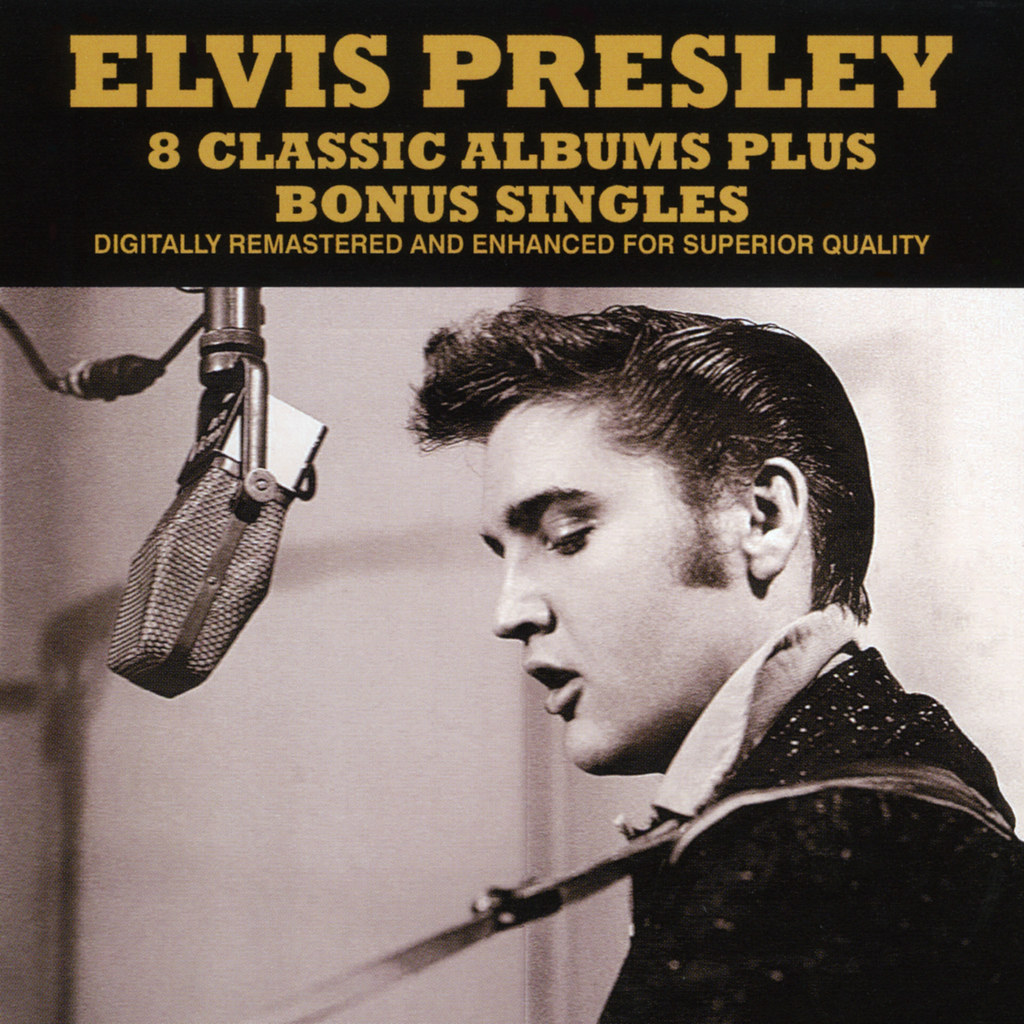
On the night of September 9, 1956, a 21-year-old from Memphis sat down in front of a CBS camera in Hollywood, sang four songs he didn’t even perform live in the same building as his host, and ended up in front of 82.6 percent of every television set turned on in America. Sixty million people watched, according to History.com’s account of the broadcast, and no single scheduled entertainment program has matched that share of the national audience since. Not because nothing since has been good enough — because there stopped being a single room everyone was standing in.
The Booking Nobody Wanted to Make
Ed Sullivan had spent months insisting Elvis Presley was, in his own words, “not my cup of tea,” and initially called him unfit for family viewing. The hip movements that made teenage girls scream were, to a 1956 network executive, a genuine broadcast-standards problem. Sullivan changed his mind only after watching Presley post huge ratings on competing variety shows — proof that the audience wanted him whether or not the host approved.
The deal that resulted was staggering for its era: $50,000 for three total appearances, an unprecedented sum at the time, negotiated by Colonel Tom Parker with the leverage of a client who could apparently move a television dial by himself. Sullivan himself never even hosted the debut — he was recovering from a car accident, so British actor Charles Laughton introduced Presley from New York while Presley performed from a CBS studio in Los Angeles, where he was mid-shoot on his first film. Two men who’d never share a stage carried the same broadcast to the same 60 million living rooms.
Ninety Minutes That Rewired the Ratings Book
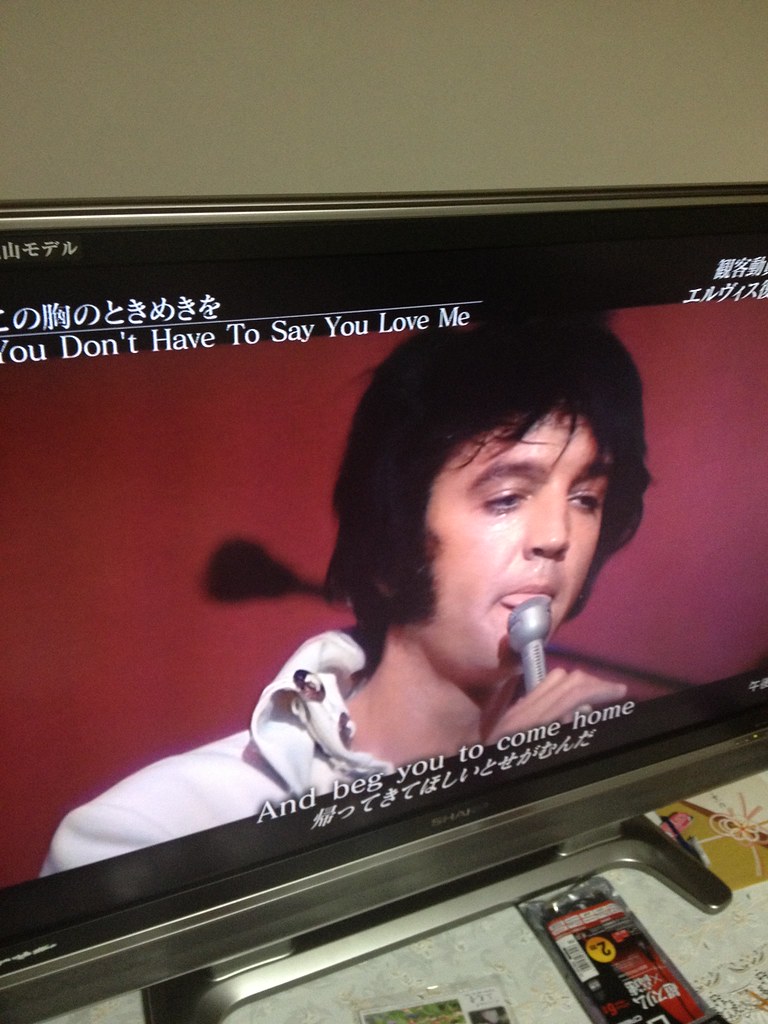
Presley opened with “Don’t Be Cruel,” worked through “Love Me Tender” and “Ready Teddy,” and gave the country a taste of “Hound Dog” — songs from an artist whose debut album and “Heartbreak Hotel” single had already sold in numbers that made networks nervous and curious in equal measure. The show pulled its best ratings in two years and became, by multiple accounts, the most-watched broadcast of the entire decade. That 82.6 percent figure isn’t a rounding trick or a small-sample stat: it means that for roughly ninety minutes, nearly every household in the country with a television on had it tuned to the same channel, watching the same 21-year-old.
Even the backlash became part of the broadcast’s mythology. By his third appearance that January, cameras were instructed to frame Presley from the waist up for most of the performance — a direct, if half-hearted, response to complaints about his dancing. The censorship didn’t cool the phenomenon down; if anything it confirmed there was something worth censoring, which is its own kind of ratings engine. Sullivan, for his part, came around completely, telling his audience afterward that Presley was “a real decent, fine boy” and that the show had “never had a pleasanter experience with a big name.”
Why the Number Still Stands
Compare that 82.6 percent to anything from the streaming era and the math stops making sense. A show doesn’t need a fraction of that share today to be declared a runaway hit, because the denominator itself has fractured into a thousand separate screens, apps and time zones. In 1956, there were only three networks and one appointment; if you owned a television, the odds were overwhelming that on that particular night, you were watching Elvis. That’s not a statement about Presley’s talent so much as it’s a snapshot of a media landscape that no longer exists anywhere — a single broadcast literally could not be ignored, because there was nowhere else to look.
It’s worth remembering the show wasn’t even Presley’s network TV debut — he’d already logged appearances on rival programs that quarter, which is exactly what forced Sullivan’s hand in the first place. What made September 9 different wasn’t discovery, it was consolidation: the moment every holdout audience member who’d been avoiding the Presley conversation got pulled into the same room, on the same night, whether they’d meant to tune in for him or not. Later Sullivan bookings — the Beatles in 1964 chief among them — would chase that same lightning with the same format, and none of them, by the numbers, ever quite caught up to what a 21-year-old from Memphis did with four songs and a borrowed West Coast studio.
What the Ed Sullivan appearance actually captured wasn’t just a rising star; it was the last moment television could deliver an entire nation the same experience at the same second, whether the gatekeepers wanted to book it or not.

Leave a Reply