

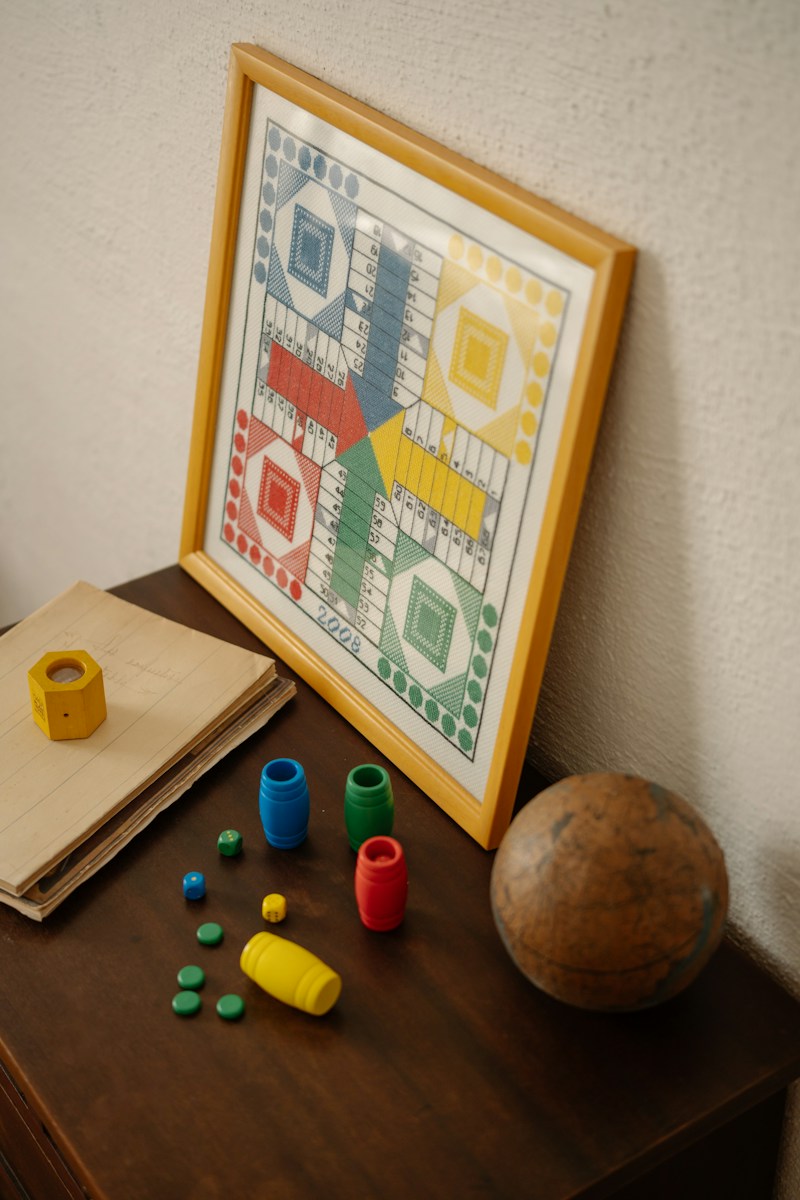
Church rummage sales have a different rhythm than estate sales or garage sales. The goods are almost always donated by longtime congregation members and their extended families, which means the tables are often filled with decades of accumulated household items, many of them untouched since they were given as wedding gifts or handed down from a parent’s home. Pricing tends to be done quickly by volunteers focused on raising money for the church rather than researching individual items, which makes these sales a genuinely good hunting ground for anyone willing to look closely.
Because the goal of a rummage sale is turnover, not top dollar, the best finds often sit quietly on a folding table priced at a dollar or two. Here are eight things worth grabbing before someone else beats you to the table.
Community and Church Fundraiser Cookbooks
Nearly every church has produced at least one spiral-bound cookbook filled with recipes submitted by congregation members, and these small-run community cookbooks are genuinely collectible as regional culinary history. They were typically printed in limited quantities for a single fundraiser and never reprinted, which means surviving copies, especially from churches or towns with a strong local following, can be difficult to track down decades later. Even beyond any resale interest, these cookbooks are wonderful for the recipes themselves, often featuring dishes tied to a specific community’s traditions that never made it into any published cookbook. A cookbook table at a rummage sale is one of the most reliably underpriced spots in the entire event.

Vintage Glass Christmas Ornaments
Boxes of Christmas decorations show up at nearly every rummage sale, and buried among the modern plastic ornaments are often genuinely old glass pieces, sometimes hand-painted, with a mercury glass finish or delicate hand-blown shapes from decades past. These ornaments are fragile and were often broken over years of use, so a box with several intact vintage glass ornaments represents real survivors from an era when ornaments were made individually rather than mass-produced from plastic. Collectors specifically seek out figural shapes, like vegetables, birds, and houses, over simple round balls. It’s worth digging past the modern tinsel to see what’s tucked into the bottom of the box.
Hand-Embroidered Linens
Tablecloths, dresser scarves, and pillowcases with hand embroidery are a rummage sale staple, often donated after a family member passes away and nobody in the family has room to keep every linen they inherited. These pieces represent hours of handwork that simply isn’t done anymore, and collectors of vintage textiles value hand embroidery specifically for the individuality of each stitch pattern, which machine embroidery can’t replicate. Because linens fold flat and take up little space, rummage sale volunteers often price entire boxes for just a few dollars, making this one of the best value categories at any church sale.
Old Hymnals and Devotional Books
Rummage sales often clear out extra hymnals and devotional books that a congregation no longer uses after switching to a new edition or moving to projected lyrics. While most of these have modest resale value, older hymnals with distinctive cover designs or those tied to a specific denomination’s history can be of interest to religious history collectors and genealogists researching a family’s church background. Even when the monetary value is minimal, these books are worth a look for anyone interested in the printed history of American religious life.
Vintage Costume Jewelry
Jewelry tables at rummage sales are typically priced to move quickly, with pieces bundled into bags or sold for a dollar apiece regardless of what they actually are. This makes them a prime spot to find signed costume jewelry from established mid-century makers, since volunteers pricing the table are rarely trained to spot a designer signature stamped into the clasp. Vintage jewelry pricing resources show that signed pieces can be worth many times what an unmarked piece would bring, which makes a slow, careful look through every piece on the table worth the extra few minutes.
Pyrex and Corningware Kitchenware
Kitchen donation boxes at church sales are usually a jumble of mismatched dishes, and buried in that jumble are frequently pieces of vintage Pyrex or Corningware in patterns that have been discontinued for decades. Marketplace data for vintage Pyrex shows that patterned pieces in good condition can be worth considerably more than their rummage sale price tag suggests, especially when a full nesting set turns up intact. Checking the bottom of every dish in a kitchen box, rather than assuming it’s all ordinary tableware, is a habit worth developing at these sales specifically.
Complete Vintage Puzzles and Games
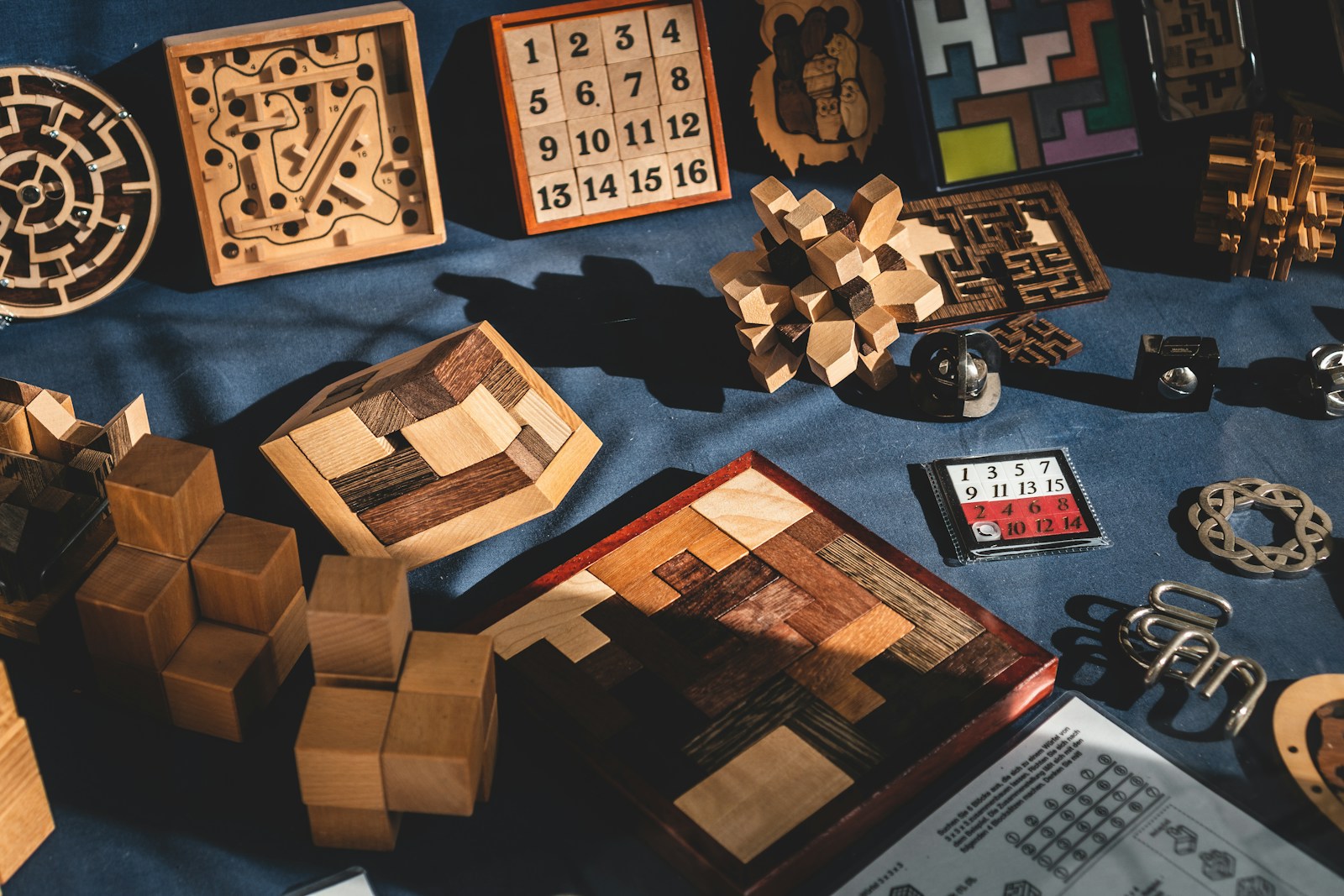
Puzzles and board games donated to rummage sales are a gamble, since pieces frequently go missing over years of family use, but a complete vintage puzzle or board game in its original box is a genuine find worth checking for. Wooden jigsaw puzzles in particular, especially hand-cut examples from small regional puzzle makers, have a dedicated following among puzzle collectors who specifically seek out older, more challenging cutting styles that mass-produced cardboard puzzles don’t replicate. It only takes a minute to count pieces against the box’s stated total before deciding whether a puzzle is worth taking home.
Sewing Notions and Craft Supplies
Boxes of buttons, thread, trim, and fabric scraps show up at almost every rummage sale, usually donated by someone who quilted or sewed for decades and never used every notion they accumulated. Vintage buttons made from natural materials like Bakelite, bone, or hand-carved mother-of-pearl are genuinely collectible, and quilters specifically seek out vintage fabric remnants for restoration projects on older quilts. A box of what looks like leftover craft supplies is often exactly the kind of raw material that a dedicated hobbyist would be thrilled to find for a few dollars.

Leave a Reply