

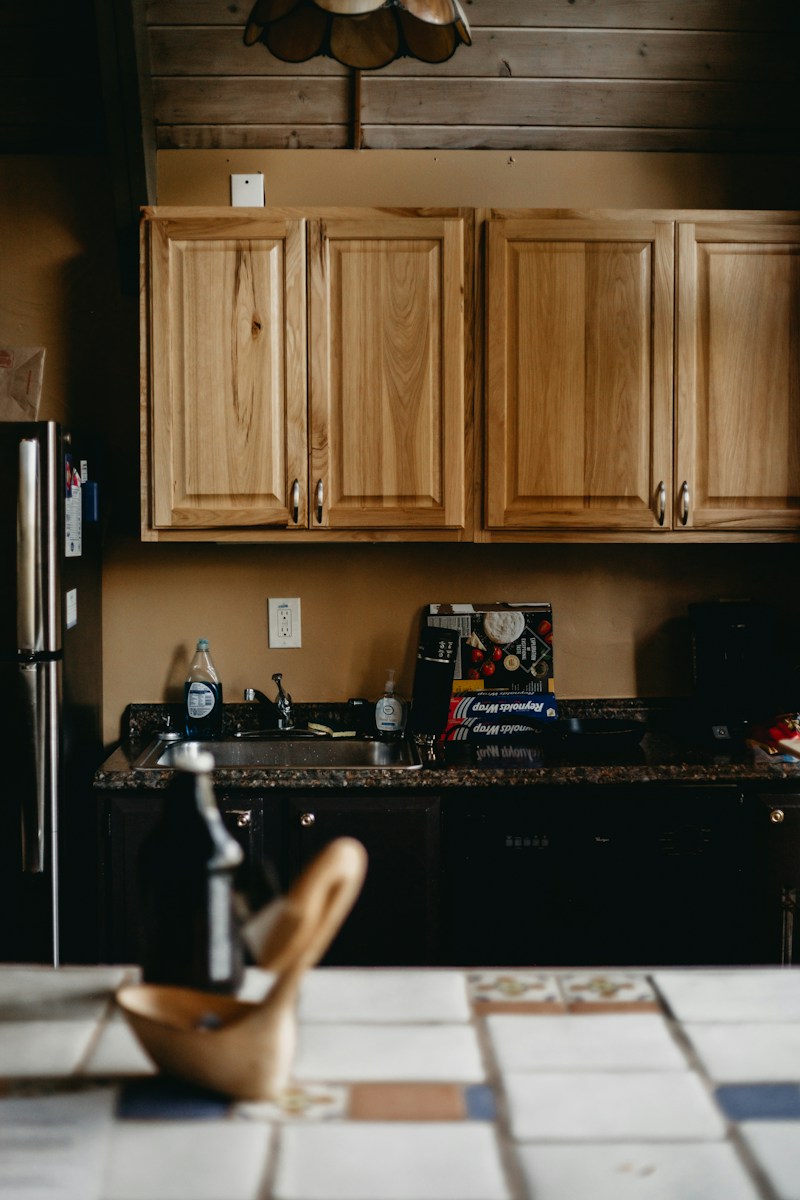
A kitchen wrapped entirely in honey oak cabinetry is one of the most recognizable time stamps in American home design — a look that dominated new construction and remodels from the late 1980s through the 1990s. As Apartment Therapy has noted, the material itself is durable and genuinely well-made, which is exactly why so much of it is still standing decades later.
Gen Z homebuyers walking into one of these kitchens rarely think it’s beyond saving — they just have a very specific list of changes in mind before they’d call it done. Here’s what tops that list.
1. Paint the Cabinet Boxes a Solid Color
The single most common first move is a full repaint, taking the warm yellow-orange oak tone down to white, soft green, or a deep navy. It’s a relatively affordable way to completely reset the feel of a kitchen without touching the cabinet boxes themselves, since the wood underneath is typically structurally solid. For a generation prioritizing a lighter or more curated color palette, painting over the wood grain entirely usually ranks well above trying to work around it.
2. Swap Out Every Piece of Brass Hardware
Small brass knobs and pulls, often shaped like teardrops or simple round knobs, are practically standard-issue on oak cabinets from this era. Younger renovators tend to replace them wholesale with matte black bar pulls or a warmer, less shiny brass, a relatively low-cost swap that changes the character of the whole kitchen more than its size would suggest. It’s frequently one of the very first purchases made after moving in, even before any bigger renovation work begins.
3. Replace the Laminate Countertops
Oak cabinet kitchens are frequently paired with speckled or boomerang-pattern laminate counters, often finished with a rounded metal edge trim that’s distinctly of its era. Swapping to quartz, butcher block, or even a plainer laminate in a solid color is high on most renovation wish lists, since the busy countertop pattern tends to clash even after the cabinets themselves have been updated. It’s usually treated as a package deal alongside the cabinet refresh rather than a separate project.
4. Add Contrast With a Painted Island
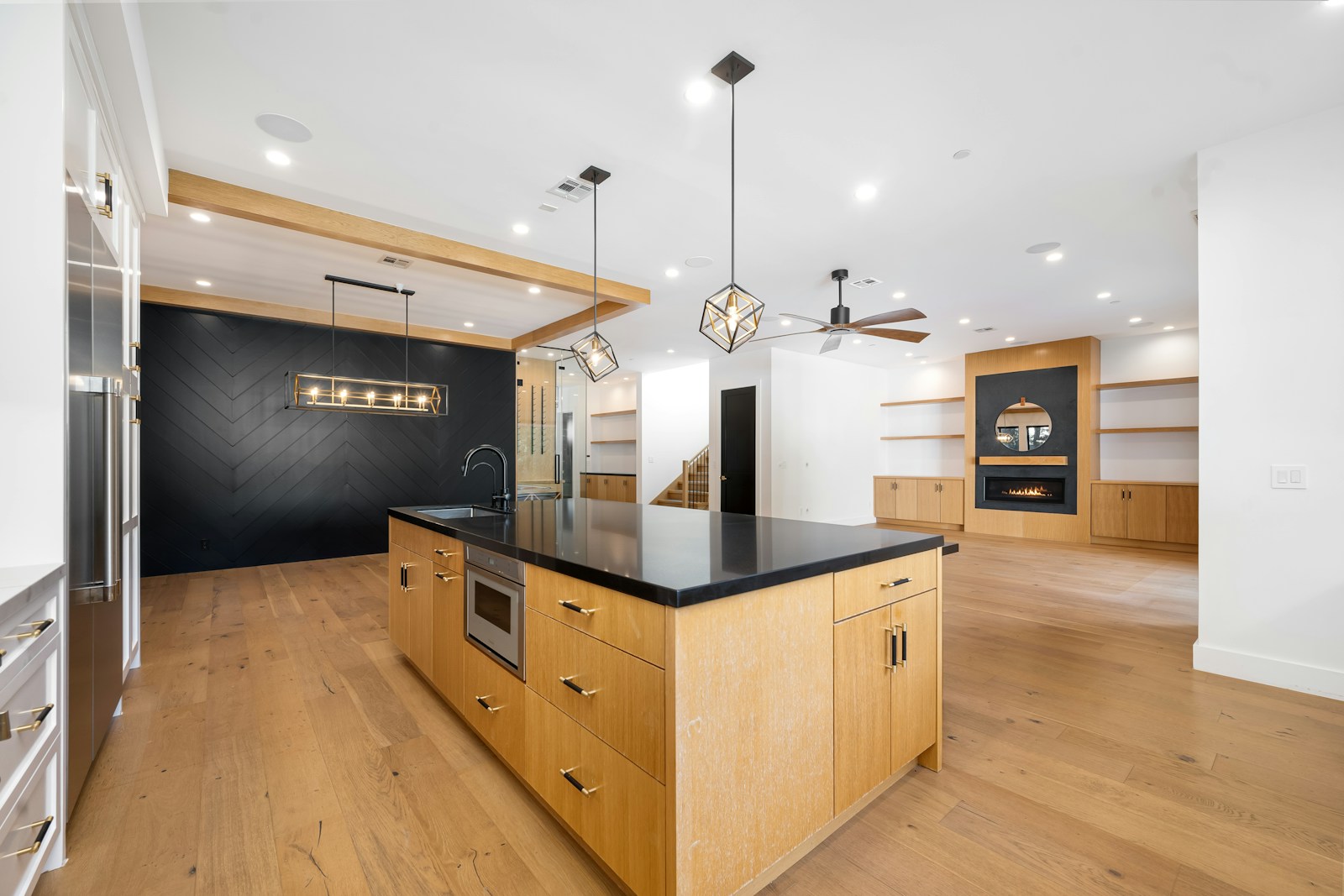
Where an original kitchen layout includes an island built from the same matching oak, a popular update is painting just the island a different, often darker or bolder color while leaving perimeter cabinets a lighter shade. This two-tone approach lets a renovation feel intentional and layered rather than like a single flat repaint, and it’s become one of the more common ways younger homeowners modernize a kitchen without the larger expense of replacing cabinet boxes entirely.
5. Open Up a Section With Floating Shelves
Removing one or two upper cabinets, typically flanking the range hood or above open counter space, and replacing them with simple floating shelves is a frequent move, trading enclosed storage for a lighter, more open feel. It also breaks up a long, uninterrupted run of matching cabinet doors, which is often what makes an oak kitchen feel especially heavy and dated in the first place.
6. Change the Cabinet Door Style Entirely
Many oak kitchens from this period use a raised-panel or ornately routed door style that reads as quite traditional. Rather than just painting over the existing doors, some renovators choose to replace door fronts entirely with a flatter, simpler shaker-style panel, keeping the original cabinet boxes but changing the overall silhouette to something that reads as more current without a full cabinet replacement.
7. Update a Busy, Coordinating Backsplash
These kitchens often pair oak cabinetry with a backsplash tile chosen specifically to complement the wood tone — think small mosaic tiles in earthy browns and creams. Swapping to a simple white subway tile or a plain painted wall is a common, comparatively inexpensive update that removes one more layer of dated pattern-matching, letting the newly painted or refreshed cabinets stand on their own instead of competing with a busy tile backdrop.
8. Add Real Layered Lighting
Kitchens from this era frequently rely on a single central overhead fixture, sometimes supplemented by that boxed fluorescent panel covering most of the ceiling. Adding under-cabinet lighting, a pendant or two over an island, and dimmable recessed cans is a near-universal item on the renovation list, since better lighting does more to modernize the overall feel of an oak kitchen than almost any single cosmetic change on its own.

Leave a Reply