

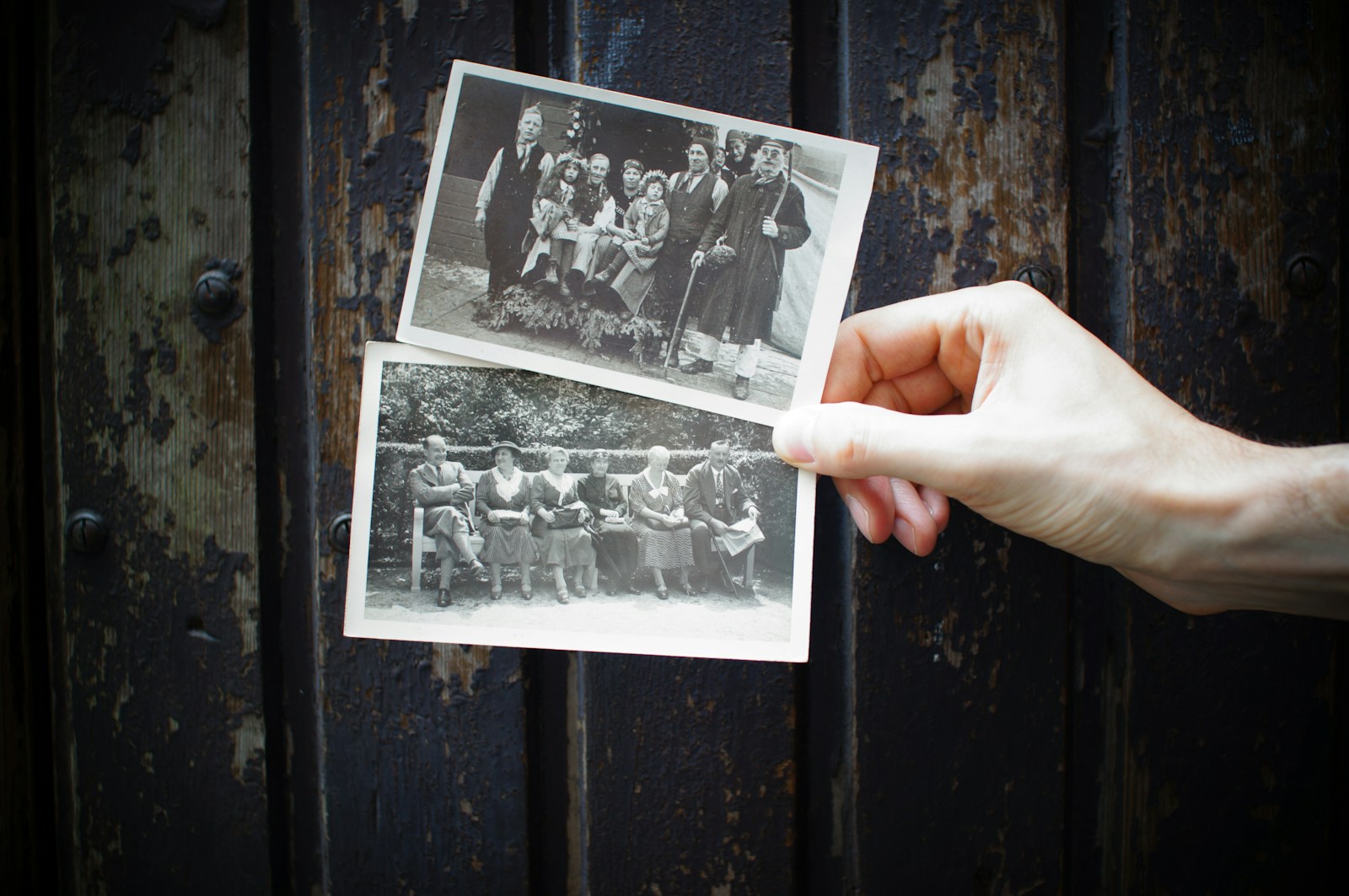
Boomers grew up in an era when a photo was a genuinely finite, physical object: one roll of film, twenty-four exposures, developed at the drugstore and handled with real care simply because there was no backup if something went wrong. That scarcity shaped some habits that look pretty risky in hindsight.
Gen Z, raised with unlimited digital storage and cloud backups, looks at some of these old photo habits and can’t imagine taking the risk. Here are eight things they say they’d never do with their own family photos.
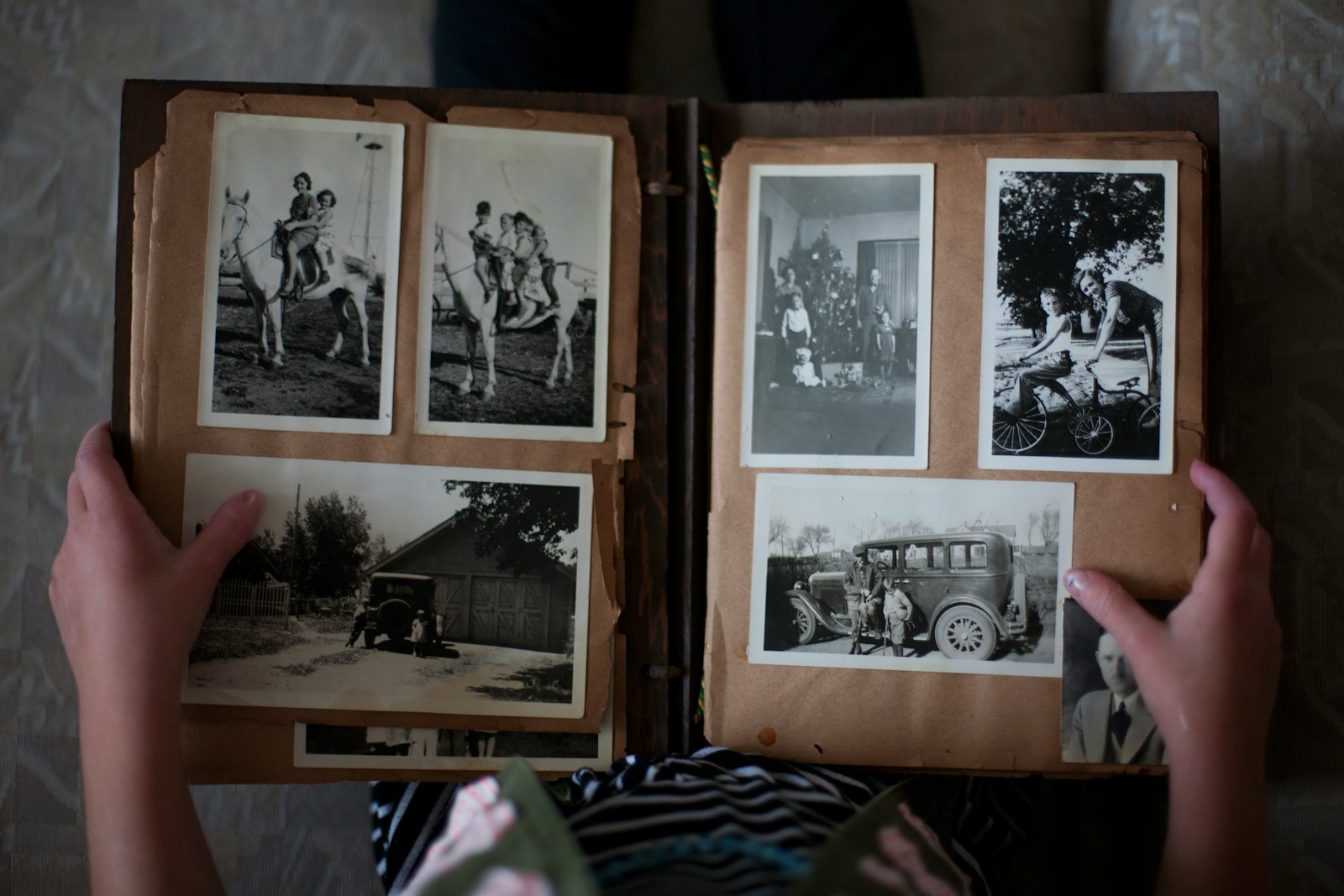
Keep Photos in a Box, Never Sorted or Labeled
A shoebox or bin stuffed with decades of loose, unsorted prints, dates and names never recorded anywhere, is a nearly universal feature of Boomer households. Finding a specific photo means digging through hundreds of unrelated ones with no system at all. Gen Z, used to searchable photo apps that sort by date, face, and location automatically, finds the idea of an entirely unsearchable physical archive genuinely stressful, and would rather digitize and tag everything immediately than let it pile up unsorted.
Only Photograph Milestone Events
Because film and developing cost real money per shot, Boomers tended to save their limited exposures for clear milestones: birthdays, holidays, graduations, leaving huge stretches of ordinary daily life completely undocumented. Every photo had to earn its place on the roll. Gen Z, taking dozens of photos a day at essentially no marginal cost, documents plain everyday moments just as readily as big events, and would never limit themselves to only capturing the “important” days.
Use Sticky-Page Photo Albums
Early photo albums used adhesive pages with a plastic overlay pressed directly onto the print, a design that seemed like a smart way to display photos but that actually degrades and yellows over time, sometimes permanently damaging the photo underneath if you try to remove it later. Countless family photos have been quietly ruined this way. Gen Z, aware of this specific archival hazard, would never choose a storage method that risks damaging the only copy of an irreplaceable photo.
Never Make a Digital Backup
A physical print or negative that exists in exactly one place is one house fire, flood, or misplaced box away from being gone forever, a real risk for decades of Boomer family photos that were never duplicated or digitized. It simply wasn’t standard practice at the time. Gen Z, for whom cloud backup is an automatic, near-invisible habit, would never let irreplaceable photos exist in only one physical form without at least one digital copy stored somewhere else.
Get Every Roll Developed and Never Look at the Prints Again
Rolls of film routinely got developed and then filed away in an envelope or drawer without ever being properly viewed, sorted, or displayed, the photos essentially disappearing into storage the moment they came back from the drugstore. Gen Z’s habit of immediately reviewing, sharing, and often printing or framing a favorite photo right after taking it means a picture rarely goes completely unseen the way an entire roll sometimes did for decades in a Boomer household.
Store the Only Copy of a Photo in One Single Place
A single physical print, with no negative saved or duplicate made, meant that photo’s entire existence depended on one object staying safe indefinitely. If it got lost, damaged, or thrown out by accident during a move, it was simply gone. Gen Z’s instinct toward redundancy — phone, cloud, sometimes a hard drive backup too — means the idea of a memory existing in exactly one fragile physical copy feels like an unnecessary risk not worth taking.
Skip Labeling Who’s in the Photo
Countless Boomer-era family photos exist with no writing on the back and no caption anywhere, leaving later generations to guess who the unfamiliar relatives in the picture actually are. At the time, everyone in the room already knew, so labeling felt unnecessary. Gen Z, more conscious of how digital photos naturally lose context over years without a caption or tag, tends to label or caption photos as a matter of habit specifically so the people in them aren’t a mystery decades later.
Keep Negatives Without Ever Digitizing Them
Many Boomer households still have boxes of film negatives tucked away, technically preserving the highest-quality version of each photo but in a format almost nobody has the equipment to view or print from anymore. The negatives just sit there, unused and slowly degrading. Gen Z would scan and digitize that entire archive the first chance they got, treating an unviewable negative as effectively the same as not having the photo at all.

Leave a Reply