

There was a particular kind of kitchen that seemed to exist in nearly every grandmother’s house, regardless of what part of the country she lived in. It smelled like something was always simmering, the counters held a specific set of tools that never seemed to wear out, and certain items appeared so consistently across so many households that they’ve become genuine shorthand for the whole experience of visiting grandma.
These eight kitchen staples show up again and again in family stories and estate sale finds alike, and spotting one instantly brings back a very specific kind of memory. Here’s what nearly every grandmother’s kitchen seemed to have in common.
A Full Set of Patterned Pyrex Bowls
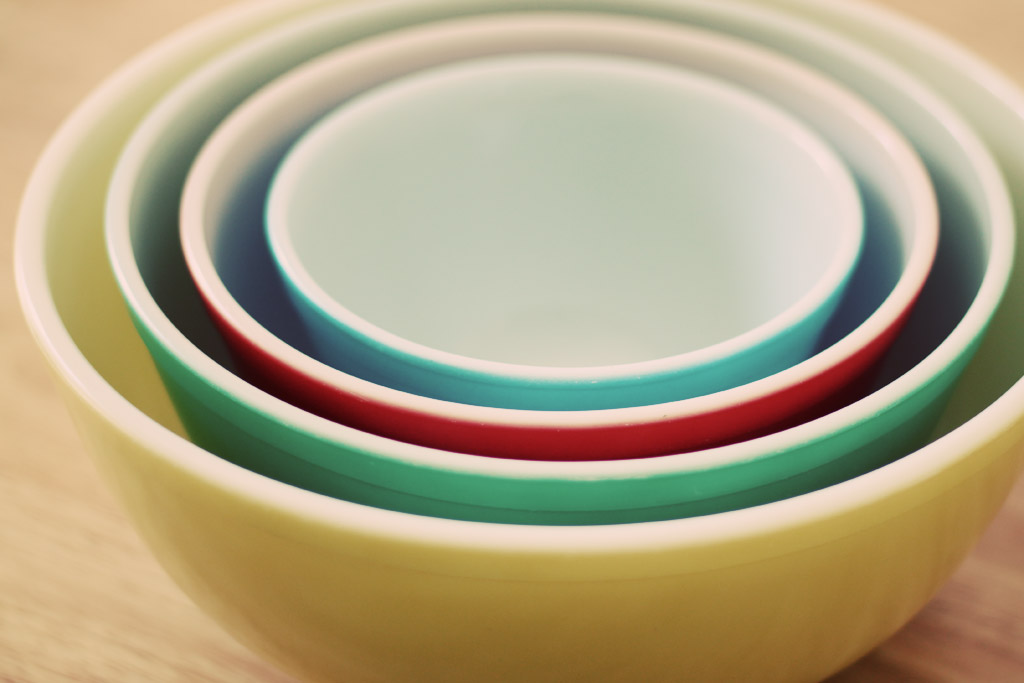
Nesting mixing bowls in a recognizable printed pattern were practically a kitchen requirement, used for everything from mixing pancake batter to serving leftovers covered in foil. Marketplace data for vintage Pyrex shows these bowls remain in high demand today, which is a big part of why so many people specifically remember the exact pattern their own grandmother owned. The bowls got used constantly and rarely broke, which is exactly why so many complete sets survived long enough to become genuinely collectible decades later.
A Cornflower Corningware Casserole Dish
The blue cornflower pattern on white Corningware is one of the most instantly recognizable kitchen designs from the mid-twentieth century, and it seemed to appear in nearly every household for good reason: the dishes could go from the oven straight to the table without cracking, which made them endlessly practical for casseroles and holiday sides. That same durability means a huge number of these dishes survived in daily use for decades, and the pattern remains so recognizable that spotting one at a thrift store or estate sale instantly conjures a specific kind of kitchen memory for an entire generation.
A Ceramic Cookie Jar on the Counter
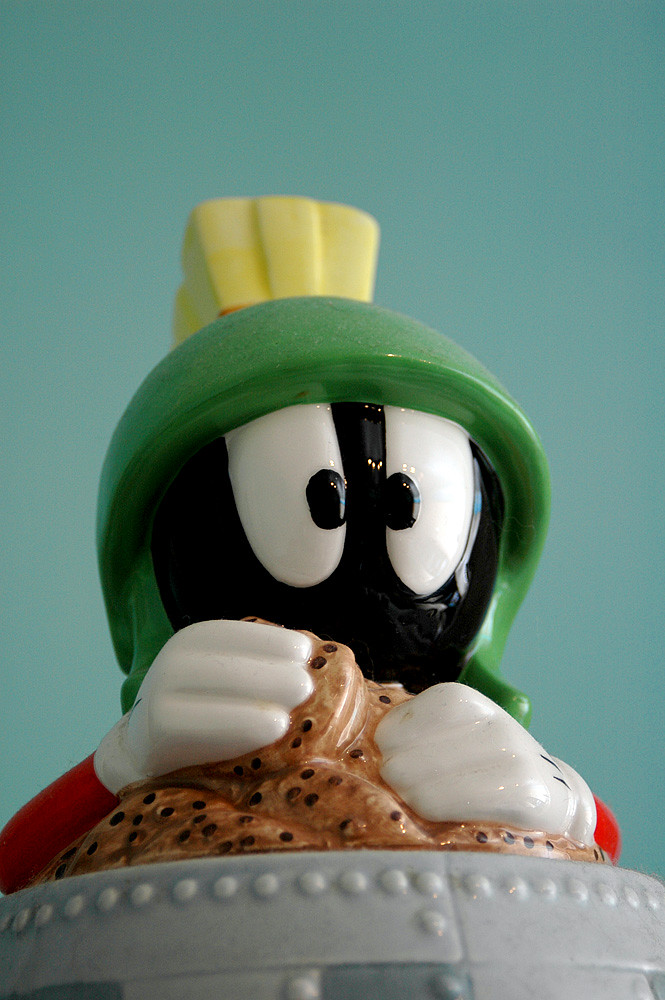
A cookie jar, often shaped like an animal, a chef, or a simple round canister, sat on the counter in a permanent, designated spot, always stocked with something homemade. Pottery valuation resources note the enduring appeal of mid-century cookie jars from established American pottery makers, whose glossy glazes and whimsical shapes have become genuinely collectible decades after they were simply a fixture of daily kitchen life. Lifting the lid to check what was inside is a specific memory that seems to be nearly universal.
A Percolator Coffee Pot
Before drip coffee makers became standard, a stovetop percolator was how coffee got made in most kitchens, complete with the distinctive bubbling sound and the glass knob on top that let you watch the coffee darken as it brewed. The ritual of the percolator perking away on the stove every morning was as much a part of the kitchen’s rhythm as any specific dish, and the sound alone is enough to bring the whole memory rushing back for anyone who grew up around one.
A Drawer or Cabinet Full of Tupperware
Every kitchen seemed to have at least one cabinet dedicated entirely to stacked plastic containers in various colors, most of them missing their matching lids by the time anyone went looking for a specific size. These containers were treated as permanent kitchen fixtures rather than disposable goods, purchased through home sales parties and kept in rotation for decades, which is exactly why the mismatched lid drawer became such a universally shared kitchen experience across so many different households.
A Recipe Box Full of Handwritten Index Cards
A small wooden or metal box filled with handwritten recipe cards, some stained with decades of use, sat within arm’s reach of the stove in nearly every kitchen. These recipes were rarely written down anywhere else, passed along informally from one family member to another, which makes surviving recipe boxes genuinely irreplaceable family records rather than simple collectibles. Flipping through the cards and recognizing a relative’s handwriting is one of the more emotional experiences tied to sorting through an inherited kitchen.
A Wall-Mounted Kitchen Clock
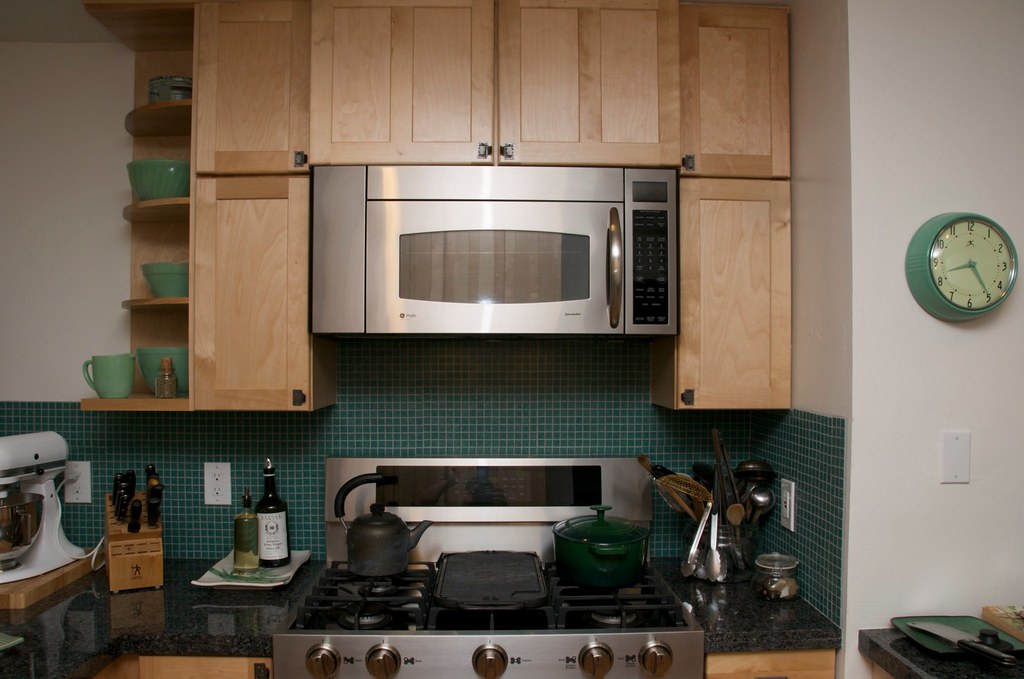
A simple round clock, often with a sunburst frame or a decorative border, hung on the kitchen wall in nearly every home, quietly keeping time through decades of meals and conversations. These clocks were built to be functional rather than decorative, and their steady ticking became such a fixture of the kitchen’s background noise that many people don’t consciously remember the sound until they hear something similar decades later, at which point the entire memory of that specific kitchen comes rushing back at once.
A Matching Canister Set for Flour and Sugar
A set of graduated canisters, usually labeled flour, sugar, coffee, and tea, sat together on the counter or open shelf in a huge number of kitchens, often matching the color scheme of the rest of the room. These sets were both functional and decorative, keeping staple ingredients accessible while adding a coordinated look to the kitchen, and the specific style of canister set someone’s grandmother owned, whether ceramic, tin, or glass, tends to be remembered in vivid detail by anyone who spent time in that kitchen growing up.

Leave a Reply