

There’s an entire category of objects that exist in Boomer homes purely to be looked at: proudly arranged, dusted regularly, and often tied to real memories or genuine financial hope. To Gen Z, encountering these collections for the first time, they often just look like things to pack up.
This isn’t really about taste so much as a different relationship to stuff — what’s worth keeping visible versus what belongs in storage. Here are eight collections that best capture the divide.
1. Franklin Mint and Bradford Exchange Collector Plates
Decorative plates commemorating everything from royal weddings to wildlife scenes were marketed heavily through the 1970s, ’80s, and ’90s as limited-edition collectibles that would appreciate over time, and many households bought entire themed series displayed in special wall-mounted plate racks. As TheStreet has reported, the resale market for these plates has essentially collapsed, with most selling for a small fraction of their original price, if they sell at all. Gen Z tends to see a wall of decorative plates as charming clutter rather than the investment collection it was marketed as.
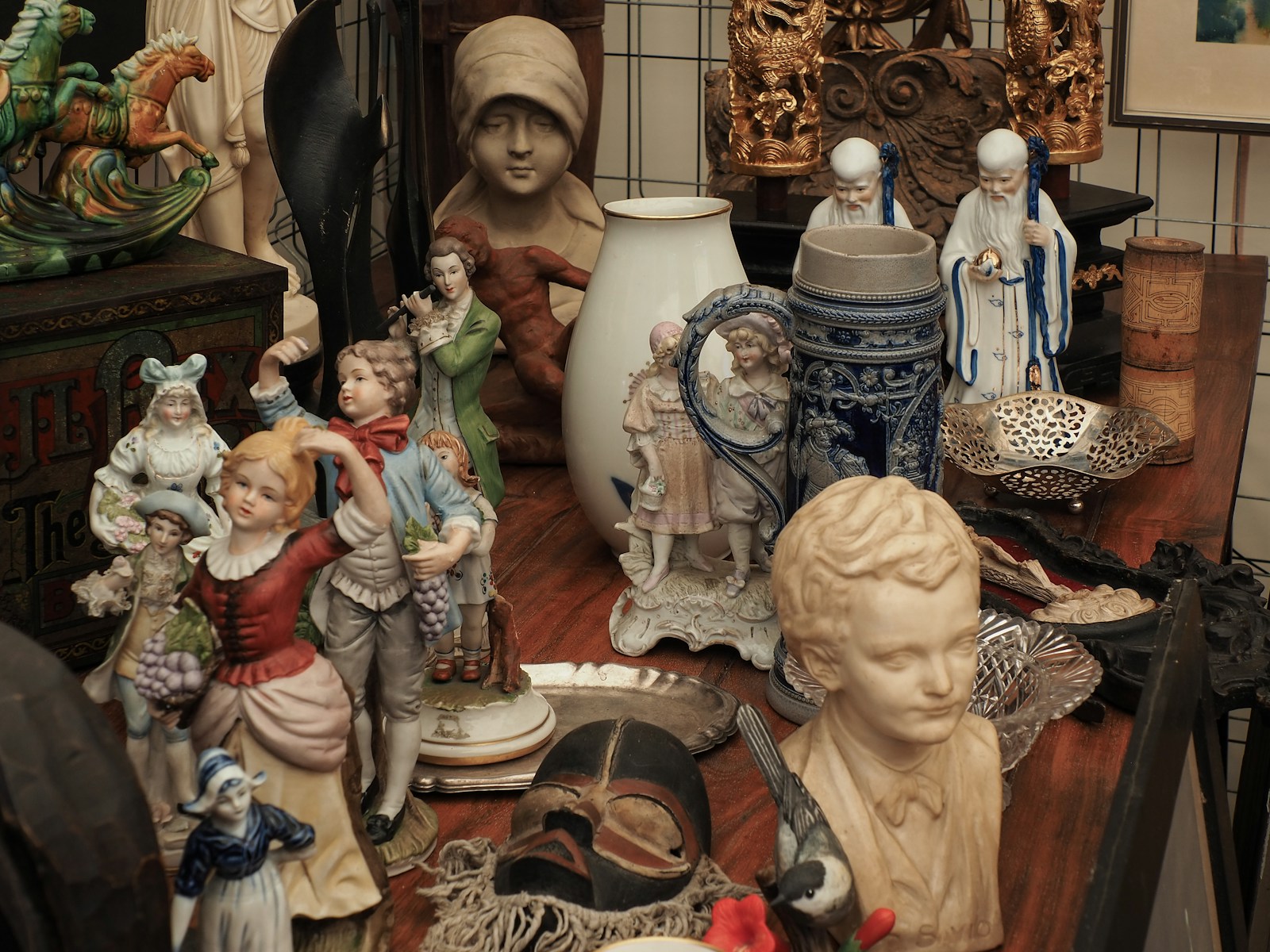
2. Porcelain Figurine Collections
Delicate hand-painted figures — shepherdesses, ballerinas, cherubic children — collected piece by piece over years and displayed together, often in a dedicated cabinet, represented a genuine hobby and a real financial commitment for the people who built the collection. Gen Z, generally less drawn to fragile decorative objects that serve no function, tends to view an entire shelf of figurines as a project for an estate sale rather than something worth keeping on display in a first apartment.
3. Souvenir Spoon Collections
A small rack or display case holding dozens of collectible spoons, each commemorating a different city, national park, or vacation destination, was a genuinely popular travel-memento tradition for much of the 20th century. Each spoon represents a specific trip and memory for the person who collected it. For Gen Z, who tend to document travel through photos and social media rather than physical souvenirs, a spoon collection reads as an interesting artifact of how a previous generation kept travel memories rather than something they’d start collecting themselves.
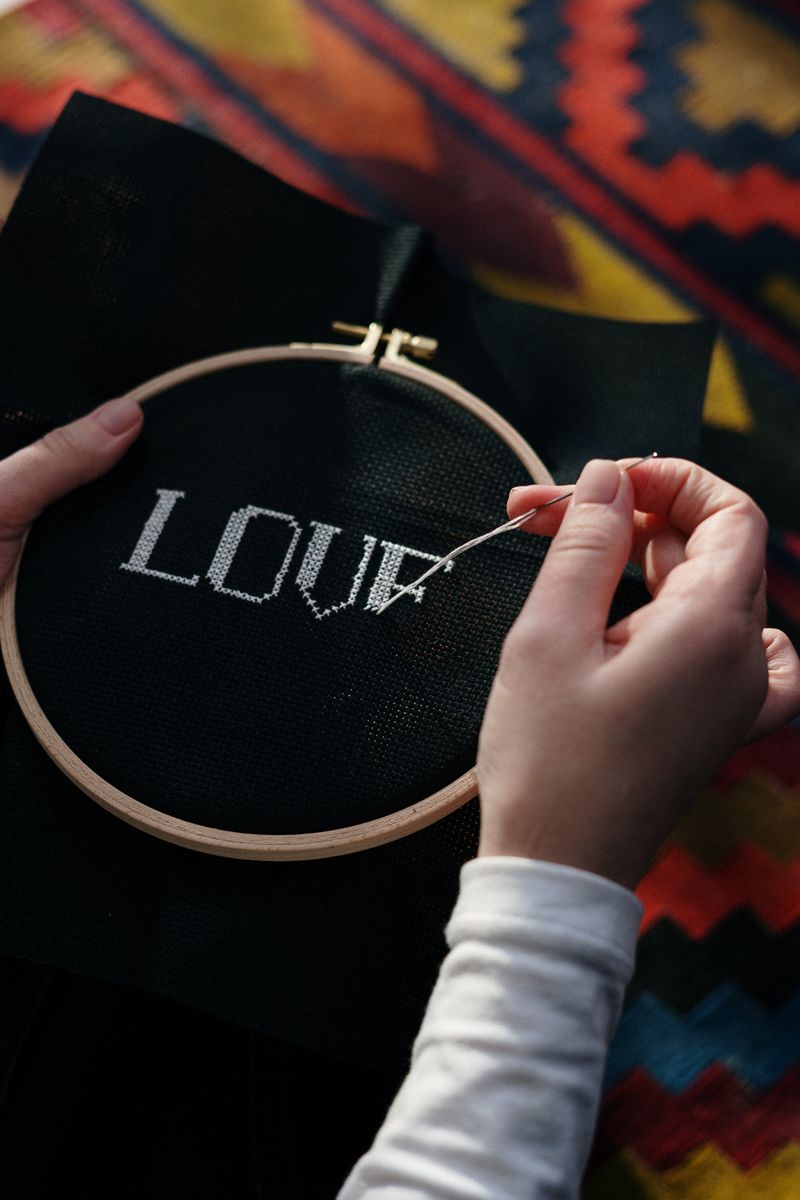
4. Framed Cross-Stitch Sayings
Hand-stitched samplers with inspirational or humorous sayings, framed and hung prominently in a kitchen or hallway, represented real hours of handwork and a specific style of homespun wall decor. They were often gifts, adding sentimental weight beyond the craft itself. Gen Z’s wall-art instincts run toward photography, prints, or minimalist typography rather than dense, busy needlework, which makes cross-stitch sayings feel more like a craft-fair item than a piece meant for permanent display.
5. Department 56-Style Ceramic Christmas Villages
An entire miniature town of lit ceramic buildings, set up each holiday season and sometimes left out year-round, represented years of piece-by-piece collecting and a real seasonal ritual for the household. Setting it up and taking it down was often a whole family event in itself. Gen Z, who tend to favor simpler, more minimal holiday decor, generally sees an elaborate ceramic village as an impressive amount of stuff to store for eleven months of the year for a display that only comes out once.
6. A Thimble Collection in a Wall-Mounted Case
Small ceramic or metal thimbles, each decorated differently and displayed together in a specially designed wall case with individual slots, represented an entire collecting subculture with its own clubs and conventions at its peak. It’s a genuinely niche hobby that made complete sense within its own community. Gen Z, largely unaware this was ever a widespread collecting category, tends to encounter a thimble case and simply have no reference point for what they’re looking at.
7. Souvenir Bells From Every Vacation Destination
Similar in spirit to the spoon collection, a shelf of small decorative bells, each purchased on a different trip and often bearing a location’s name or image, served as a tactile, ring-able record of travel. Gen Z, again more inclined to keep travel memories digitally, tends to see a shelf of bells as sweet in concept but not something they’d personally maintain, especially once the specific memory tied to each individual bell has faded for anyone besides the person who bought it.
8. Framed Commemorative Coins and Stamps
Special-edition coins or stamp sets, often purchased directly from mints or postal services and framed with a certificate of authenticity, were marketed as both patriotic keepsakes and sound investments. Like collector plates, most of these commemorative sets have not held their marketed value particularly well over time. Gen Z tends to view a framed coin set less as a financial asset and more as a specific kind of decor that instantly identifies which decade it was purchased in.

Leave a Reply