

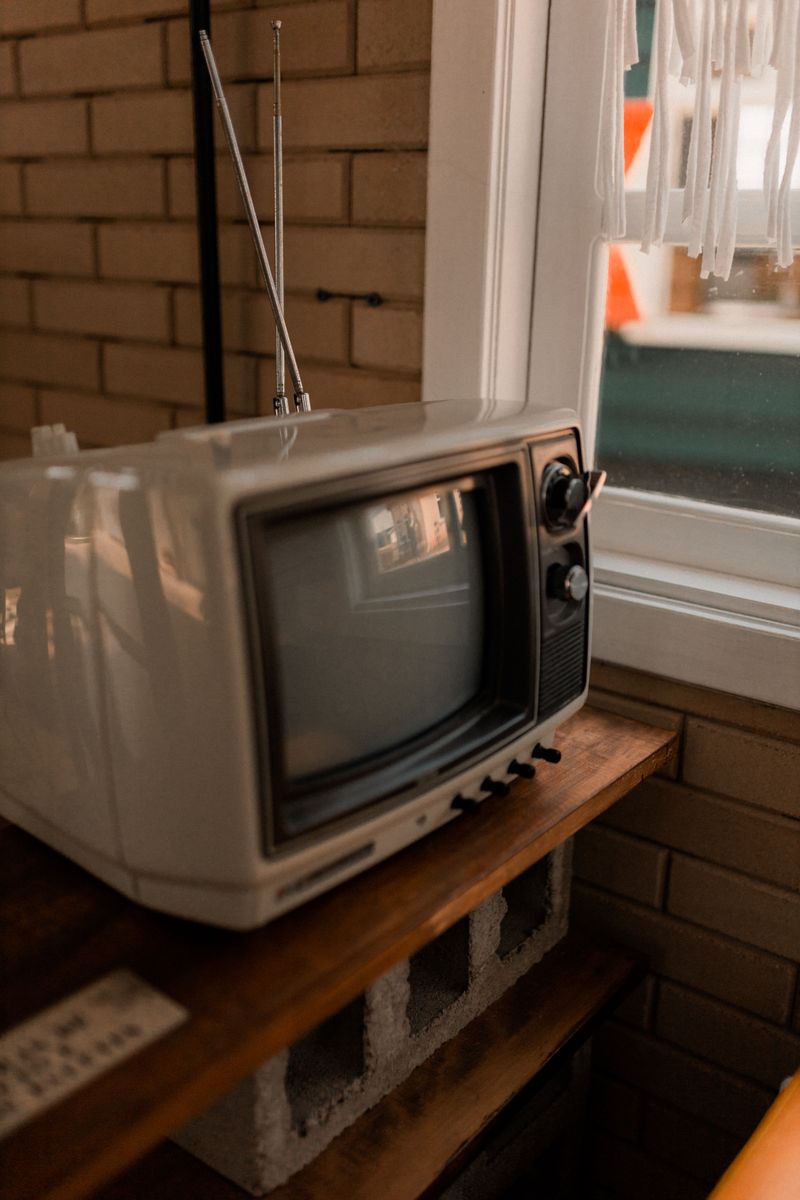
The entertainment center used to be the anchor of the living room, a piece of furniture so large and so specific to one job that entire rooms were arranged around it. It housed the television, the VCR, a tangle of cables, and, somehow, always a few decorative objects that had nothing to do with entertainment at all.
Gen Z, whose living rooms have been reshaped by flat screens and streaming, tends to look at these old units with genuine bewilderment. Here are eight features that just do not compute anymore.
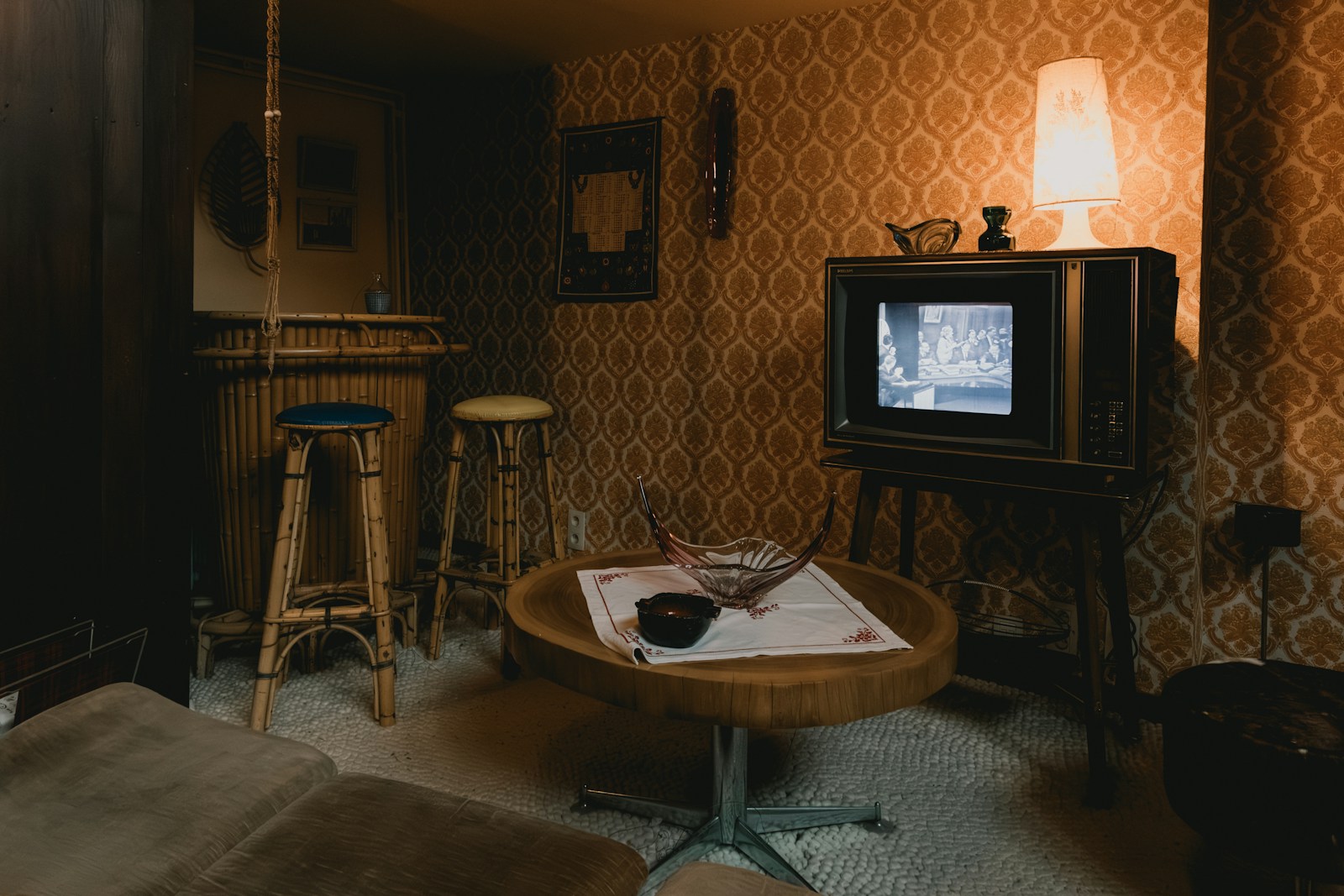
It Was Built Around a Television That No Longer Exists
Old entertainment centers were engineered with a deep, boxy cutout meant specifically for the bulk of a tube television, complete with a sliding or lifting panel to conceal it when not in use. Once flat-screen TVs became standard, that cutout became a strange, oversized cubby that does not fit anything modern. Gen Z, who has never really known a world with tube televisions, finds the whole design premise baffling: an entire piece of furniture built to accommodate the shape of one specific outdated object. Most younger homeowners now favor slim media consoles or simply mount the television directly to the wall, eliminating the need for a dedicated cabinet built around a screen’s obsolete proportions entirely.
A Maze of Visible Cords and Cable Boxes
Behind the doors of a classic entertainment center was usually a genuinely alarming tangle of cords connecting the TV, VCR, cable box, stereo, and sometimes a video game console, none of it labeled and most of it impossible to trace without unplugging everything. Gen Z has grown up in an era of wireless speakers, streaming sticks, and far fewer physical components in general, so the sheer volume of cabling required by the old setup seems almost comically excessive. When cords are unavoidable now, cable management clips and boxes designed specifically to hide wiring have become a small but real product category, reflecting a much lower tolerance for visible tangles behind glass doors.
Glass Doors That Needed Constant Cleaning
Many entertainment centers featured glass or smoked-glass doors meant to protect the equipment inside while still allowing a remote control signal through, which sounded practical until dust and fingerprints made the glass look smudged within days. Gen Z tends to prefer open shelving or simple cabinet doors without glass, since there is generally far less delicate electronic equipment to protect or display in the first place. A streaming device is small enough to tuck away, and a soundbar does not need to be shown off behind glass the way a stereo receiver once did, making the whole glass-door design solution largely unnecessary for how media setups actually work now.
Shelves Meant for a VHS and CD Collection
A sizable chunk of the old entertainment center’s storage was dedicated to shelves and drawers specifically sized for VHS tapes and CD jewel cases, an entire physical media library that took up real square footage in the living room. Gen Z, who mostly streams everything, has no equivalent collection to store, and that dedicated shelving now sits empty or gets repurposed for books, plants, or framed photos in homes that keep the piece at all. Many simply replace the whole unit rather than adapt it, since a cabinet designed around media formats that no longer exist rarely translates well into anything else without some significant rethinking of its actual function.
An Oversized Footprint for a Much Smaller Screen
Because old televisions were deep and heavy, the furniture built to hold them was correspondingly massive, often stretching along an entire wall and standing several feet tall regardless of how big the actual screen was. Flat screens need almost none of that depth. Gen Z living rooms, especially in smaller apartments, tend to favor slim consoles that leave far more visible wall and floor space, making a room feel larger rather than dominated by a single hulking piece of furniture. The old entertainment center’s size made sense for its era, but it reads now as an inefficient use of space for what modern screens actually require.
Decorative Knickknacks Squeezed in Around the TV
Despite being a piece of furniture built for electronics, entertainment centers almost always had a shelf or two commandeered for decorative items that had nothing to do with entertainment: porcelain figurines, a vase, maybe a framed certificate. Gen Z tends to find this mixing of function and display a little chaotic, preferring to keep media equipment and decor visually separated. When decor does appear near a television setup now, it is usually more intentional, like a few carefully chosen books or a single plant, rather than a small crowded collection wedged into whatever space remained after the electronics were accounted for.
A Finish That Has Not Aged Well
Many entertainment centers were built from heavy, dark wood-look laminate or genuine dark wood that matched a very specific decorating era, and that finish has often not aged gracefully, appearing dated next to lighter, more contemporary furniture. Gen Z generally gravitates toward lighter wood tones, matte finishes, or simple painted pieces that read as more current. A dark, ornately detailed entertainment center can feel like the one piece in an otherwise updated room that instantly dates the whole space, which is often reason enough for it to be one of the first things replaced during any broader living room refresh.
It Assumes the TV Is the Room’s Main Event
The old entertainment center design assumes the television deserves to be the visual centerpiece of the living room, built tall and wide enough to draw the eye immediately. Gen Z living room layouts increasingly treat the television as one feature among several, sometimes even mounted in a less central spot in favor of a layout built around conversation or a fireplace instead. This reflects a broader shift in how the living room gets used day to day, with entertaining, working, and simply hanging out competing for priority alongside watching TV, rather than the screen automatically commanding the room’s entire design the way it once did.

Leave a Reply