

If you decorated a home in the 1990s, you may remember the honey oak kitchen, the sponge-painted walls and the little floral border running around the room at eye level. For years those looks were treated as the very definition of dated.
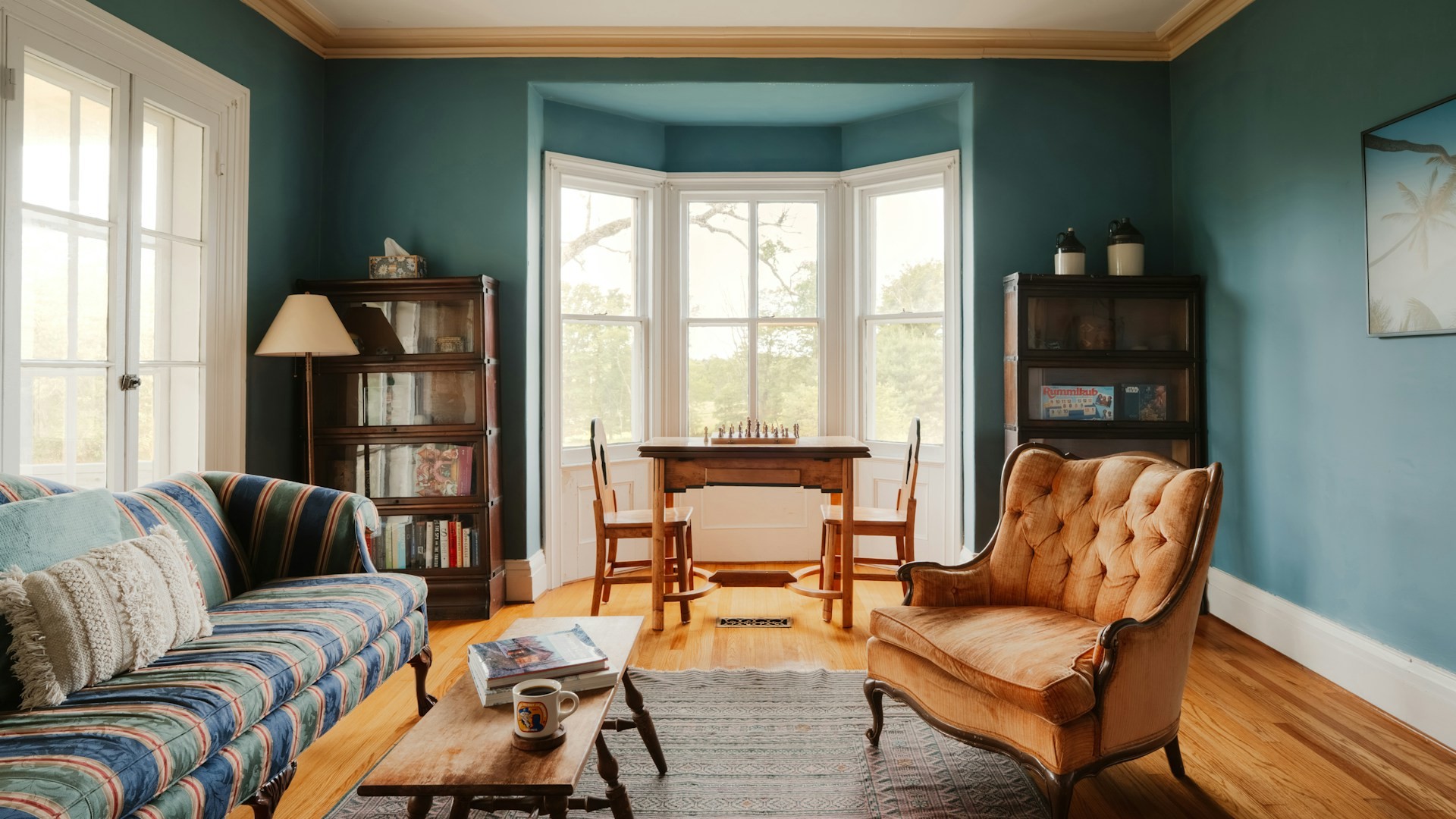
Now designers are writing about them again. Home and design publications, quoting interior designers by name, say a number of 1990s favorites are returning, usually in cleaner, softer forms than the originals.
This list draws on three published pieces: Bob Vila’s article on 90s home trends, House Digest’s 2024 piece on 90s design trends and Homes & Gardens’ report on 1990s interior design trends. Everything below is what those designers say, and they are describing trends, not rules. Eight trends made the cut, and each is attributed to the publication that reported it.
So if your family room still wears a little of the decade, here is what the experts say about each look and why it may be worth keeping, restyling or simply smiling at the next time you walk past.
Glass Block Is Back, Especially In Bathrooms
Dallas designer Courtney Batten of Paige Studio tells Bob Vila that glass block walls are making a comeback, especially in bathrooms. She says “Today’s designs offer tons of different shapes, patterns, and colors to keep it fresh and playful.”
Many readers will recognize the look right away. Newer versions look less bulky and more minimalist, and Batten uses them as an alternative to glass shower doors because they let in light while preserving privacy.
Honey Oak Kitchens Are Returning With New Finishes
Homes & Gardens says honey and golden oak kitchens were typical in the 1990s. Oak is back with newer finishes, including fluting, textured surfaces and inlay.
The magazine adds that designs using sustainably produced or reclaimed wood are especially popular.
Wallpaper Borders Are Back As Accents, Not Wall-To-Wall Coverings
House Digest reports that narrow decorative strips are back, used as accents rather than full-wall coverings. Suggested placements include mantels, door frames and chair rails.
The article says peel-and-stick versions allow low-commitment experiments, which sounds like a gentle way to try the look.
Tiny Laura Ashley-Style Florals Are Cozy Again
House Digest says tiny, busy floral prints evoke the British style of designer Laura Ashley, known for Victorian-inspired textiles. The print contrasts with the larger blooms of the past decade and feels cozy and nature-inspired.
The same piece describes wallpaper matched to curtains and bedding as creating an enveloping, cocooning effect.
Deep Earth Tones Are Replacing Builder Beige
Bob Vila reports that warm, deep shades like maple, honey oak, cherry, terracotta and taupe are replacing builder beige and cool gray. Designer Sarah Walker of Nuance Interior Design Showroom in Bellevue, Washington, says these colors “feel rooted in nineties interiors but are now used in a more nuanced and elevated way.”
Walker describes complex undertones such as olive, ocher, rust and muddy reds and greens with brown or plum. Bob Vila says these hues make a space feel cozier.
Stainless Steel And Chrome Are Making A Comeback
Homes & Gardens says cool metals appeared in 1990s light fixtures, furniture legs, backsplashes and hardware, and that they are back. John and Christine Gachot of GACHOT Studios say they are “delighted that chrome and metallic detailing is coming back.”
For anyone with a chrome faucet or a steel-legged table that has outlasted three paint colors, this is welcome news. Tom Edmonds of Lewis Alderson says “Stainless steel is durable, low-maintenance and extremely hygienic,” and adds that it can suit traditional kitchens too.
Sponge-Painted Walls Return As Softer Textured Finishes
Batten tells Bob Vila that sponge-painted walls from the 1990s are back in a softer form. She says “This time around it’s all about movement and softness but without the heavy texture.”
Bob Vila lists Venetian plaster, grass cloth and limestone as current options, and Batten suggests a subtle limewash in earthy neutrals like beige or sage green.
Curved Furniture Is Replacing Boxy, Straight-Lined Pieces
House Digest says soft, rounded pieces such as curved sofas, arched doorways and rounded tables are replacing the boxy, straight-lined furniture of modern farmhouse style. The article ties the shift to comfort.
Mike Falahee, a home decor expert quoted by Bob Vila, says the style “is seen as more relatable and inviting compared to straight and pointed pieces.” Common choices include kidney-shaped coffee tables, rounded couches and arched shelving.
You do not need to rip anything out. Start small, as the designers suggest: a narrow border on a mantel, a few chrome fixtures, or one wall in a warmer shade.
If your kitchen still has its original oak cabinets, you may be closer to the current look than you think. Designers quoted above say the point is a warmer, more personal home.
Designers in all three articles describe warmer colors, softer shapes and more personality than the beige and gray years that came before. That is a trend many homeowners can enjoy without spending much.
Tastes change, and what looks old this year can look fresh a few years later. If you love something in your home, that is reason enough to keep it.
More Stories You May Like
- Comic Book Grading Mistakes Can Get Costly From Pressing And Cleaning Errors To Fees That Eat Into The Payoff
- Someone Furnishing A House From The Thrift Store Found A Vanity For $75 That Goes For About $300 On Facebook And Then Haggled A Pile Of Decor Down To Thirty Dollars
- Vintage Dealer Says The Best Decorating Advice Is Buy Well And Buy Slowly Because Furniture You Keep Builds The Story Of Your Home

Leave a Reply